Nana Wu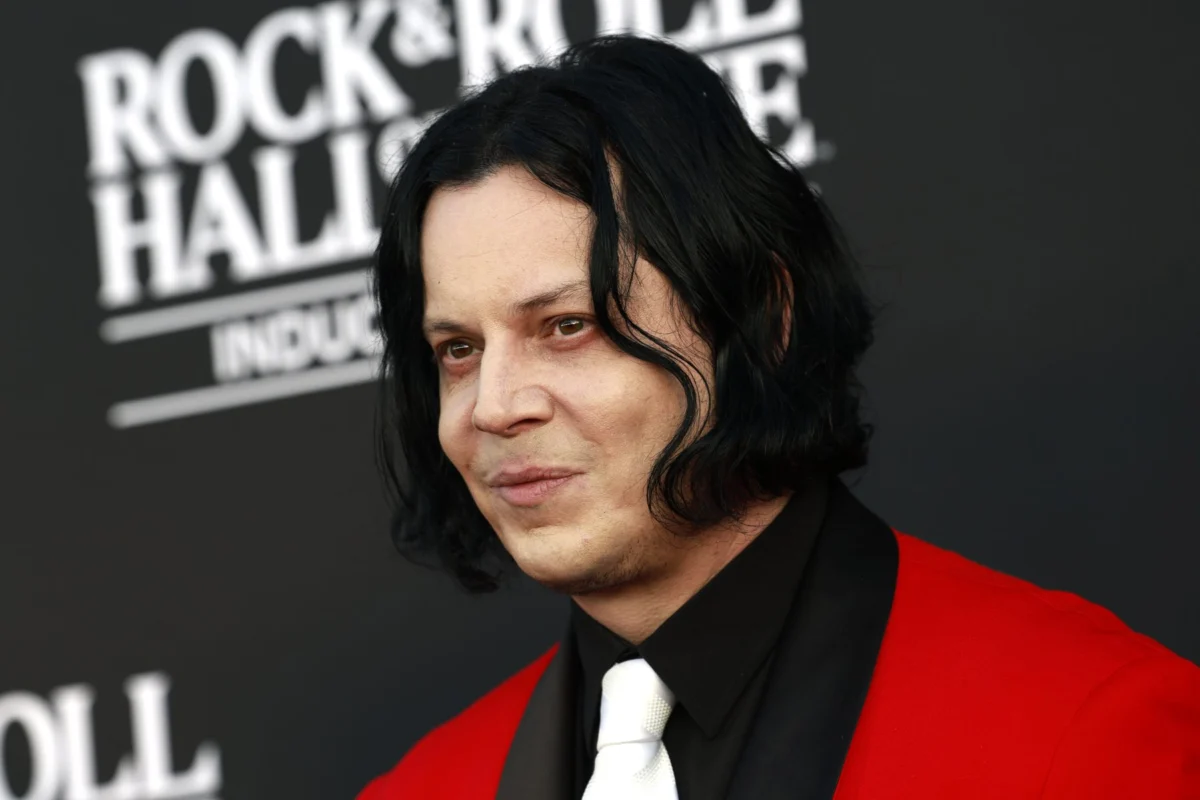
Rocker Jack White has issued a fervent condemnation of what he describes as the "ridiculous" circumstances surrounding the conclusion of Stephen Colbert’s 11-year tenure as host of The Late Show. White’s sharp criticism, delivered via social media, echoes sentiments from a chorus of public figures, including Bruce Springsteen, Senator Elizabeth Warren, and political commentator Robert Reich, all of whom have suggested that the popular late-night program was canceled not due to stated financial reasons, but rather as an act of political retribution by then-President Donald Trump. The show’s final episode aired on Thursday evening, May 21, marking the end of an era for a program that had become a significant platform for political satire and commentary.
White, known for his incisive political views and his prominent role in bands like The White Stripes and The Raconteurs, did not mince words in his online statement. "It is absolutely ridiculous that we live in a country where a President’s ego can vindictively censor network television…..and nobody stops him," he wrote, directly attributing the cancellation to presidential influence. He further lauded Colbert, stating, "America needs to give a standing ovation for this man tonight. God Bless Stephen, it is absolutely ridiculous that we live in a country where a President’s ego can vindictively censor network television…..and nobody stops him." White, a vocal critic of Donald Trump throughout his presidency, continued his praise for Colbert’s resilience and integrity, adding, "Carry on down your new paths with your head held high sir. You’ve told the truth and given us so much to laugh at, and we’re expecting even more in the future. Thank you." This strong endorsement from a figure of White’s cultural stature underscores the depth of concern within the artistic community regarding perceived threats to media independence and free expression.
The End of an Era: Stephen Colbert’s The Late Show
Stephen Colbert’s The Late Show began in September 2015, following the retirement of legendary host David Letterman. Colbert, who rose to prominence with his satirical persona on The Colbert Report, transitioned to a more authentic, albeit still politically charged, late-night style. His tenure was largely defined by the political landscape, particularly the Trump presidency, which began shortly after his show’s launch. Colbert’s monologues and interviews frequently delved into the intricacies of national politics, offering a nightly dose of humor, analysis, and often biting criticism directed at the Trump administration and the MAGA movement. His sharp wit and intellectual approach made him a beloved figure for many progressive viewers, establishing The Late Show as a significant counter-narrative to the prevailing political discourse.
Over the years, Colbert cultivated a reputation for fearlessly challenging power, leveraging his platform to scrutinize governmental actions, policies, and the rhetoric of those in authority. This approach, while lauded by his audience, inevitably drew the ire of the subjects of his satire. The show became a nightly forum where current events were dissected with a blend of humor and earnestness, often inviting guests from across the political spectrum but maintaining a clear editorial stance rooted in democratic principles and a commitment to journalistic integrity, albeit through a comedic lens. The emotional farewell episode featured an all-star cast, including a highly anticipated appearance by Beatles legend Paul McCartney, underscoring the cultural impact Colbert had made during his 11 years at the helm.
Chronology of a Controversial Cancellation
The narrative surrounding The Late Show‘s cancellation is complex, intertwining network economics with allegations of political pressure. While CBS officially cited financial losses as the primary reason for ending the program in late 2025, a closer look at the timeline and related events reveals a pattern that fueled widespread speculation of political interference.
Colbert’s Unwavering Criticism: From the outset of the Trump administration, Stephen Colbert emerged as one of its most consistent and trenchant critics in mainstream media. His monologues often highlighted perceived inconsistencies, ethical breaches, and controversial statements made by President Trump and his allies. These segments frequently went viral, contributing to The Late Show‘s strong viewership among those seeking comedic relief and critical analysis of political events. Colbert’s approach was not merely observational; he actively engaged with the political discourse, often taking a moral stance against what he viewed as threats to democratic norms. This steadfastness positioned him as a prominent voice in the late-night landscape, distinct from hosts who might have adopted a more neutral or less confrontational tone.
President Trump’s Public Retaliation: The former President, known for his vigorous responses to media criticism, frequently targeted Colbert. In late 2025, as the political climate intensified, Trump escalated his attacks through posts on his social media platform, Truth Social. He publicly called on CBS to "put him to sleep," a phrase widely interpreted as a demand for Colbert’s removal. Trump further derided Colbert as a "pathetic trainwreck" and a "dead man walking," statements that many viewed as direct attempts to exert pressure on the network. These public pronouncements were not isolated incidents but rather part of a broader strategy by Trump to delegitimize media outlets and personalities critical of his administration, often accusing them of bias or "fake news." The timing of these intensified attacks, just months before CBS’s reported decision to cancel the show, raised immediate red flags for observers.
The Paramount Merger and Legal Settlement Controversy: A critical element in the argument for political censorship revolves around CBS’s parent company, Paramount Global. In the period leading up to the cancellation decision, Paramount was reportedly on the brink of a significant merger deal, which would have required approval from U.S. authorities. Simultaneously, in late 2025, Paramount reportedly reached a substantial $16 million legal settlement with Donald Trump. This settlement came at a delicate juncture for the company, as federal regulatory scrutiny over major corporate mergers is often intense. Critics, including those within progressive circles, pointed out that Colbert had openly criticized Paramount’s settlement with Trump. The timing of The Late Show‘s cancellation, occurring shortly after Colbert’s public critique of his parent company’s financial dealings with the very figure who had publicly called for his dismissal, fueled intense speculation. Many argued that Paramount, under pressure from potential regulatory hurdles for its merger and facing public antagonism from a powerful political figure, may have made a calculated decision to eliminate a perceived liability in Colbert. This intricate web of corporate interests, political pressure, and editorial independence became the nexus of the censorship claims, suggesting that financial rationales might have been a convenient cover for politically motivated actions.
CBS’s Official Stance and Public Skepticism: CBS maintained that the cancellation was due to "financial losses" incurred by The Late Show. While late-night television can be an expensive endeavor, and ratings fluctuations are common, the suddenness of the decision and its close proximity to the aforementioned political and corporate events led to widespread skepticism. Many progressive commentators and media analysts questioned the transparency of CBS’s explanation, suggesting that while financial considerations might have played a role, they were likely exacerbated or even overridden by other, less publicly palatable motivations. The perceived lack of a robust defense from CBS against the political censorship allegations further solidified doubts among a significant segment of the public.
Reactions from Other Prominent Figures
The outcry following The Late Show‘s cancellation extended far beyond Jack White, involving a diverse group of public figures who voiced similar concerns about media freedom and presidential overreach.

Bruce Springsteen’s Direct Challenge: On the penultimate episode of The Late Show, music icon Bruce Springsteen made a powerful statement in support of Colbert. "I am here tonight to support Stephen, because you’re the first guy in America who lost his show because we’ve got a president who can’t take a joke," Springsteen declared. His remark was a direct and unequivocal accusation of political censorship, delivered on the very stage where Colbert had, for years, satirized the President. Springsteen’s status as a revered cultural figure lent significant weight to this claim, resonating with millions of viewers who shared his concern. His statement highlighted the perceived vulnerability of media personalities to the whims of powerful political figures, particularly when corporate interests might align with the desire to avoid conflict.
Political Voices Weigh In: Figures such as political commentator Robert Reich and Senator Elizabeth Warren were also cited as individuals who insisted that The Late Show was canceled under a cloud of political censorship. While specific quotes from them were not detailed in the original report, their inclusion among those raising concerns indicates a broader apprehension within progressive political circles. For individuals like Reich, a former Secretary of Labor known for his outspoken critiques of corporate power and political influence, the situation likely represented a concerning confluence of business interests and governmental pressure impacting free speech. Senator Warren, a vocal advocate for consumer protection and against corporate consolidation, would predictably view such an alleged scenario as a grave threat to the integrity of independent media and the democratic process. Their inferred positions underscore the bipartisan nature of the concern regarding potential abuses of power and the erosion of journalistic autonomy. The collective voice of these prominent individuals served to amplify the narrative that Colbert’s departure was not merely a business decision but a symptomatic event with wider implications for American democracy.
Broader Implications: Free Speech, Media Independence, and Presidential Influence
The controversial cancellation of The Late Show has ignited a crucial debate about fundamental aspects of American democracy: free speech, media independence, and the extent of presidential influence over private enterprises. This incident, regardless of the official explanation, serves as a significant case study in the ongoing tension between political power and the media’s role as a watchdog.
First Amendment Concerns and the Chilling Effect: At the heart of the controversy are concerns about the First Amendment, which protects freedom of speech and the press. While a president cannot directly "censor" a private network in the traditional sense, the allegations suggest an indirect form of pressure, where public condemnation, coupled with potential regulatory or business leverage, could lead to self-censorship or punitive actions by media corporations. Critics argue that if a popular show can be taken off the air due to a president’s displeasure, it creates a "chilling effect" across the media landscape. This effect could compel other networks, journalists, and entertainers to temper their criticism of powerful figures, fearing similar repercussions. Such an environment could stifle robust political commentary, limiting public discourse and undermining the media’s critical role in a democratic society.
Corporate Pressure Versus Editorial Independence: The alleged connection between Paramount’s potential merger, its legal settlement with Trump, and Colbert’s criticism highlights a growing concern about the tension between corporate financial interests and editorial independence. In an era of media consolidation, large conglomerates own vast swathes of news and entertainment outlets. These corporations often have significant business dealings with the government, whether through regulatory approvals, contracts, or, as in this case, legal settlements. The accusation is that such financial entanglements can create vulnerabilities, making media companies susceptible to pressure from political figures who can influence their business prospects. This raises profound questions about the true autonomy of news and entertainment divisions when their parent companies have multi-billion-dollar corporate interests at stake. The case of The Late Show suggests that the pursuit of profit and corporate stability might, at times, override a commitment to fearless, independent commentary, even if that commentary is delivered through satire.
The Role of Late-Night Television in Political Discourse: Historically, late-night talk shows have evolved beyond mere entertainment to become significant platforms for political satire and criticism. From Johnny Carson’s subtle jabs to Jon Stewart’s incisive commentary, these shows have offered a unique space for public figures to engage with politics through humor. Stephen Colbert’s The Late Show was a prominent continuation of this tradition, providing a nightly forum for dissecting political events and holding power accountable. The cancellation, perceived by many as politically motivated, raises questions about the future of such robust political commentary on mainstream networks. Will other hosts be more cautious? Will audiences increasingly turn to less regulated digital platforms for unvarnished political satire? This incident could mark a turning point, signaling a retreat from direct political confrontation on traditional network television in favor of safer, less controversial content.
Public and Industry Response: The public reaction to the cancellation was largely divided along political lines, mirroring the polarization of the era. Supporters of Colbert and critics of the former President expressed outrage and disappointment, seeing it as a clear attack on free speech. Conversely, supporters of the former President often celebrated the show’s demise, viewing it as a victory against what they perceived as biased media. Within the entertainment industry, there was a palpable sense of unease and solidarity with Colbert. Many industry professionals, while perhaps not publicly condemning the situation, privately voiced concerns about the precedent it might set for artistic and journalistic freedom. The incident served as a stark reminder of the pressures faced by those who dare to challenge powerful political figures, even in the realm of comedy.
The Future of Political Satire on Television
The departure of Stephen Colbert from The Late Show under such contentious circumstances leaves an indelible mark on the landscape of political satire on American television. It forces a critical examination of the vulnerabilities of media institutions in an increasingly politicized and consolidated media environment. While the immediate future of political commentary on mainstream networks remains uncertain, it is plausible that this event will encourage a more cautious approach from some, potentially leading to a subtle shift away from overtly confrontational political humor.
However, the demand for political satire is unlikely to diminish. Instead, audiences and creators may increasingly migrate to alternative platforms – streaming services, podcasts, and independent digital channels – where the pressures of network ownership, advertising revenue, and government relations are less pronounced. This could lead to a more fragmented but potentially more diverse and uninhibited ecosystem for political commentary, albeit one that might lack the broad reach and cultural impact of traditional network television.
The Jack White controversy surrounding The Late Show‘s cancellation serves as a potent reminder of the ongoing struggle to preserve media independence and free expression in the face of powerful political and corporate interests. It underscores the critical importance of a vigilant public and an uncompromised press in upholding the democratic ideals of open discourse and accountability. The questions raised by this event will undoubtedly continue to resonate as the media landscape evolves and as societies grapple with the complex interplay of power, politics, and the fundamental right to speak truth to power.