
 Nana Wu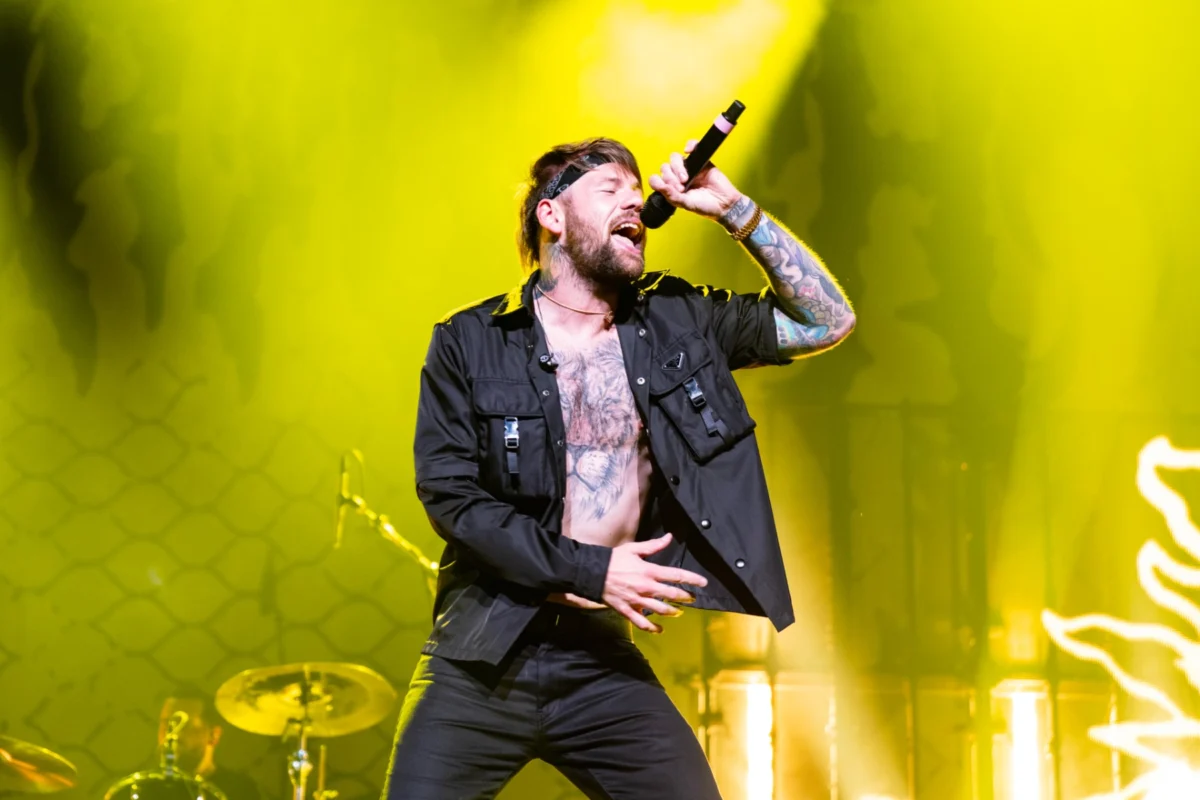
In a deeply personal and candid revelation that sent ripples through the rock and metalcore communities, Caleb Shomo, the charismatic frontman of the acclaimed band Beartooth, publicly announced he is a proudly gay man. The emotional disclosure, made via an Instagram post on Saturday, May 23, provided an unprecedented look into Shomo’s prolonged internal struggles with identity, mental health, and substance abuse, ultimately culminating in a courageous journey towards self-acceptance. This pivotal moment not only marks a significant turning point in Shomo’s personal life but also holds broader implications for representation within the music industry and ongoing conversations surrounding authenticity and well-being.
A Candid Revelation from the Beartooth Frontman
Shomo’s announcement arrived amidst what he described as "a lot of speculation surrounding my personal life as of late," prompting him to "set the record straight before it affects those I love any further." The declaration, "I am a proudly gay man," was delivered with a profound sense of relief and conviction, signaling the culmination of years of private introspection. His post elaborated on the arduous process, stating, "This is something I’ve been unpacking and reckoning with in my life for quite some time now. It’s been difficult to navigate the feelings surrounding the subject and figure out what to do with this fact." For a prominent figure in a genre often associated with traditional masculinity, Shomo’s openness is a powerful testament to evolving societal norms and the increasing demand for authenticity from public figures. The immediate outpouring of support from fans and peers underscored the significance of his words, creating a moment of shared vulnerability and solidarity.
Decades of Internal Struggle and the Path to Sobriety
Central to Shomo’s revelation was the candid admission of his past reliance on alcohol as a coping mechanism. He bravely shared, "I spent a decade burying feelings with alcohol, and honestly, when I decided to put it down and focus on exploring why I felt this way for so long, it’s been a direct path to me reconciling with my sexuality in hopes that it will eventually lead me to experiencing self-love." This statement illuminates a critical intersection between mental health, addiction, and identity. For many, substance abuse can serve as a means to suppress difficult emotions or aspects of one’s identity that feel unaccepted or threatening. Shomo’s journey highlights the therapeutic power of sobriety not just in overcoming addiction, but also in creating the mental clarity and emotional space necessary for deep self-exploration and acceptance.
His past struggles were also intrinsically woven into the fabric of Beartooth’s earlier discography. Shomo reflected, "As you could gather if you’ve followed the band at all in the earlier years, there are four very self-deprecating albums about exploring my religious upbringing, depression, self-hatred, self-loathing, and hopelessness." He expressed gratitude for these albums, acknowledging them as vital expressions of his internal world at the time, yet admitted to feeling "embarrassed at times that I wouldn’t allow myself to really dig up the roots for so long." This retrospective view offers fans a profound new lens through which to interpret Beartooth’s music, recognizing the profound personal anguish that fueled some of their most impactful work. It underscores the notion that art often serves as a conduit for an artist’s deepest truths, even when those truths are not fully understood by the artist themselves at the time of creation.
Beartooth’s Legacy and Lyrical Evolution
Formed in 2012 by Shomo, Beartooth quickly established itself as a formidable force in the rock and metalcore scenes. Shomo, previously known for his work with the electronicore band Attack Attack!, channeled his personal demons and intense energy into Beartooth, creating a sound that resonated with a generation grappling with similar internal conflicts. The band’s aggressive instrumentation, coupled with Shomo’s raw, often guttural vocals and intensely confessional lyrics, set them apart. Their ascent has been marked by significant commercial and critical success, including two No. 1 albums on Billboard’s Top Hard Rock Albums chart: 2018’s Disease and 2023’s The Surface. These albums, alongside their predecessors, became anthems for fans dealing with mental health challenges, offering a sense of solidarity and understanding through Shomo’s unflinching honesty.
The lyrical content of Beartooth’s discography has consistently explored themes of struggle, despair, and the arduous fight for self-worth. Albums like Disgusting (2014), Aggressive (2016), Disease (2018), and Below (2021) often delved into feelings of isolation, anxiety, and the darker aspects of the human psyche. With Shomo’s recent revelation, these past works take on an even deeper layer of meaning. What was once interpreted as general angst or internal conflict can now be understood, in part, as expressions of a profound struggle with his sexual identity, unknowingly manifesting through his art. This retrospective understanding enriches the band’s catalog, demonstrating how personal truth, even when obscured, can find its way into artistic expression, shaping the very core of a band’s identity and connection with its audience.
A Joint Statement: Fleur Shomo Confirms Separation with Unwavering Support
Adding another layer of poignancy to the announcement, Caleb Shomo’s wife, Fleur Shomo, with whom he had been married for nearly 14 years, released her own statement on Instagram. Her post, shared shortly after Caleb’s, confirmed their separation while expressing profound love and unwavering support for her soon-to-be ex-husband. "I will always want to love, protect and support Caleb. I have cared more about his well-being over the years than anything else in the world," Fleur wrote. Her words painted a picture of a relationship built on deep affection and mutual concern, even as their paths diverged due to Caleb’s evolving understanding of himself.
Fleur’s statement further elaborated on the complexities of their journey: "To see the confusion and pain he went through and the highs and lows and wanting to help but now knowing how. You never want anything more for your person than for them to just be ok." This empathetic perspective underscored the challenging nature of Caleb’s internal battle and the impact it had on their shared life. She reflected on their time together with warmth and gratitude: "Our nearly 14 years of marriage was wonderful and full of so much fun, adventure & love. Nobody will know anything about our marriage like we do. And no one can ever truly know what depths of love exist between two people unless they are those people. I already miss it & my husband more than anything. Our story was a good one. And now it is done." This level of maturity, respect, and grace in the face of such a deeply personal and public separation is rare and speaks volumes about the character of both individuals. It serves as a powerful example of how relationships can evolve with dignity, even when profound life changes necessitate new directions.

Pure Ecstasy: An Album Forged in Authenticity
The timing of Shomo’s announcement is particularly significant, preceding the release of Beartooth’s sixth studio album, Pure Ecstasy, scheduled for August 28 through Fearless Records. This album now carries an entirely new weight and meaning, framed by the raw honesty of his personal revelations. Shomo explicitly addressed the album’s context in his post, stating, "One thing I decided before I wrote a single note or lyric of the upcoming album is that whatever happens, I will express myself wholeheartedly and fully. Wherever it takes me I will follow and I refuse to water any part of it down, from the music, to the lyrical content, and way I portray myself. I will only do what makes me happy at the deepest level and what is the most honest depiction of who I am."
This declaration serves as a powerful artistic manifesto. For an artist whose work has always been intensely personal, the commitment to "wholeheartedly and fully" express his true self suggests Pure Ecstasy will be Beartooth’s most authentic and perhaps most vulnerable album to date. Fans can anticipate lyrics that delve even deeper into themes of identity, self-love, and the pursuit of genuine happiness, potentially exploring the nuances of his journey as a newly out gay man. The album’s title itself, Pure Ecstasy, juxtaposed with his previous works often steeped in despair, hints at a profound shift towards liberation and joy. This forthcoming release is poised to be not just another album in Beartooth’s catalog, but a landmark work symbolizing Caleb Shomo’s personal and artistic rebirth, making it one of the most anticipated releases in the genre.
Broader Implications for LGBTQ+ Representation in Rock and Metal
Caleb Shomo’s coming out is a significant moment for LGBTQ+ representation, particularly within the rock and metal genres. Historically, these scenes have often been perceived as less overtly inclusive than other musical landscapes, though this perception has been steadily challenged by a growing number of openly queer artists. Shomo, as the frontman of a band with two No. 1 Hard Rock Albums, occupies a prominent position, and his visibility can serve as a powerful beacon for countless fans and aspiring musicians who may be struggling with their own identities in similar environments. His story challenges outdated notions of masculinity often associated with heavy music, demonstrating that strength, vulnerability, and diverse sexual identities can coexist powerfully within the genre.
The presence of openly LGBTQ+ artists like Shomo helps to normalize and validate diverse experiences, fostering a more inclusive and welcoming community. Research consistently shows that visible role models can have a profound positive impact on the mental health and well-being of LGBTQ+ youth, reducing feelings of isolation and increasing self-esteem. Shomo’s announcement contributes to a vital cultural shift, promoting acceptance and dismantling stereotypes within a subculture that has, at times, faced criticism for its lack of diversity. This step can inspire other artists to live authentically and encourage venues, festivals, and labels to further champion inclusivity, ultimately enriching the entire musical ecosystem with a wider range of voices and perspectives.
Mental Health, Addiction, and the Power of Self-Love
Beyond the realm of sexual identity, Shomo’s narrative offers a compelling case study on the interconnectedness of mental health, addiction, and self-discovery. His admission of using alcohol to "bury feelings" for a decade resonates with countless individuals worldwide who grapple with substance abuse as a coping mechanism for underlying emotional pain or identity struggles. Statistics from organizations like the Substance Abuse and Mental Health Services Administration (SAMHSA) consistently highlight the higher rates of mental health conditions and substance use disorders among LGBTQ+ individuals, often linked to societal stigma, discrimination, and the stress of concealing one’s true self.
Shomo’s journey from sobriety to reconciling with his sexuality underscores a vital message: genuine self-love and acceptance are often prerequisite for sustained mental well-being and recovery from addiction. By addressing the root causes of his discomfort, rather than merely the symptoms, he embarked on a path of holistic healing. His public sharing of this deeply personal process serves as an invaluable act of advocacy, destigmatizing conversations around mental health and addiction within the music community and beyond. It reminds us that vulnerability is a profound strength, and that true artistic expression often emerges from the courage to confront one’s deepest truths. This narrative powerfully champions the idea that the journey to self-love, while arduous, is ultimately the most rewarding path, leading to a life lived with integrity and profound authenticity.
The Future: A New Chapter for Caleb Shomo and Beartooth
Caleb Shomo’s announcement marks the beginning of a new, undoubtedly transformative, chapter for both himself and Beartooth. His commitment to "express myself wholeheartedly and fully" ensures that the band’s future output will be imbued with an even greater sense of honesty and emotional depth. This authenticity is likely to further solidify Beartooth’s connection with their dedicated fanbase, many of whom have found solace and understanding in Shomo’s previous struggles. The upcoming Pure Ecstasy album, viewed through this new lens, is anticipated to be a powerful artistic statement, reflecting a journey from internal conflict to liberation.
As Shomo steps into this new phase of his life and career, the support from his record label, Fearless Records, and his bandmates will be crucial. The music industry has increasingly recognized the importance of supporting artists’ mental health and personal journeys, and Beartooth’s team is expected to rally behind Shomo. His brave act of coming out will undoubtedly open doors for new conversations, collaborations, and opportunities, further expanding his influence as both a musician and a role model. Ultimately, Caleb Shomo’s story is a testament to the enduring power of truth, the healing potential of art, and the unwavering pursuit of self-love, promising a vibrant and authentic future for one of rock’s most compelling voices.