Aveline Kirana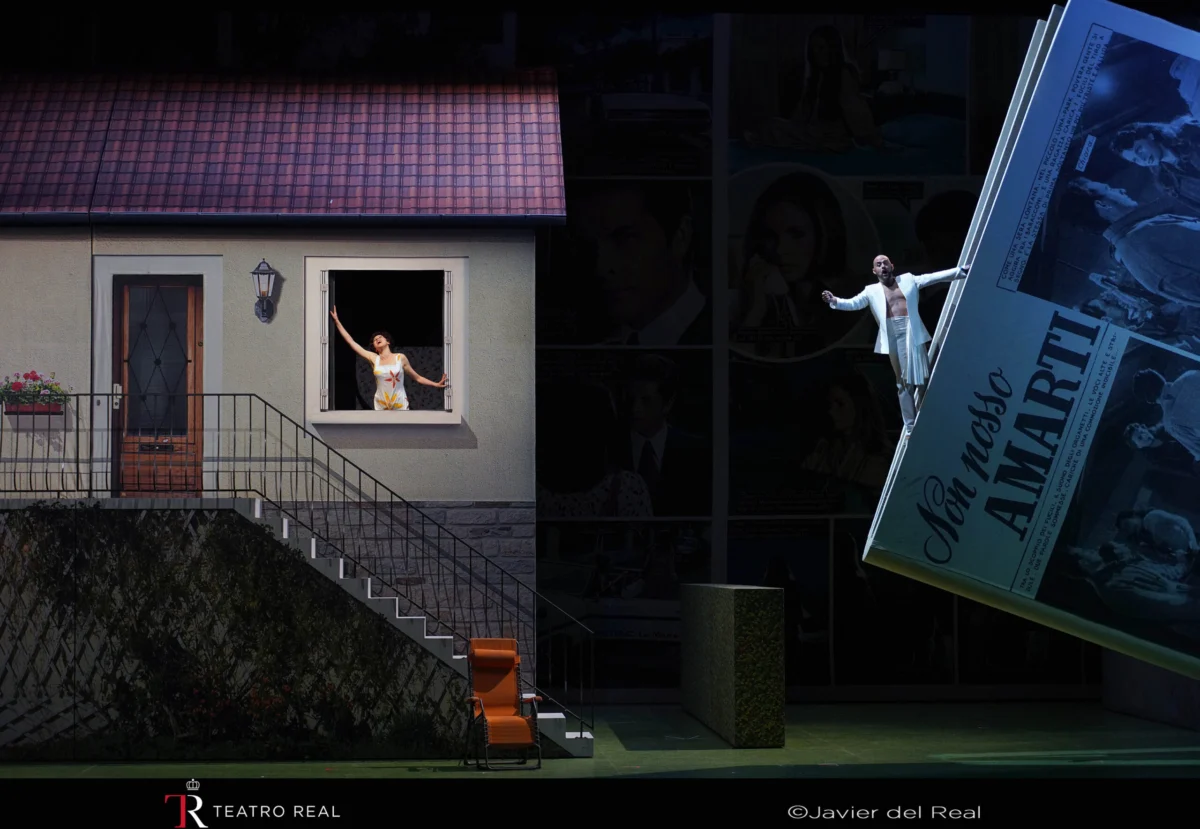
The New National Theatre Tokyo (NNTT) has officially unveiled the centerpiece for the opening of its 2026-27 season: a highly anticipated, brand-new production of Gioachino Rossini’s comedic masterpiece, Il Turco in Italia. The production, which serves as a high-profile international collaboration between the NNTT, Teatro Real Madrid, and Opéra National de Lyon, is scheduled to premiere on October 2, 2026, with a performance run extending through October 12, 2026. Directed by the visionary French stage director Laurent Pelly, the staging promises to bring a contemporary and frenetic energy to one of Rossini’s most complex buffa works.
A Proven International Collaboration
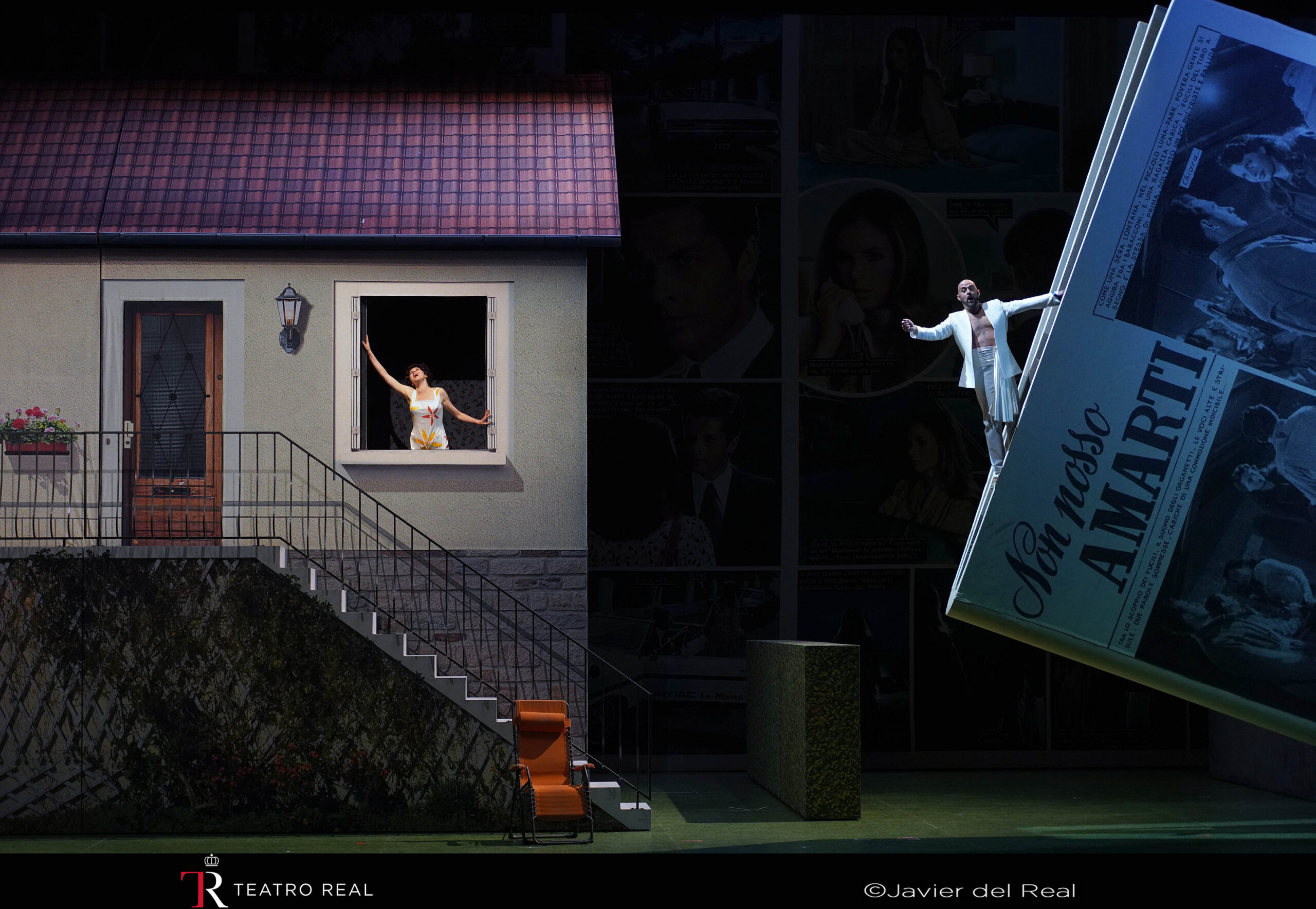
The decision to bring this specific production to Tokyo follows its critical success in Europe. The staging, first conceptualized for the Teatro Real in Madrid during the 2022-23 season, earned acclaim for its sharp wit and Pelly’s signature ability to balance physical comedy with the underlying psychological depth of Rossini’s libretto. By utilizing the existing production design, the NNTT continues its long-standing strategy of fostering international partnerships, which allows for the exchange of high-level artistic visions while maintaining production efficiency.
Christian Räth, an established name in the opera world, has been tapped to serve as the revival director, ensuring that the nuances of Pelly’s original vision are preserved while being tailored to the acoustics and stage dimensions of the NNTT’s main house. The collaboration underscores the global nature of contemporary opera, where a singular artistic concept can travel across continents, resonating with diverse audiences in Madrid, Lyon, and now, the heart of Japan.
The Musical and Theatrical Ensemble
The success of any Rossini opera rests heavily on the chemistry of its ensemble and the precision of its pit. For this engagement, the NNTT has assembled an international cast of vocalists who are well-versed in the demands of the bel canto repertoire. Soprano Claudia Muschio will take on the role of the capricious and flirtatious Fiorilla. Her performance is expected to be a focal point, as the character requires a delicate balance of vocal agility and comedic timing.
She is joined by Alejandro Baliñas Vieites, who will inhabit the role of the titular Turk, Selim. His portrayal is expected to anchor the work’s central conflict. Paolo Bordogna, a veteran of the buffa style, will portray the long-suffering Geronio, providing the essential comedic foil to the proceedings. The supporting cast, featuring Ruzil Gatin, Bruno Taddia, Yuka Tajima, and Yasuhiro Yamamoto, has been selected to ensure the intricate, rapid-fire ensemble numbers that characterize Rossini’s score are executed with the necessary rhythmic precision.
In the orchestra pit, the NNTT has invited Alessandro Bonato to conduct the Tokyo Philharmonic Orchestra. This will mark a significant milestone in Bonato’s career as he makes his official debut at the New National Theatre Tokyo. His engagement with the Tokyo Philharmonic, coupled with the collaboration of the New National Theatre Chorus, signals the institution’s commitment to fostering new conducting talent while maintaining the high musical standards that audiences have come to expect from the venue.
Historical Context and Artistic Evolution
Rossini’s Il Turco in Italia, which premiered in 1814 at La Scala in Milan, occupies a unique space in the composer’s body of work. Unlike his more famous L’Italiana in Algeri, this work explores the darker, more cynical side of human relationships through the lens of a poet seeking inspiration for his next play. The plot centers on a poet who manipulates the lives of his acquaintances to create a theatrical narrative, a meta-theatrical device that Laurent Pelly’s direction typically explores with great relish.
By choosing this piece to open the 2026-27 season, the NNTT is signaling a pivot toward works that require both intellectual engagement and lighthearted entertainment. The opera, while humorous, requires a sophisticated directorial hand to prevent it from descending into farce. Pelly’s approach, noted for its "frenzy" and visual inventiveness, is expected to breathe new life into the 19th-century score, making it accessible to modern audiences without sacrificing the stylistic requirements of the period.
Production Timeline and Preparations
The logistical preparation for a production of this scale is extensive. The coordination between three major international houses—the NNTT, Teatro Real, and Opéra National de Lyon—requires years of planning, from the transportation of elaborate sets and costumes to the synchronization of rehearsal schedules.
The timeline for the 2026 season is as follows:
- Early 2026: Finalization of casting and initial musical preparations with lead artists.
- August 2026: Arrival of technical staff and production assets from Europe.
- September 2026: Commencement of intensive stage rehearsals at the NNTT facility.
- October 2, 2026: Official Premiere of Il Turco in Italia.
- October 12, 2026: Final performance of the Tokyo run.
This tight scheduling reflects the professional standards of modern opera houses, where rehearsal time is condensed to maximize the efficiency of highly trained performers who often have multiple international commitments.
Economic and Cultural Implications
The decision to host such a high-caliber production has implications for the Tokyo cultural sector. As Japan continues to be one of the most vibrant markets for classical music globally, the NNTT acts as a vital bridge between Western operatic traditions and Asian audiences. The investment in a co-production of this nature allows the theater to offer world-class artistic experiences that might otherwise be cost-prohibitive if designed from scratch.
Furthermore, the introduction of emerging conductors like Alessandro Bonato to the Japanese audience strengthens the cultural ties between the European and Japanese operatic scenes. This cross-pollination is essential for the continued evolution of the art form. By prioritizing works that are both visually and musically complex, the NNTT is ensuring its relevance in a competitive global market, attracting not only long-time opera enthusiasts but also younger demographics drawn to the visual spectacle of Pelly’s work.
Analysis of the Pelly Directorial Style
Laurent Pelly is widely recognized for his "theatre of the absurd" approach to opera. In previous productions, he has utilized minimalism, exaggerated costumes, and kinetic staging to highlight the absurdity of human behavior. In Il Turco in Italia, this style is particularly effective. Because the opera deals with the art of storytelling itself, Pelly often employs visual metaphors that break the "fourth wall," forcing the audience to consider the nature of performance.
The 2022-23 review by OperaWire described the Madrid production as a "funny, amusing and frenzy production," a testament to Pelly’s ability to sustain high energy throughout a long performance. For the Tokyo audience, this will likely translate into a high-octane theatrical experience where the choreography of the chorus and the physical comedy of the leads are as important as the vocal lines. This focus on "total theater" is a hallmark of the NNTT’s current artistic direction, which seeks to modernize the presentation of the canon without stripping away its historical integrity.
Institutional Outlook
The New National Theatre Tokyo remains the premier venue for opera in Japan. Its programming for the 2026-27 season, headlined by this Rossini production, demonstrates a commitment to balancing the "greatest hits" of the operatic repertoire with a contemporary flair. By selecting Il Turco in Italia, the NNTT is choosing a work that serves as both a gateway for new listeners and a challenge for the seasoned opera-goer.
The reliance on international co-productions like this one also highlights the sustainable model the NNTT has adopted. In an era where production costs are rising, the ability to share the financial burden with partners in Madrid and Lyon allows the institution to allocate more resources to the quality of the performers and the rehearsal process. This ensures that the final product presented on the Tokyo stage is of the highest possible standard.
As the industry looks toward the 2026-27 season, the NNTT’s commitment to this production reflects a broader trend of internationalization in the arts. By bringing together a French director, an Italian opera, an international cast, and a Japanese orchestra, the NNTT is fostering a truly global cultural exchange. The opening night on October 2 is expected to draw significant attention from both local and international media, setting a high bar for the remainder of the season.
Final Thoughts on the Upcoming Season
The announcement of Il Turco in Italia as the season opener is a clear indication that the New National Theatre Tokyo intends to maintain its momentum as a leader in the Asian performing arts landscape. With a blend of proven directorial excellence, a strong vocal cast, and a commitment to high-level artistic collaboration, the NNTT is well-positioned to deliver a production that honors the spirit of Rossini while providing a modern, dynamic experience for contemporary audiences.
The synergy between the creative team, the administration at NNTT, and the contributing international houses will be the defining factor in the success of this production. As the date approaches, the anticipation surrounding the debut of Alessandro Bonato and the return of Laurent Pelly’s vision to the international stage is expected to grow, cementing this event as one of the most significant operatic highlights of the 2026 calendar year. For those in the arts community, this collaboration serves as a reminder that even after two centuries, the works of Rossini retain the power to surprise, delight, and provoke, provided they are treated with the intellectual rigor and creative imagination displayed by this ensemble.