Mia Khoirunisa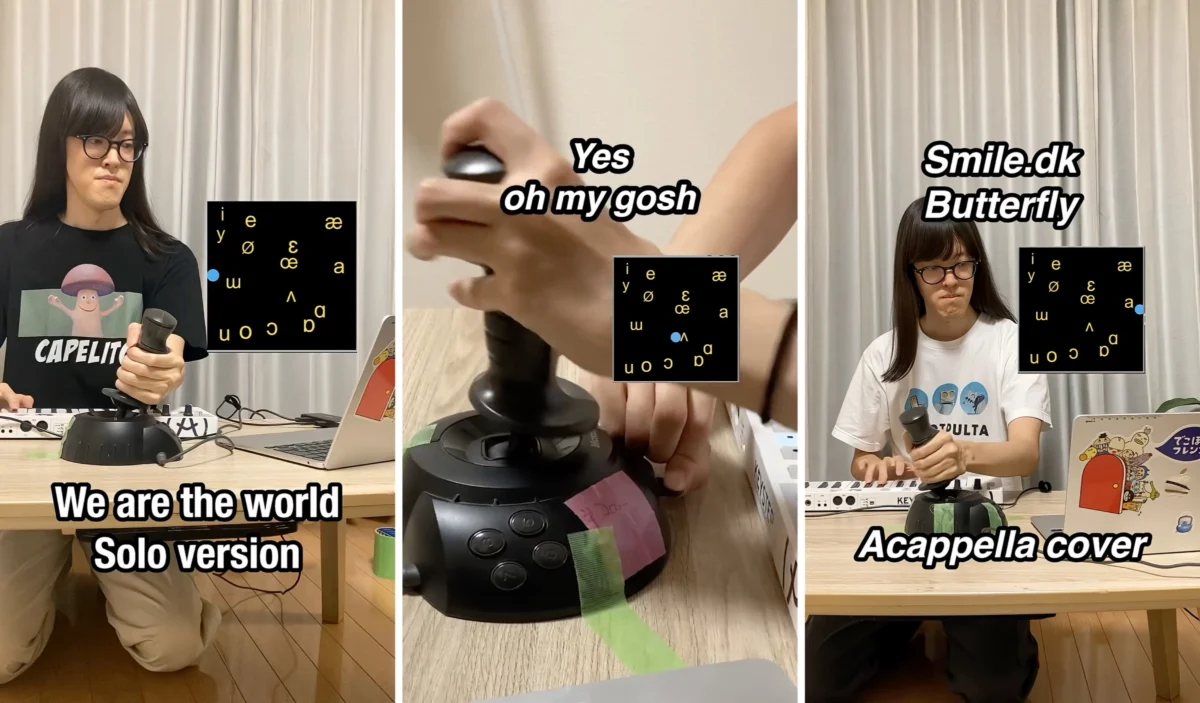
The digital music landscape is continually evolving, with artists pushing the boundaries of creative expression and technological integration. Among these innovators is Piaman, a figure recognized as half of the duo RYOKO2000, and formerly known as Pianoid. Piaman is currently undertaking a remarkable personal transformation, aiming to become a "human Vocaloid" by integrating joysticks and advanced motor control into his performance. This initiative, which has manifested in a series of compelling online content, represents a significant exploration into alternative performance paradigms and the future of interactive music creation.
The Genesis of a Human Vocaloid: A Multimodal Artistic Evolution
Piaman’s artistic journey, as indicated by his previous moniker Pianoid with the intriguing biographical note "doesn’t play piano at all," suggests a deliberate departure from traditional musical disciplines. This deliberate irony hints at a conceptual approach to music that prioritizes innovation and reinterpretation over conventional mastery. His current endeavor to embody a "human Vocaloid" signifies a profound interest in the intersection of human agency and synthesized vocalization, a space traditionally dominated by virtual avatars and pre-programmed performances.
The concept of a "human Vocaloid" can be understood as an attempt to bridge the gap between the synthetic precision of Vocaloid software and the dynamic, improvisational nature of human performance. Vocaloid technology, developed by Yamaha Corporation, allows users to synthesize singing by typing in lyrics and melody. While it has revolutionized music production, particularly in East Asian pop culture, it has largely remained a tool for creating virtual artists. Piaman’s approach seeks to imbue this technology with a tangible, human presence, leveraging physical input devices to drive and modulate synthesized vocal output in real-time.
A Curated Showcase of Sonic and Visual Innovation
The core of Piaman’s recent output lies in a series of YouTube videos that demonstrate this unique artistic direction. The selected pieces, while seemingly disparate, coalesce to form a cohesive narrative of his evolving performance style.
Reimagining Classics: "We Are the World" Solo Cover
One of the most striking examples is Piaman’s solo cover of USA for Africa’s iconic charity single, "We Are the World." This rendition is not a traditional vocal cover but rather a complex instrumental and vocal synthesis performance. The accompanying video, embedded with the title "We Are the World solo cover #wearetheworld," showcases Piaman manipulating a joystick-like interface. The audio output is a layered tapestry of synthesized vocals, meticulously crafted to replicate the original song’s harmonies and lead lines. The visual representation, while not explicitly detailing the software used, strongly suggests custom-built programs that translate joystick movements into intricate musical data. This performance highlights Piaman’s technical prowess and his ability to deconstruct and reassemble familiar musical structures through an unconventional lens. The implications of such a performance extend to the realm of accessibility in music creation, potentially opening doors for individuals with physical limitations to engage in complex musical expression.
The Ubiquitous "Butterfly": A Dance of Digital Synthesis
Another key piece in this showcase is Piaman’s acapella cover of Smile.dk’s "Butterfly." This track, known for its infectious melody and association with the early 2000s Eurodance scene, is transformed through Piaman’s distinctive approach. The video, titled "Smile.dk – Butterfly (Acappella cover)," demonstrates his capacity to manipulate vocal synthesis to achieve a surprisingly rich and layered acapella sound. The choice of this particular song, a cultural touchstone for many, allows for a direct comparison between the original and Piaman’s synthesized interpretation, revealing the depth of his sonic manipulation. This performance underscores the versatility of Vocaloid technology when guided by an innovative artist, capable of reinterpreting even highly recognizable pop anthems.
Embracing Electronic Avant-Garde: Skrillex’s "Scary Monsters and Nice Sprites"
Completing this initial trio of performances is an acapella cover of Skrillex’s "Scary Monsters and Nice Sprites." This choice signifies Piaman’s engagement with contemporary electronic music and his willingness to tackle genre-bending compositions. The video, "Skrillex – Scary Monsters and Nice Sprites (Acappella cover)," presents a stark contrast to the pop sensibilities of "Butterfly" and "We Are the World." Here, Piaman’s synthesized vocals are employed to dissect the intricate sound design of Skrillex’s dubstep anthem, highlighting the rhythmic and textural elements that define the original track. This performance demonstrates the adaptability of his "human Vocaloid" concept, proving its applicability across a wide spectrum of musical genres. The successful rendition of such a complex electronic piece suggests that Piaman’s approach is not merely a novelty but a sophisticated method of musical deconstruction and reconstruction.
The artist himself acknowledges the enigmatic nature of his creation process, stating, "I’m not exactly sure how many times I have watched these, but it is more than was strictly necessary. What’s going on here? I don’t know… (custom software, I think, but there are no details). It doesn’t matter. (Yeah, even me saying that.) It’s brilliant." This candid admission, while lighthearted, underscores the experimental and perhaps even intuitive nature of his work. The lack of detailed technical exposition only adds to the mystique, emphasizing the artistic outcome over the precise mechanics.
Expanding the Artistic Universe: Merchandise and Previous Releases
Piaman’s artistic output extends beyond these core performance pieces. He has launched a merchandise store, accessible via https://ppmax.theshop.jp, featuring "puffy stickers" and a "cute Web t-shirt." This merchandise appears to celebrate the updated RYOKO2000 website and serves as a tangible extension of his digital presence. The availability of physical merchandise allows fans to connect with his art on a more personal level, bridging the gap between the ephemeral nature of digital content and the tangible world.
Furthermore, Piaman’s previous musical releases offer valuable context for his current artistic direction. His 2023 debut EP, titled "Friends," is described as a collection of "stripped down friendly loops of happiness, a cel-shaded sonic wonderland that taps into the endorphin center of your brain." The EP’s stated message, "multimedia is your friend," encapsulates a philosophy of embracing diverse digital mediums and their potential for connection and joy. This release positioned Piaman as an artist dedicated to rekindling a love for the digital realm, drawing parallels to "following water back to its source" – a metaphor for returning to fundamental, enjoyable experiences.
Audiovisual Exploration and Live Performance Archives
Beyond his EP, Piaman has also produced a series of equally engaging audiovisual mixes. These mixes are characterized by their eclectic visual elements, which have been described as involving "a mystical bento box? Birds with semaphore flags; birds pooping? Dunno!" The visual component of his work is as experimental and engaging as the audio, creating a holistic sensory experience. One such mix, titled "P Are The World ~Clean Mix~ (Piaman Audio Visual Live Set Archive)," exemplifies this fusion. The title itself is a playful nod to his "We Are the World" performance, suggesting a consistent thematic thread in his work.
A significant archival release dates back to 2020, a live DJ mix for "MUSIC UNITY 2020." This set is categorized by the original author as "hyperactive gabber rave drum ‘n bass whimsy pop." The description further notes a "track selection that I literally laughed out loud at (but you know, in a good way!)." This classification highlights Piaman’s ability to curate and perform music that is both technically complex and emotionally resonant, eliciting a visceral, positive reaction from the audience. Such live sets offer a glimpse into his DJing capabilities and his skill in seamlessly blending disparate musical elements into a cohesive and exhilarating experience. The classification of "whimsy pop" within a rave context suggests a unique ability to inject playful, unexpected elements into high-energy electronic music, a hallmark of his experimental approach.
Implications and Future Trajectory
Piaman’s evolution into a "human Vocaloid" is more than just an artistic experiment; it represents a potential paradigm shift in live electronic music performance and the utilization of voice synthesis technology.
Advancing Alternative Controllers and Performance
The use of joysticks and fast reflexes in his performances directly addresses the growing interest in alternative controllers in music production and performance. These devices, often derived from gaming or other interactive technologies, offer new avenues for expressivity and control, moving beyond traditional keyboards and MIDI interfaces. Piaman’s integration of these tools into a vocal synthesis context demonstrates their potential for nuanced musical expression. This exploration could inspire further development and adoption of similar interfaces, making music creation more accessible and intuitive for a wider range of individuals.
The Blurring Lines Between Virtual and Human Artists
As virtual artists like Hatsune Miku continue to gain global recognition, Piaman’s approach offers a compelling counterpoint. By embodying a "human Vocaloid," he is not replacing the human element with a digital avatar but rather integrating digital technology into a physical human performance. This creates a unique hybridity that challenges traditional notions of authorship and performance. The implications for the future of music could involve a greater emphasis on artists who can seamlessly blend their physical presence with advanced digital tools, offering audiences a more dynamic and engaging live experience.
Expanding the Reach of Voice Synthesis
The application of voice synthesis technology in Piaman’s work extends beyond mere replication. His ability to craft complex vocal arrangements and reinterpret diverse musical genres using synthesized voices suggests a future where voice synthesis is an integral part of the creative toolkit for a broad spectrum of musicians. This could democratize the creation of intricate vocal arrangements, traditionally requiring large choirs or extensive multi-tracking, making it more accessible to independent artists.
A Catalyst for Digital Art and Culture
Piaman’s work is a testament to the vibrant and experimental nature of digital art and culture. His fusion of technology, music, and performance, coupled with his engaging online presence and merchandise, creates a comprehensive artistic ecosystem. This approach not only entertains but also educates, demonstrating the boundless possibilities of digital innovation. The "linkhole trail" he initiates invites audiences to explore his multifaceted creations, fostering a community around his unique artistic vision.
In conclusion, Piaman’s transformation into a "human Vocaloid" is a significant development in the contemporary music scene. Through his innovative use of technology, his eclectic artistic vision, and his commitment to pushing creative boundaries, he is not only redefining what it means to be a musician in the digital age but also offering a glimpse into the future of interactive and expressive performance. His work serves as an inspiration for artists and audiences alike, showcasing the exhilarating potential that emerges when human creativity meets cutting-edge technology.