Mia Khoirunisa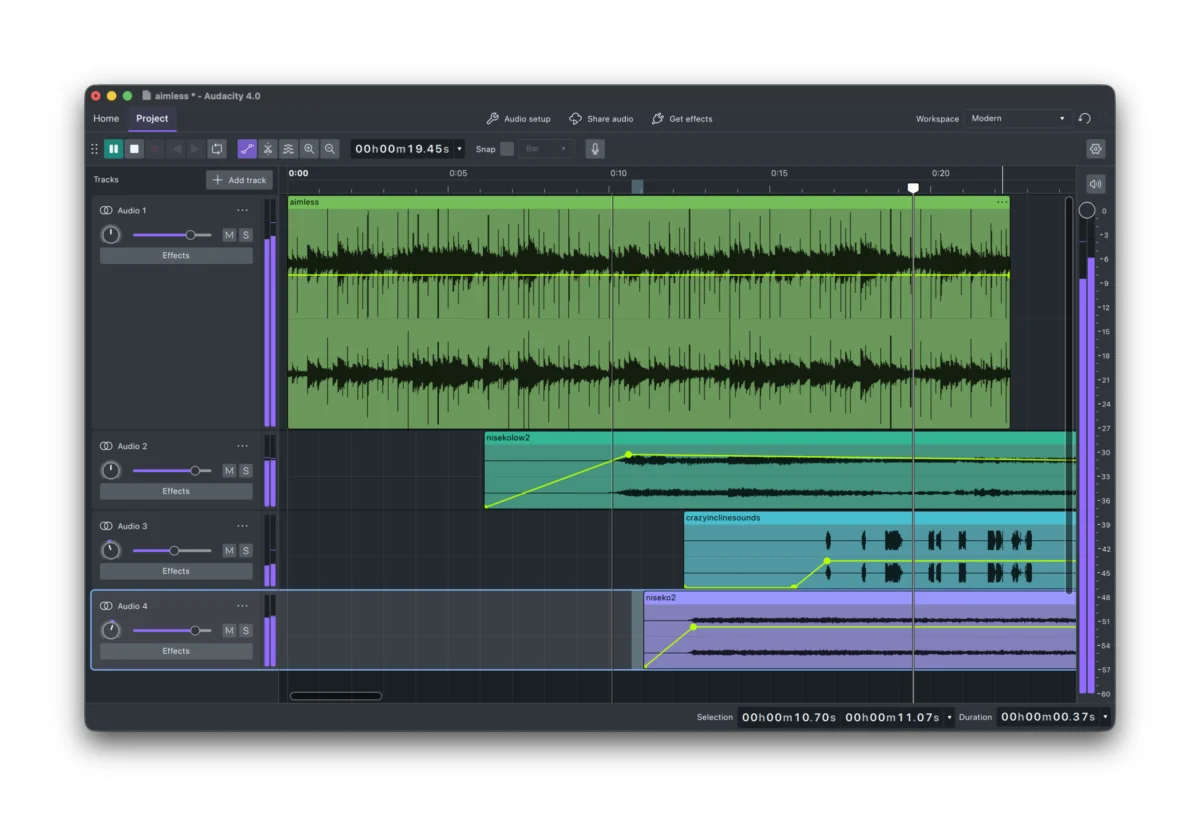
After a quarter-century of serving as the ubiquitous, community-driven cornerstone of digital audio editing, Audacity has reached its milestone fourth generation. Owned by industry conglomerate Muse Group—which also oversees MuseScore and publisher Hal Leonard—the open-source software has rolled out its most substantial visual and architectural redesign in its 26-year history. Surpassing 100 million cumulative downloads over its lifespan, Audacity 4 aims to modernize a platform long praised for its versatility yet frequently criticized for an archaic user interface and disjointed workflows.
While the software remains strictly free and open-source under the GNU General Public License v3 (GPLv3), the release brings a modernized aesthetic, a framework rebuild powered by the Qt toolkit, and a lighter, more nimble operational footprint. However, the update also arrives amid ongoing discussions regarding corporate stewardship in the open-source community, prompting renewed interest in community-driven forks like Tenacity.
A Quarter-Century Chronology: From Community Project to Corporate Portfolio
Launched in the late 1990s by Dominic Mazzoni and Roger Dannenberg at Carnegie Mellon University, Audacity quickly evolved into the world’s most popular free, cross-platform audio editor. For millions of podcasters, musicians, educators, and hobbyists across macOS, Windows, and Linux, it became the default entry point for basic audio capture and wave editing.
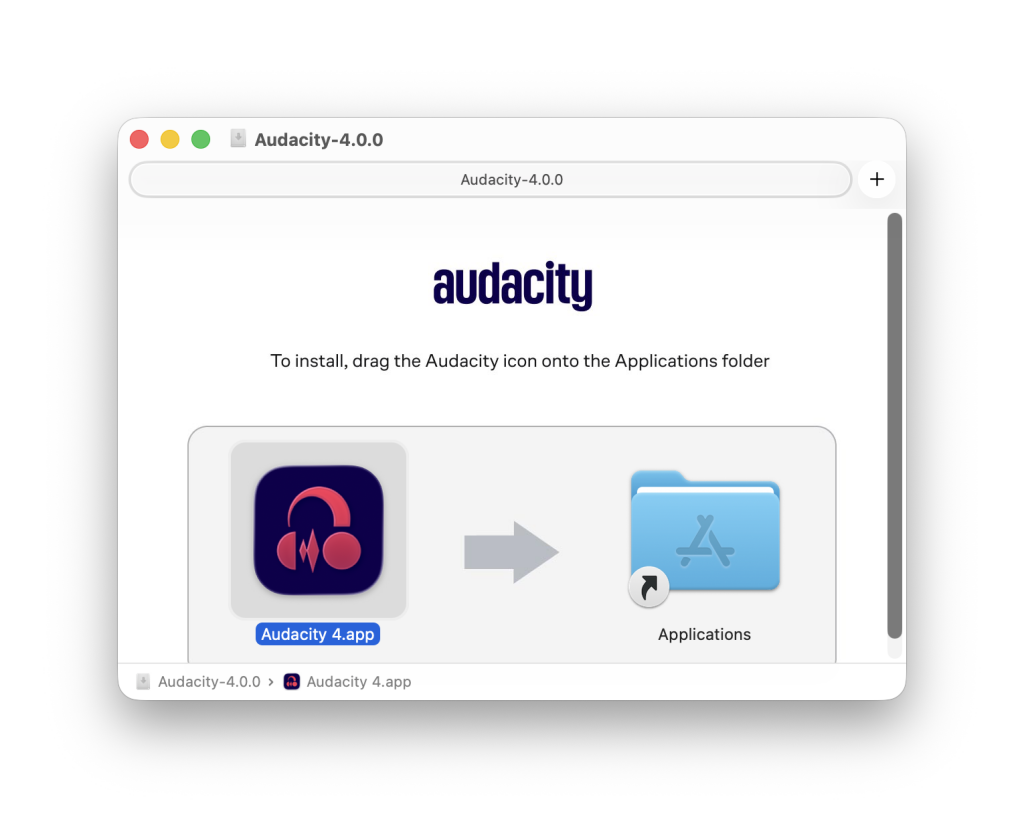
For most of its history, the software operated as a decentralized, volunteer-driven open-source utility. However, a major structural shift occurred in 2021 when the project was acquired by Muse Group. The acquisition brought commercial backing and strategic integration with MuseHub—a digital distribution platform for music software—but also sparked initial controversy regarding telemetry implementation and cloud-connected features.
Audacity 4 represents the culmination of Muse Group’s multi-year modernization strategy. Following an initial preview phase released in late autumn, version 4 transitions the software from what developers describe as a series of incremental updates to a generational platform shift, laying the technical foundation for future audio production ecosystems.
Architectural Enhancements and Modern Interface Design
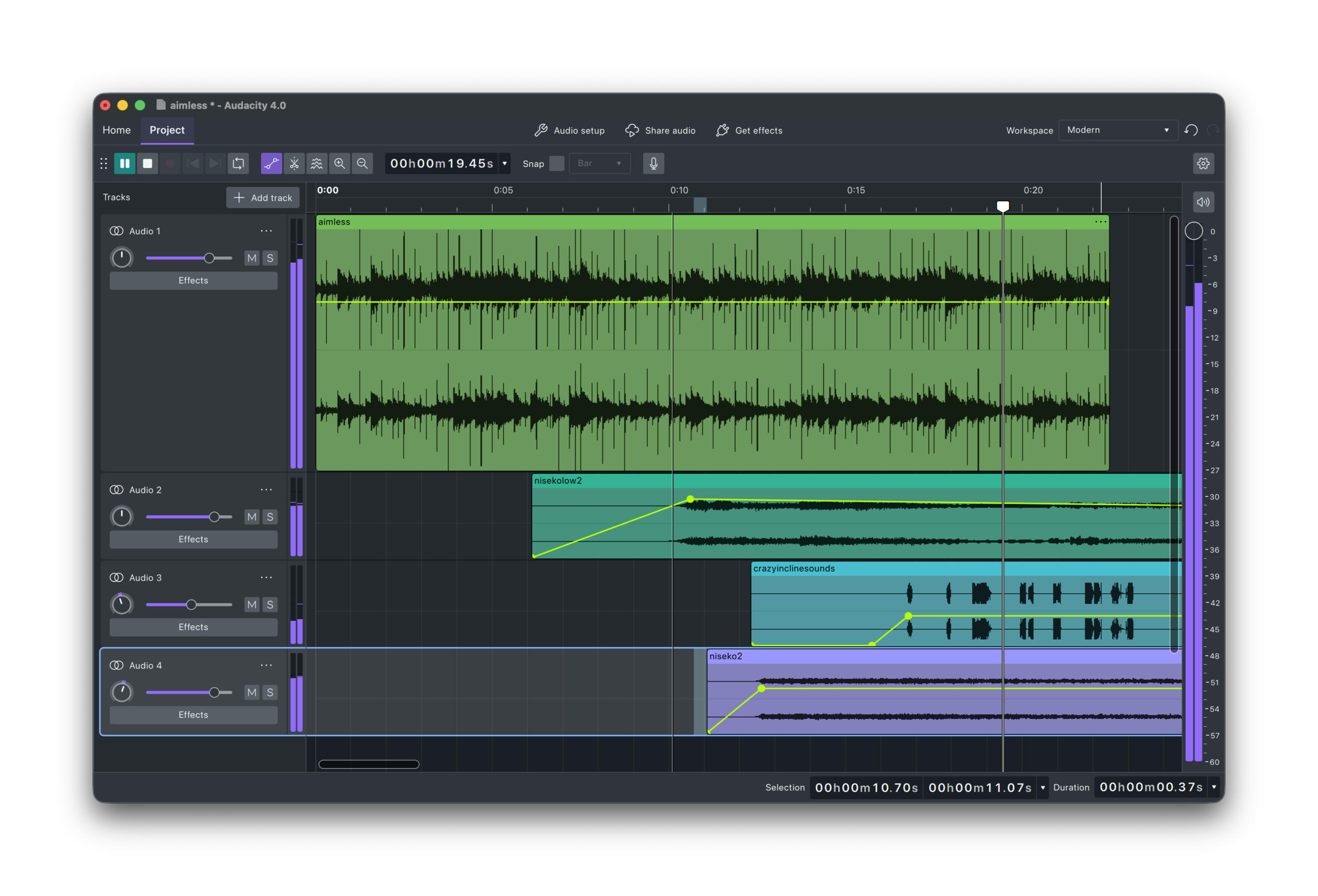
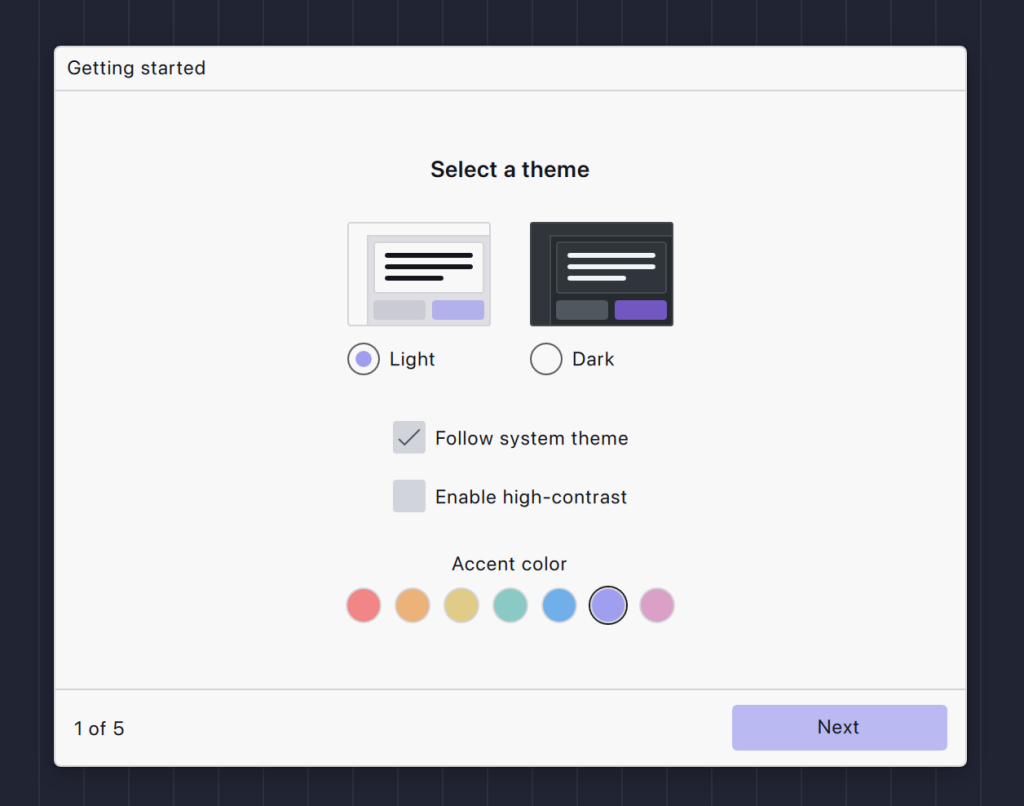
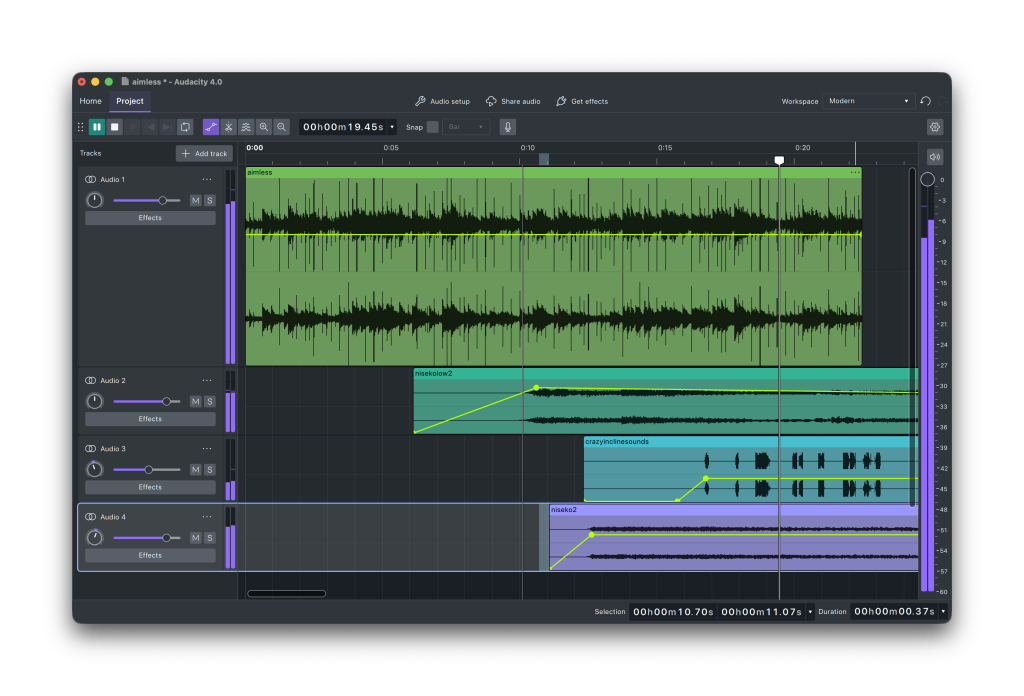
The defining feature of Audacity 4 is its completely overhauled user interface, addressing historical grievances regarding usability and visual clutter. Built on the robust Qt framework, the application delivers significant performance improvements, providing a noticeably snappier response time compared to many proprietary audio workstations.
Among the structural changes is the introduction of a "Modern" layout option. This layout relocates the master meter vertically to the side of the screen, freeing up valuable workspace horizontal real estate that was previously congested within traditional toolbars. Users retain the option to revert to a "Classic" mode, though all underlying UI refinements and editing improvements remain active regardless of the chosen layout. Modern mode also features customizable toolbar icon placement, allowing users to tailor their workspace.
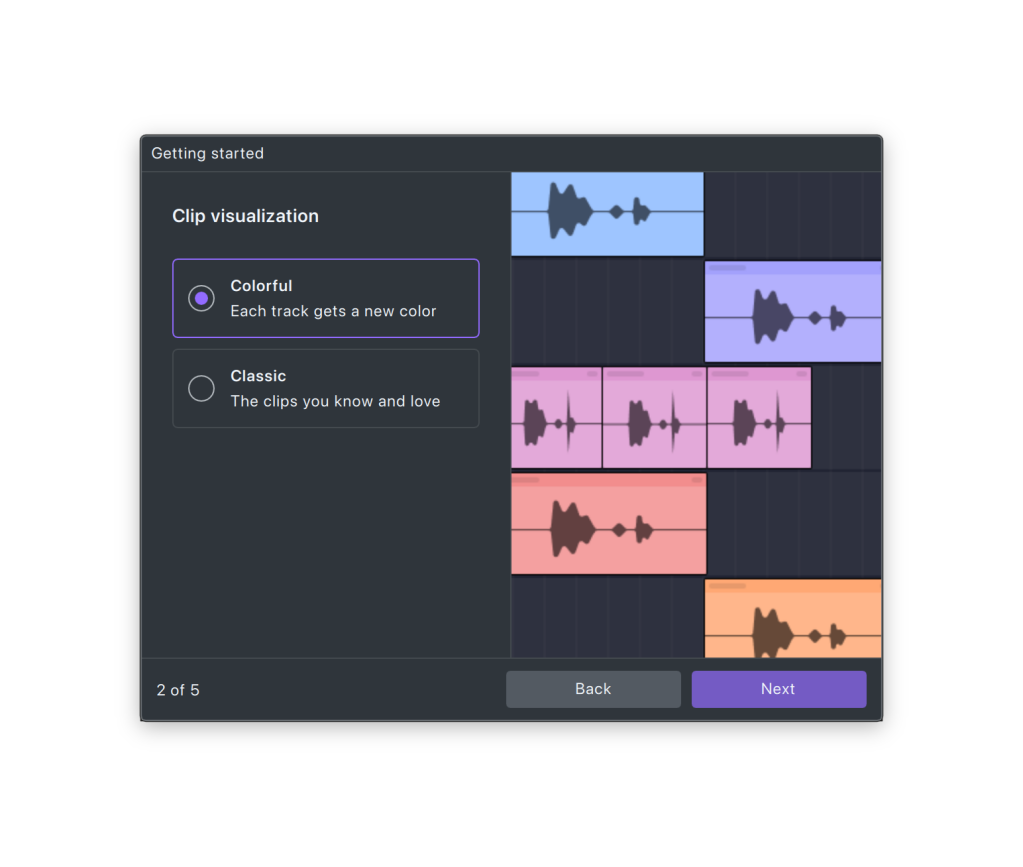
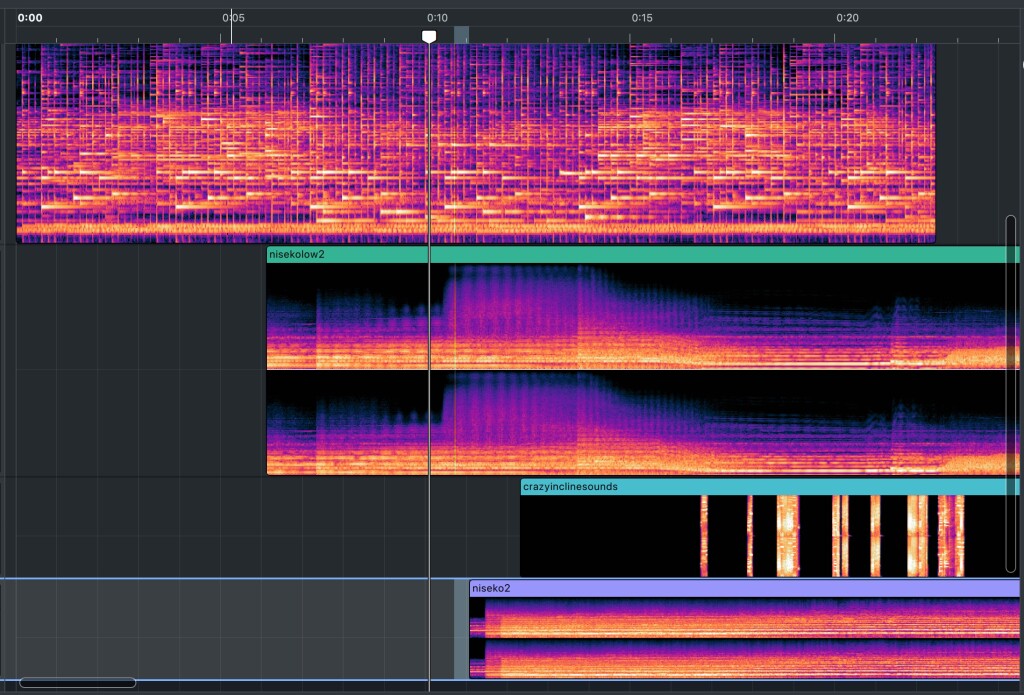
Visual clarity has been further enhanced through automated clip visualization, which applies color-coding to audio segments to help editors track complex arrangements more efficiently. Additionally, the software features updated native effects suites—such as modernized compressors and equalization tools—alongside a refined spectral view that rivals tools traditionally found in more complex digital audio workstations (DAWs) like Ardour.
Navigating the Ecosystem: Installation Flexibility and Privacy Controls
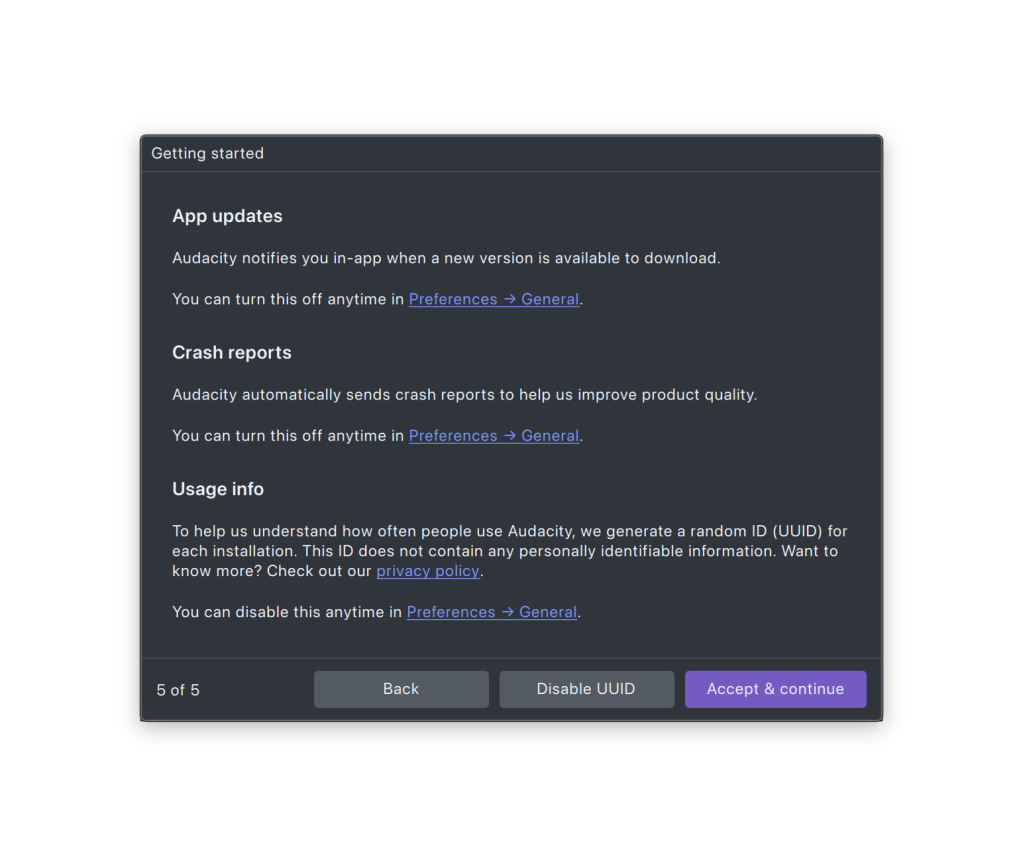
To address concerns from privacy-conscious users and educational institutions regarding mandatory cloud connectivity or telemetry, Muse Group has structured the distribution of Audacity 4 to allow granular user control.
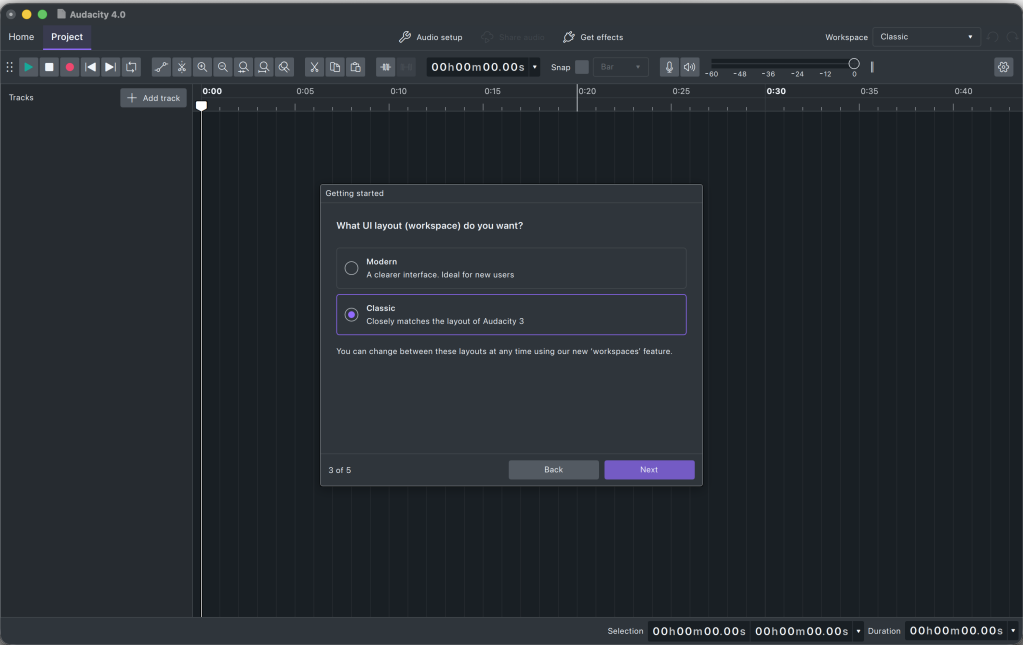
Users can bypass the ecosystem-focused MuseHub download pathway entirely by opting for standalone application bundles available directly on the project’s download portal. On macOS, this takes the form of a self-contained .dmg and application bundle, while Linux users can utilize AppImage binaries. These offline installers do not require an active internet connection, facilitating deployment in constrained environments such as computer labs or offline educational workshops. Furthermore, the software maintains transparent telemetry settings, allowing users to easily disable or review anonymized usage reporting.
Industry Implications and the Open-Source Fork Debate
Despite the technical success of the version 4 release, the governance model of Audacity continues to spark debate within the broader Free and Libre Open Source Software (FLOSS) community. While the GPLv3 license legally guarantees that Audacity will remain free forever, open-source advocates have expressed caution regarding Muse Group’s broader strategy of integrating the utility into a connected corporate ecosystem.
Critics argue that even under a permissive license, the influence of a large commercial entity shifts project control away from decentralized community consensus. This philosophical friction has historically enabled the fork-and-drain mechanism intrinsic to open-source governance.
A primary beneficiary of these governance concerns is Tenacity, a community-driven fork of the original software. Tenacity operates as a fully FLOSS alternative, stripping away corporate pack-ins and ecosystem touchpoints while maintaining cross-platform compatibility across Windows, macOS (including Apple Silicon architectures), and Linux. Tenacity developers continue to parallel many of Audacity’s core functional updates while preserving a strictly community-governed development model.
Market Position and Future Outlook
Industry analysts note that Audacity occupies a specific niche in the audio software market. It is structurally distinct from full-featured DAWs like Ardour or Reaper; Audacity remains a dedicated wave editor, optimized for rapid audio cleanup, podcast production, and linear editing.
By streamlining its interface, modernizing its effect plugins, and maintaining cross-platform parity, Audacity 4 successfully lowers the barrier to entry for novice creators while offering enough under-the-hood performance to satisfy professional editors seeking a lightweight utility tool.
Whether users choose the corporate-backed agility of Audacity 4 or the community-governed independence of Tenacity, the robust health of the project’s codebase ensures that free, accessible audio editing will remain widely available for the foreseeable future.