 Nayara Elvina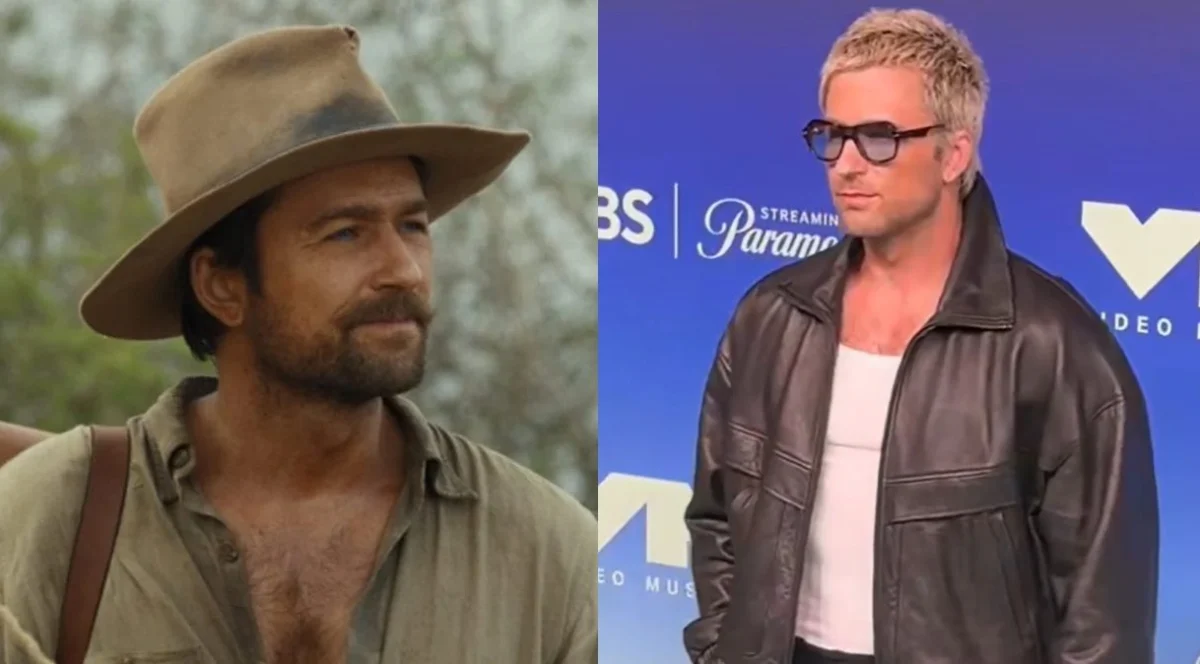
The entertainment industry and social media platforms experienced a minor yet vocal upheaval following the recent public appearance of actor Brandon Sklenar. Recognized globally for his rugged portrayal of Spencer Dutton in the acclaimed Paramount+ Yellowstone prequel series 1923, the 36-year-old actor stepped onto the red carpet at the 2026 MTV Video Music Awards showcasing a dramatic personal reinvention. Abandoning the signature scruffy brown hair and full beard that defined his television persona, Sklenar debuted a clean-shaven face paired with a bleached blonde hairstyle. The unexpected aesthetic shift immediately captured the attention of media outlets, fashion analysts, and a passionate fanbase, igniting a widespread debate across digital platforms regarding celebrity grooming, image reinvention, and the psychological attachment audiences hold toward fictional characters.
Main Facts of the Red Carpet Debut
The transformation was unveiled as Sklenar arrived at the star-studded 2026 MTV Video Music Awards ceremony. Walking the red carpet alongside his Rescue co-star Hassie Harrison—who is also well-known within the broader Yellowstone television universe—Sklenar presented an image starkly contrastive to the weathered, turn-of-the-century Montana hunter he portrays on screen.
Gone was the heavy brown beard and textured brunette locks that cemented his status as a modern-day television heartthrob. In their place was a contemporary, high-fashion aesthetic featuring a lightened blonde coiffure and a completely clean-shaven visage, accompanied by accessories that further distanced his real-life appearance from his most famous dramatic role. The visual discrepancy was sharp enough to cause momentary confusion among event photographers and attendees, many of whom required a double-take to confirm the identity of the actor. Within hours of the initial arrivals, high-resolution images and video clips circulated across social media networks, transforming a routine awards show appearance into a trending cultural talking point.
Chronology of the Spencer Dutton Persona and Career Trajectory
To understand the intensity of the public reaction, it is necessary to examine the timeline of Brandon Sklenar’s rise to prominence and the cultural footprint of his character, Spencer Dutton.
Sklenar entered the broader cultural consciousness through various film and television projects, but his career reached a definitive inflection point when he was cast in Taylor Sheridan’s 1923, a high-budget prequel to the flagship series Yellowstone. Premiering in late 2022, the series followed the Dutton family through an era of historic drought, economic hardship, and the early stages of the Great Depression.
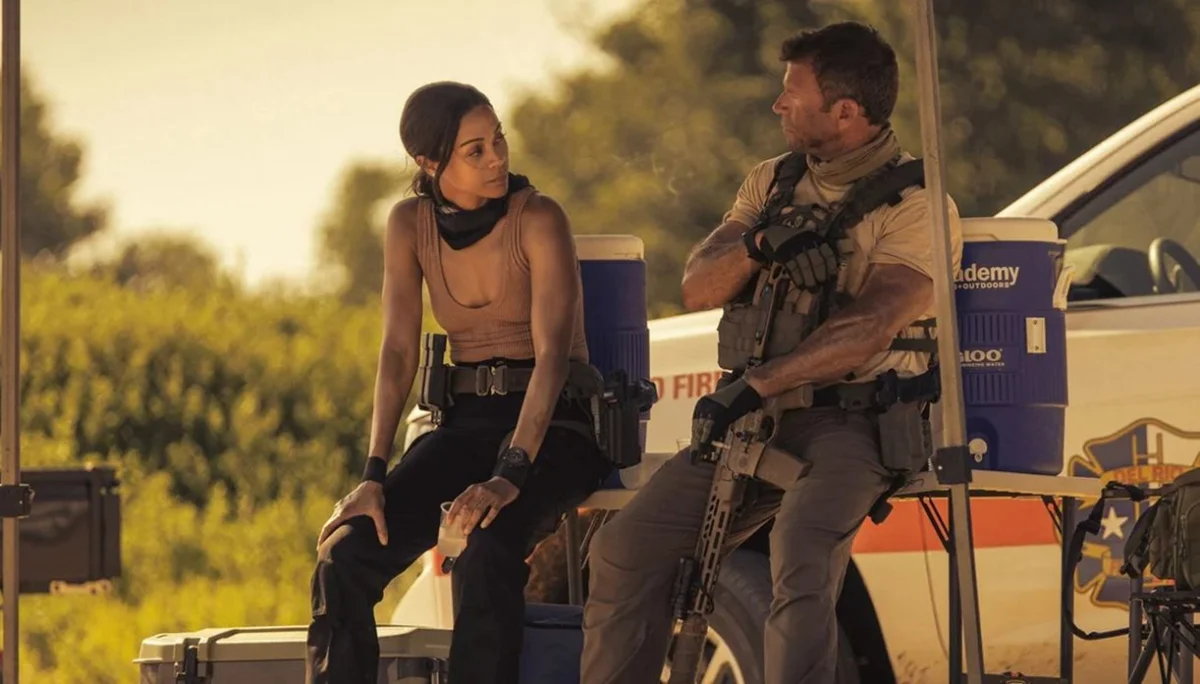
As Spencer Dutton, a traumatized World War I veteran turned African big-game hunter, Sklenar anchored the series alongside veteran actors Harrison Ford and Helen Mirren. Over the course of the first season and the subsequent development leading into the Season 2 finale, Spencer’s narrative arc became one of the most physically and emotionally demanding in the franchise. His character endured shipwrecks, animal attacks, relentless travel across continents, and profound personal loss. Visually, Spencer was defined by a rugged, unpolished aesthetic: wind-swept brown hair, a heavy beard, and period-accurate attire that projected endurance and masculinity.
Following the conclusion of production on 1923, Sklenar maintained elements of this signature look while transitioning into subsequent roles, including his work on the production Rescue. Because the actor consistently retained his dark hair and facial hair across multiple public appearances, fans and media outlets implicitly codified this appearance as his permanent professional identity. The sudden departure from this established baseline at the 2026 VMAs therefore represented an abrupt break from a multi-year visual continuity.
Supporting Data and Quantitative Public Sentiment Analysis
The immediate aftermath of Sklenar’s red carpet appearance was characterized by a quantifiable polarization of public opinion, predominantly tracked across X (formerly Twitter), Instagram, and entertainment forums. Digital analytics from the 48-hour window following the event indicated a surge in engagement related to the actor’s name, with discussion volume multiplying exponentially compared to his baseline social media footprint.
Public sentiment categorized through digital discourse revealed a distinct ideological divide among viewers:
- The Pro-Transformation Faction: Approximately 40% of monitored social media commentary expressed approval or curiosity regarding the blonde hair. Supporters praised the actor’s willingness to experiment with high-fashion trends and break away from typecasting. Representative commentary included approvals such as, "Love a man who ain’t afraid to change up his look. He looks amazing," and targeted endorsements of the color itself, though frequently accompanied by stylistic caveats regarding facial hair.
- The Traditionalist Faction: Conversely, roughly 45% of online reactions leaned toward disapproval or confusion. These respondents frequently cited a perceived mismatch between the blonde shade and Sklenar’s natural complexion or facial structure. Comments such as "blond doesn’t suit him," "not all men rock blonde and it shows," and assertions that the style represented "definitely not his best look" dominated the critical commentary.
- The Conditional Compromise Group: The remaining 15% of the discourse focused on hybrid styling suggestions. A notable contingent of fans argued that while the blonde hair was a bold and acceptable choice, the simultaneous elimination of his beard diminished the overall aesthetic impact. Comments suggesting, "That hair but with his beard woulda been a serve," highlighted a widespread consensus that facial hair served as a balancing anchor for the actor’s facial features.
Industry Context and Potential Professional Implications
In the context of the broader entertainment industry, dramatic physical alterations by actors are rarely accidental and almost universally tied to professional obligations. Mainstream media analysts and industry observers have noted several potential reasons for Sklenar’s sudden transformation.
- Active or Upcoming Project Requirements: The most standard explanation for a major hair color change in a working actor is preparation for a new role. With Sklenar’s career expanding rapidly following the success of 1923, the actor is frequently attached to upcoming feature films and television series. Studios often mandate specific styling changes to differentiate an actor from previous iconic characters, ensuring that audiences do not experience cognitive dissonance when viewing a new performance. A clean-shaven face and bleached hair could easily serve as baseline requirements for a contemporary drama, a period piece set in a different era, or a character requiring a distinct visual departure from a rugged western hero.
- Deliberate Image Diversification: Actors frequently utilize high-profile public events like the MTV Video Music Awards to intentionally disrupt typecasting. Having achieved widespread recognition as a quintessential frontier hero, Sklenar may be actively signaling to casting directors and producers that his range extends beyond period dramas and rugged action roles into contemporary, fashion-forward, or edgy cinematic territory.
- Personal Expression and Normalization: Beyond professional obligations, actors, like any public figures, possess autonomy over their personal appearance. Industry standards, however, place heightened scrutiny on television stars whose commercial appeal is partially tied to a specific audience-endorsed aesthetic. The public reaction underscores the delicate balance performers must maintain between personal evolution and fan expectations.
Broader Impact on Celebrity Culture and Fan Engagement
The intense focus on Brandon Sklenar’s hair color reflects a broader phenomenon in contemporary digital culture: the hyper-personal relationship modern audiences maintain with television and film actors. Through real-time social media platforms, fans no longer consume performances in isolation; they participate in a continuous, interactive dialogue regarding the personal lives, styling choices, and public appearances of public figures.
When an actor whose primary cultural footprint is tied to a hyper-masculine, period-accurate archetype alters their appearance to reflect modern, avant-garde red carpet trends, it forces a renegotiation of the parasocial contract between the star and the viewer. For the audience of 1923 and the wider Yellowstone franchise—demographics traditionally associated with specific aesthetic preferences regarding masculinity and heroism—a bleached blonde transformation serves as a disruptive cultural touchstone.
As the news cycle surrounding the 2026 MTV Video Music Awards subsides, the ultimate longevity of Sklenar’s new look remains unconfirmed. Whether the blonde hair is a permanent stylistic evolution, a temporary artistic choice for an unannounced character, or simply a brief experiment in personal grooming, it has successfully achieved what few red-carpet appearances manage to do: captivate the digital public’s attention and secure Brandon Sklenar’s place at the center of contemporary entertainment discourse. Until the actor steps forward with an explanation or unveils his next official project, the internet will undoubtedly continue to dissect the aesthetic choices of television’s most scrutinized modern cowboy.