Nana Wu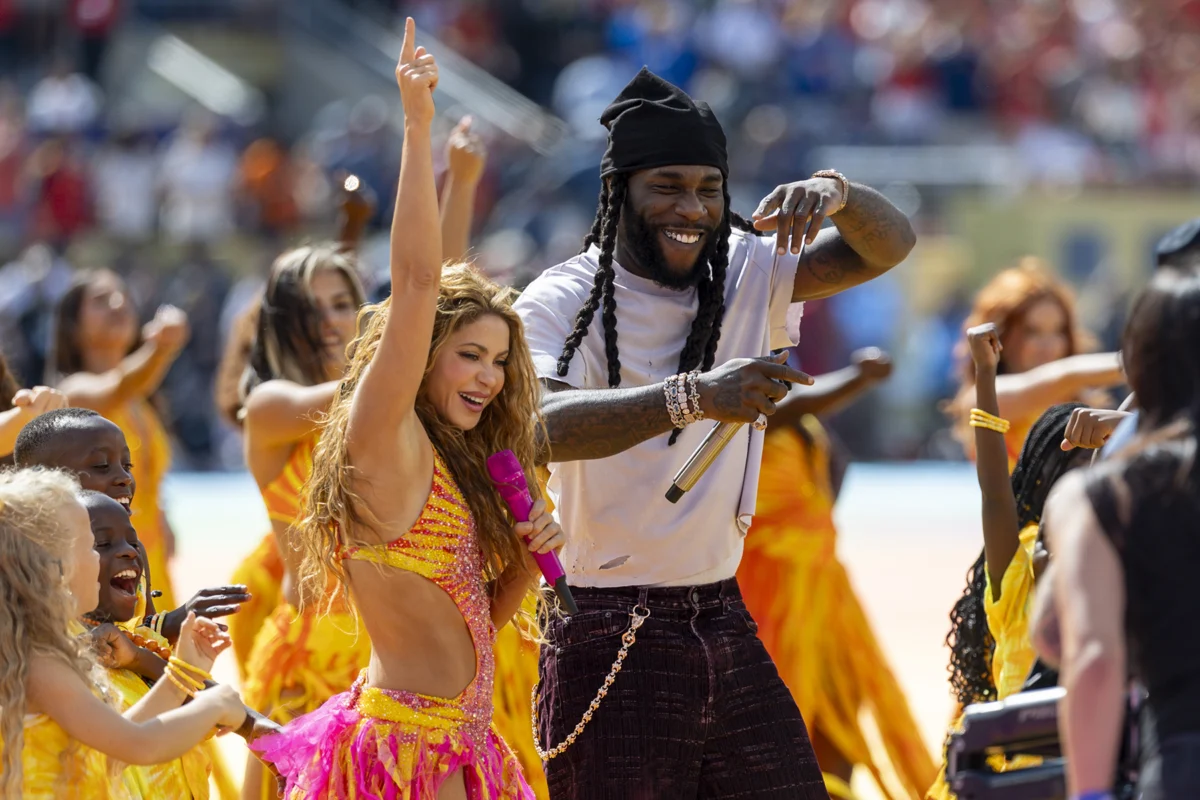
Grammy-winning Nigerian artist Burna Boy commanded the world stage on Sunday, July 19, 2026, delivering a monumental performance at the inaugural FIFA World Cup Final halftime show at the New York New Jersey Stadium in East Rutherford, NJ. The electrifying spectacle, featuring a collaborative anthem with pop icon Shakira, marked a significant milestone not only for Burna Boy’s burgeoning global career but also for the increasing visibility of Afrobeats on the international stage. Billboard‘s exclusive "day in the life" video diary offered an unprecedented, intimate glimpse into the hours leading up to what would become one of the most talked-about musical events of the year, meticulously chronicling the meticulous preparations, celebrity encounters, and intense emotional journey of the artist.
The Genesis of a Global Spectacle: The 2026 FIFA World Cup and its Halftime Show
The 2026 FIFA World Cup, uniquely co-hosted by the United States, Canada, and Mexico, represented a historic expansion for football’s premier tournament. With an unprecedented 48 teams participating and 104 matches scheduled across 16 host cities, the tournament was already poised to break viewership records and generate unparalleled global engagement. A pivotal innovation for this edition was the introduction of an official halftime show for the Final match, a concept clearly inspired by the immense success and cultural impact of the Super Bowl halftime show in American football. This strategic move aimed to elevate the entertainment value of the World Cup beyond the pitch, drawing in a broader audience and solidifying its status as a multifaceted global cultural event.
Historically, FIFA World Cups have featured elaborate opening and closing ceremonies, often showcasing musical performances by international stars. Anthems like Shakira’s "Waka Waka (This Time for Africa)" from 2010 and Ricky Martin’s "La Copa de la Vida" from 1998 have become synonymous with the tournament’s spirit, often performed at pre-match or post-match events. However, a dedicated halftime show for the Final, positioned during the critical interval between the two halves of play, presented a new opportunity for continuous, high-octane entertainment. The task of curating this inaugural event fell to Chris Martin, the acclaimed frontman of Coldplay, known for his visionary approach to large-scale performances and his ability to blend diverse musical talents. His selection hinted at a commitment to both artistic excellence and global appeal, setting the stage for a truly memorable debut.
A Day in the Life: Burna Boy’s Road to the World Cup Stage
The Billboard exclusive video offered an intimate, minute-by-minute account of Burna Boy’s performance day, revealing the blend of intense focus, professional rigor, and human interaction that defines such a monumental occasion. The day began early with a police escort, underscoring the high-profile nature of the event and the security protocols involved. This early start allowed Burna Boy ample time for mental preparation, a crucial aspect for artists facing such immense pressure and global scrutiny.
Upon arrival at MetLife Stadium, the magnitude of the venue and the upcoming performance became palpable. The video captured Burna Boy engaging in meticulous sound checks and final rehearsals, working closely with his team to ensure every detail was perfect. These sessions are not merely about perfecting choreography or vocal delivery; they are also about familiarizing oneself with the vast stage, the complex technical setups, and the dynamic energy of an empty stadium that would soon host tens of thousands of fans and billions of television viewers.
Throughout the day, Burna Boy shared several memorable interactions that punctuated the demanding schedule. A significant moment was his reunion with pop superstar Shakira, his collaborator on the official 2026 FIFA World Cup anthem, "Dai Dai." The video showed them posing for photos, their camaraderie evident, reflecting a mutual respect born from their artistic partnership. Shakira, with her extensive history of involvement in World Cup music, brought a wealth of experience, while Burna Boy infused the project with fresh, genre-blending energy.
Beyond his musical counterpart, Burna Boy’s day was peppered with unexpected celebrity encounters. He was seen meeting streamer iShowSpeed, a popular online personality known for his energetic content and love for football. This interaction highlighted the growing convergence of music, sports, and digital culture, demonstrating how artists are increasingly connecting with diverse fan bases across various media platforms. Later, a surprise appearance by Ted Lasso star Jason Sudeikis added a touch of Hollywood charm to the proceedings. Sudeikis, known for his beloved portrayal of a perpetually optimistic football coach, made an unannounced cameo to introduce global pop sensation Justin Bieber. Burna Boy and Bieber were captured in a warm embrace, a testament to the interconnected world of global entertainment and the mutual admiration among artists of different genres and backgrounds. These encounters, while seemingly brief, offered moments of levity and connection amidst the high-stakes environment.
As the clock ticked closer to kickoff, Burna Boy squeezed in one final practice session, a testament to his commitment to perfection. This last run-through served as a mental and physical warm-up, allowing him to visualize the performance and fine-tune any last-minute adjustments. The adrenaline was visibly building as he made his way through the players’ tunnel, the roar of the crowd growing louder with each step towards the field.
The performance itself was a triumph. Stepping onto the field, Burna Boy exuded confidence and raw energy, captivating the global audience with his dynamic presence. The camera followed him as he navigated the massive stage, his performance of "Dai Dai" a vibrant fusion of Afrobeats rhythms and global pop sensibilities. As the final notes reverberated through the stadium, Burna Boy was all smiles, clearly elated by the successful execution of such a monumental task. His exit from the field, back through the players’ tunnel, was met with immediate praise. Chris Martin, the show’s curator, was on hand to congratulate him, offering words of commendation that underscored the success of the collaboration and the overall production. Martin, who also co-wrote the song "We Dance" with his Coldplay bandmates for the finale, acknowledged Burna Boy’s immense talent and contribution to the historic event.
"Dai Dai": The Anthem That United Nations
The official 2026 FIFA World Cup anthem, "Dai Dai," a powerful collaboration between Burna Boy and Shakira, emerged as a central pillar of the tournament’s musical identity. The song, a masterful blend of Afrobeats, Latin pop, and global electronic elements, was strategically crafted to embody the spirit of unity, celebration, and fierce competition inherent in the World Cup. Its lyrics, sung in a mix of English and Spanish, spoke to themes of perseverance, joy, and the universal language of football, resonating with audiences across linguistic and cultural divides.
The commercial success of "Dai Dai" mirrored its cultural impact. In the week following the World Cup Final, the track achieved its second consecutive week atop the prestigious Billboard Global 200 chart. This chart, which aggregates streaming and sales data from over 200 territories worldwide, offers a comprehensive measure of a song’s global popularity. Furthermore, "Dai Dai" maintained its dominance on the Billboard Global Excl. U.S. chart for a remarkable fourth week, signaling its particular strength and resonance in international markets outside of the United States. This dual chart success underscored the song’s widespread appeal and its effectiveness in capturing the attention of a truly global audience.
The selection of Burna Boy and Shakira for the anthem and the halftime show was a deliberate move by FIFA and the curatorial team to reflect the diverse and evolving landscape of global music. Shakira brought her established legacy as a World Cup anthem queen, having delivered iconic songs for past tournaments. Burna Boy, on the other hand, represented the burgeoning power of Afrobeats, a genre that has steadily gained traction and critical acclaim worldwide, particularly over the last decade. Their collaboration symbolized a bridge between established global pop and emerging musical movements, creating an anthem that was both familiar and refreshingly new. The infectious rhythms and uplifting message of "Dai Dai" not only provided the soundtrack to the tournament but also served as a testament to the power of cross-cultural artistic collaboration.
Statements, Reactions, and Broader Implications
While formal statements from all parties were anticipated, the Billboard video and the public reception provided clear insights into the sentiment surrounding the event. Burna Boy, known for his humility and dedication, likely viewed the performance as a profound honor and a significant platform for Afrobeats. His smiles and confident demeanor post-performance conveyed a deep sense of accomplishment, fulfilling a dream shared by many artists from the African continent. This landmark moment underscored Burna Boy’s commitment to showcasing his culture and music on the grandest possible stages, further cementing his status as a global ambassador for Afrobeats.
Shakira, a veteran of World Cup performances, would undoubtedly have expressed satisfaction with the collaboration and the success of "Dai Dai." Her willingness to partner with a contemporary Afrobeats artist demonstrated her continued relevance and openness to evolving musical trends, reaffirming her status as a global icon capable of bridging diverse musical worlds.
Chris Martin, as the curator, likely expressed immense pride in the execution of the inaugural halftime show. His post-performance praise for Burna Boy highlighted his vision for a diverse, impactful show and his recognition of the artist’s unique talent. The inclusion of Coldplay’s "We Dance" as a finale further showcased Martin’s artistic touch, ensuring a cohesive and memorable musical journey for the audience.
From FIFA’s perspective, the inaugural halftime show was an undeniable success. The positive global reception, the chart-topping performance of the anthem, and the smooth execution of the elaborate production would have validated their decision to invest in this new entertainment format. This success sets a compelling precedent for future World Cup tournaments, suggesting that the halftime show will become a staple, potentially rivaling the cultural significance of other major sporting event spectacles.
Fan reactions across social media platforms were overwhelmingly positive. Billions of viewers tuned in, and the performance quickly became a trending topic worldwide. Comments lauded Burna Boy’s energetic stage presence, the seamless chemistry with Shakira, and the infectious nature of "Dai Dai." Many fans, particularly from Africa and the diaspora, expressed immense pride in seeing Afrobeats represented so prominently on such a global stage, signaling a powerful moment of cultural validation and celebration. Music critics also weighed in, generally commending the show for its high production value, artistic diversity, and its successful integration into the sporting event.
Afrobeats’ Global Ascent and Burna Boy’s Enduring Legacy
Burna Boy’s performance at the 2026 FIFA World Cup Final was more than just a musical set; it was a powerful statement about the global dominance of Afrobeats. Over the past decade, Afrobeats has transcended its origins in Nigeria and Ghana to become a formidable force in the international music industry. Artists like Burna Boy, Wizkid, Davido, and Tems have spearheaded this movement, consistently releasing chart-topping hits, collaborating with global superstars, and selling out arenas worldwide. This World Cup appearance served as the genre’s grandest coronation yet, exposing it to an unparalleled global audience, many of whom might have been experiencing Afrobeats for the first time.
For Burna Boy himself, this performance cemented his status as a true global superstar. With multiple Grammy Awards already under his belt, including Best Global Music Album for Twice as Tall, Burna Boy has consistently pushed the boundaries of Afrobeats, incorporating elements of reggae, dancehall, R&B, and hip-hop into his distinctive sound. The World Cup stage represented a pinnacle moment in his career, an opportunity to not only entertain but also to inspire millions. His presence at such a high-profile event reinforces the idea that talent, regardless of origin, can reach the highest echelons of global entertainment. It amplifies his voice, his message, and his commitment to authentic artistic expression.
Looking ahead, the success of the inaugural FIFA World Cup Final halftime show sets a new benchmark for sports entertainment. It demonstrates that the integration of diverse global musical talents can significantly enhance the overall spectacle of major sporting events. Future World Cups are now expected to feature equally compelling and culturally diverse performances, opening doors for even more artists from different regions of the world to showcase their talent on the grandest stage. This evolution not only enriches the viewing experience for fans but also fosters greater cultural exchange and understanding through the universal language of music and sport. The economic implications are also significant, potentially boosting tourism, merchandise sales, and cultural diplomacy for host nations and participating artists alike.
In conclusion, Burna Boy’s day at the 2026 FIFA World Cup Final was a whirlwind of preparation, star-studded encounters, and ultimately, a triumphant performance that resonated across the globe. Documented meticulously by Billboard, his journey from a police escort to the electrifying stage showcased the immense dedication required for such a historic moment. Alongside Shakira and the chart-topping anthem "Dai Dai," Burna Boy not only delivered an unforgettable show but also propelled Afrobeats further into the global consciousness, leaving an indelible mark on the intersection of music, culture, and the world’s most beloved sport. The success of this inaugural halftime show has irrevocably changed the landscape of World Cup entertainment, promising a future where global music continues to play an increasingly central role in celebrating the beautiful game.