 Nana Wu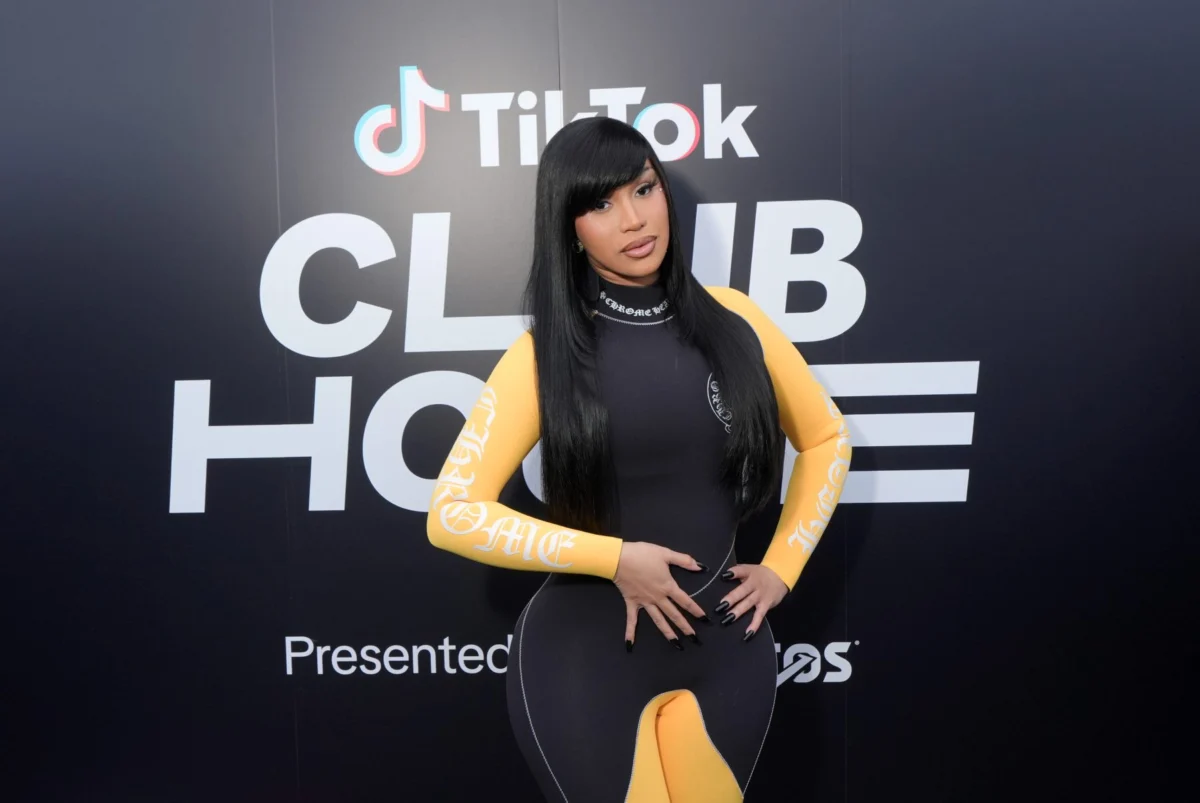
Global music icon Cardi B, whose legal name is Belcalis Almánzar, is intensifying her protracted legal battle against gossip blogger Latasha Kebe, widely known as Tasha K, by requesting more than $110,000 in legal fees. This latest development comes after a judge found Kebe in contempt of court last month for violating a non-disparagement agreement that was a critical component of a bankruptcy settlement. The settlement was initially established to facilitate the repayment of a substantial $4 million defamation judgment awarded to Cardi B in 2022.
The demand for these significant legal fees, detailed in a Wednesday, June 3, 2026, filing, underscores the persistent challenges in enforcing legal agreements in the digital age, particularly against online content creators. The motion highlights the extensive and costly efforts required to monitor and document violations across multiple social media platforms, emphasizing the comprehensive nature of the legal work involved in ensuring compliance with court orders.
The Genesis of the Conflict: A Landmark Defamation Case
The legal saga between Cardi B and Tasha K traces its origins back to 2019 when the Grammy-winning artist filed a lawsuit against Kebe. The lawsuit alleged that Tasha K had engaged in a malicious campaign of defamation through her YouTube channel, "unWinewithTashaK," and associated social media platforms. Kebe had published a series of videos containing sensational and unsubstantiated claims about Cardi B, including allegations of drug use, sexually transmitted diseases, and prostitution. These claims, which lacked any factual basis, were widely disseminated and caused significant distress and damage to Cardi B’s personal and professional reputation.
The trial, held in federal court in Georgia in January 2022, drew considerable media attention as a precedent-setting case concerning online defamation and the accountability of internet personalities. Cardi B testified compellingly about the severe emotional toll and career impact of Kebe’s false statements, detailing bouts of anxiety, depression, and even suicidal thoughts. Her legal team presented overwhelming evidence demonstrating the defamatory nature of Kebe’s content and the direct harm it inflicted.
After a rigorous legal process, a federal jury sided unequivocally with Cardi B. The verdict initially awarded her $1.25 million in general damages and an additional $1.5 million in punitive damages. Subsequently, the court added approximately $1.3 million to cover Cardi B’s legal fees incurred during the defamation trial, bringing the total judgment against Tasha K to nearly $4 million. This landmark ruling sent a clear message to online content creators about the severe legal consequences of spreading false and damaging information.
Navigating Bankruptcy and the Non-Disparagement Covenant
In the wake of the substantial judgment, Tasha K filed for Chapter 11 bankruptcy in 2023, seeking to discharge her debts, including the multi-million-dollar obligation to Cardi B. This move was widely perceived as an attempt to evade payment of the defamation verdict. However, Cardi B’s legal team vehemently objected to the discharge, signaling the rapper’s unwavering commitment to collecting the judgment. Cardi B famously tweeted "imma come for everything…BBHMM" (a reference to Rihanna’s "B**** Better Have My Money"), indicating her determination to hold Kebe accountable.

U.S. Bankruptcy Judge Scott M. Grossman ultimately ruled in Cardi B’s favor, refusing to discharge the judgment. The judge determined that the debt stemmed from "willful and malicious injury" inflicted by Tasha K, rendering it non-dischargeable under bankruptcy law. This decision was a critical victory for Cardi B, ensuring that Kebe could not simply shed her legal obligations through bankruptcy proceedings.
Following this ruling, in February 2024, Tasha K proposed a repayment plan that was approved by the court. As part of this plan, Kebe agreed to pay Cardi B $1.2 million over five years, with the understanding that the remaining balance of the $4 million judgment would still be owed down the line. Crucially, the settlement included a stringent non-disparagement clause. This clause explicitly prohibited Tasha K from making any further disparaging statements about Cardi B or her family, recognizing the need to prevent a recurrence of the harmful conduct that led to the original lawsuit. For approximately a year after the settlement was approved, relations between the parties remained relatively quiet, suggesting a period of compliance.
The Breach: Violations and the Contempt Ruling
However, this fragile peace was shattered in April 2026 when Cardi B’s attorneys alleged that Tasha K had committed "willful violations" of the non-disparagement agreement. The allegations detailed a pattern of new disparaging remarks made by Kebe across various digital platforms and even on public radio broadcasts. These violations reportedly spanned YouTube, X (formerly Twitter), Instagram, Facebook, Threads, and TikTok, demonstrating a broad and persistent disregard for the court-ordered agreement.
Specifically, Tasha K’s renewed commentary included discussions about Cardi B’s estranged husband, Offset, and unsubstantiated claims involving NFL player Stefon Diggs, which Cardi B’s legal team argued constituted a direct breach of the settlement terms. The non-disparagement clause was designed to protect Cardi B and her family from precisely this type of public commentary, regardless of its specific content, given Kebe’s history of making false and damaging statements.
After reviewing the evidence presented by Cardi B’s legal team, U.S. Bankruptcy Judge Scott M. Grossman found Tasha K in contempt of court last month (May 2026). The judge’s ruling affirmed that Kebe had indeed defied the terms of the settlement. As a direct consequence of this breach, Judge Grossman mandated that Tasha K would be responsible for covering the legal fees Cardi B incurred in monitoring Kebe’s activities and enforcing compliance with the settlement. This decision highlighted the court’s commitment to upholding its orders and ensuring that parties adhere to the agreements they sign.
The Financial Fallout: Over $110,000 in Enforcement Fees
The latest filing, submitted on June 3, 2026, by Cardi B’s legal counsel, precisely quantifies these enforcement costs, totaling $110,115. This amount represents the fees billed by two law firms, Meland Budwick and Moore Pequignot, for over 100 hours of what attorneys James Moon and Lisa Moore describe as "time-intensive and legally complex" work.
The attorneys elaborated on the nature of this extensive work in their filing, stating, "The compliance enforcement award category required continuous monitoring of debtor’s social media activity across multiple platforms over a period of more than fourteen months following confirmation, the systematic documentation of violations spanning YouTube, X (formerly Twitter), Instagram, Facebook, Threads and TikTok, as well as public radio broadcasts, and the preparation of a detailed evidentiary record for the motion." This statement vividly illustrates the demanding and meticulous nature of tracking, identifying, and formally documenting breaches in the fast-evolving landscape of online content. The process involved not only legal expertise but also a significant investment of time and resources in digital forensics and evidence gathering.

The requested sum represents a substantial additional financial burden for Tasha K, who is already grappling with the original multi-million-dollar defamation judgment and a bankruptcy repayment plan. It underscores the financial risks involved when individuals, particularly those with a history of legal disputes, fail to adhere to court-mandated agreements. As of the filing, Tasha K’s lawyer has not immediately responded to requests for comment regarding the fee accounting. Kebe has been granted two weeks to respond in writing to Cardi B’s request before Judge Grossman issues a final ruling on the matter.
Broader Implications and Related Legal Maneuvers
This ongoing legal saga carries significant implications beyond the immediate parties involved. It serves as a stark reminder of the increasing accountability for online content creators and the serious legal and financial repercussions for defamation and the willful disregard of court orders. The case reinforces the precedent that internet personalities are not immune to traditional libel laws and that legal agreements, even those forged in bankruptcy, will be vigorously enforced by the courts.
Furthermore, the substantial legal fees sought by Cardi B underscore the high cost of enforcing judgments and ensuring compliance in the digital realm. The continuous monitoring of social media and public broadcasts requires specialized legal and investigative resources, making such enforcement actions inherently expensive. This reality may deter some victims of online defamation from pursuing justice, highlighting the privileged position of high-profile individuals like Cardi B who have the means to sustain such protracted legal battles.
In a related development, Cardi B initiated a new lawsuit in May 2026 against Tasha K’s husband, Cheickna Kebe. This lawsuit alleges that Cheickna Kebe orchestrated a fraudulent scheme to move around the couple’s assets, ostensibly to shield them from collection after the initial defamation judgment. This legal action introduces another layer of complexity to the already intricate case, suggesting a perceived effort to evade financial responsibility. As of now, Cheickna Kebe has not yet formally responded to these claims in court. This additional lawsuit demonstrates Cardi B’s comprehensive approach to ensuring full restitution and preventing any attempts to circumvent the court’s orders.
The Road Ahead
The next immediate step in this evolving legal battle will be Tasha K’s response to Cardi B’s motion for legal fees. Following this, Judge Grossman will make a final determination on the amount Kebe must pay. Should Tasha K fail to comply with this new financial obligation, it could lead to further legal actions, potentially including additional contempt charges or stricter enforcement mechanisms.
The entire episode serves as a cautionary tale for individuals who operate in the online space, emphasizing the permanence and legal weight of digital content and the serious consequences of defamation. For Cardi B, the relentless pursuit of justice and financial restitution against Tasha K underscores her commitment to protecting her reputation and setting a precedent for accountability in the digital age. The long-running dispute highlights the arduous and often costly path to legal redress, even when initial judgments are clear. The resolution of these new motions will undoubtedly add another chapter to this closely watched legal confrontation, with lasting implications for online conduct and legal enforcement.