Jia Lissa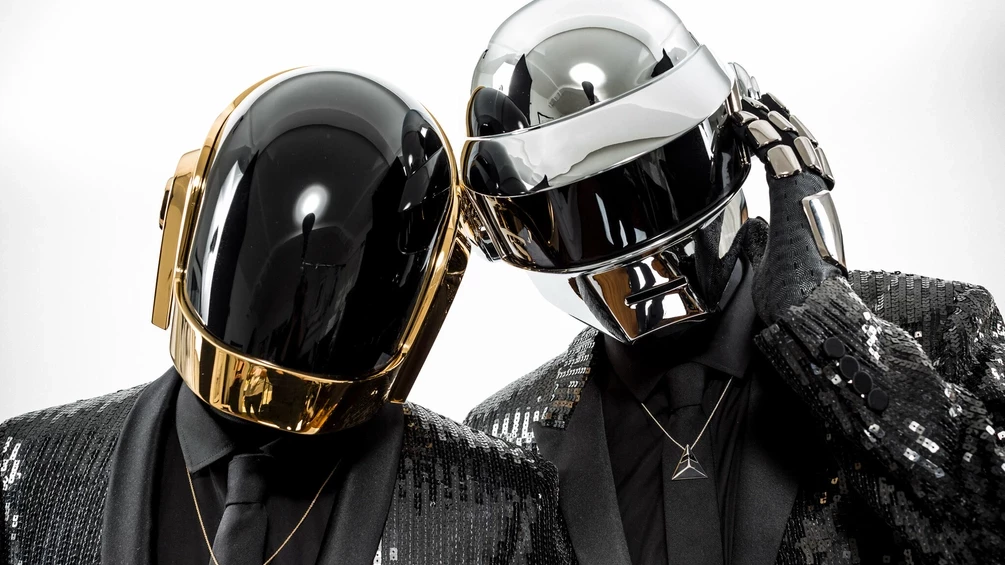
The iconic electronic anthem "One More Time" by French duo Daft Punk has been officially designated as the goal song for the French national football team during the FIFA World Cup 2026. This selection marks a significant evolution in how national teams are integrating bespoke musical elements into major international tournaments, enhancing the fan experience and intertwining national identity with cultural exports. The decision aligns with new audio regulations introduced for this summer’s tournament, which empower national sport associations to submit individual choices for tunes to be played after goals and other pivotal match moments.
France’s Electrifying Start and the Sound of Victory
France, currently holding the formidable position of second in the FIFA world rankings and widely considered strong favorites to lift the trophy, commenced their World Cup campaign on Tuesday, June 16th. Their opening match saw them secure a decisive 3-1 victory over Senegal, held at the colossal MetLife Stadium in New Jersey, one of the key venues for the expanded 2026 tournament. With each of France’s three goals, including a brace from their talismanic striker Kylian Mbappé, the distinctive, euphoric synths and vocoder-laden chorus of "One More Time" reverberated throughout the stadium, instantly creating a celebratory atmosphere that resonated with both players and supporters. This early deployment of the chosen anthem immediately underscored the impact of the new audio rules, transforming the traditional goal celebration into a more immersive and nationally curated experience.
The integration of such a globally recognized track by a legendary French act like Daft Punk serves multiple purposes. It not only galvanizes the French fanbase but also projects a facet of French contemporary culture onto a global stage, leveraging the universal appeal of electronic music. The choice is a deliberate nod to France’s rich musical heritage, which extends far beyond classical compositions to embrace pioneering electronic sounds that have influenced countless artists worldwide.
FIFA’s Innovative Audio Rules: A New Chapter for Fan Engagement
The introduction of updated audio rules for the FIFA World Cup 2026 represents a proactive step by FIFA to modernize the matchday experience and foster deeper engagement with fans. Historically, stadium music during football matches has often been generic or chosen by host broadcasters. However, this new directive allows national federations to inject a unique flavor into their team’s participation, offering a personalized soundtrack to their tournament journey. This move is designed to create a more dynamic and culturally relevant atmosphere within the stadiums and for television audiences globally.
The rationale behind these rules is multifaceted. Firstly, it aims to amplify national pride by allowing teams to select music that resonates deeply with their culture and fanbase. Secondly, it provides an additional layer of entertainment, making goal celebrations and other key moments more memorable. Thirdly, it opens avenues for greater collaboration between national sports bodies and their respective music industries, potentially boosting exposure for artists and genres. This shift acknowledges the significant role music plays in collective human experience and seeks to harness that power within the high-stakes environment of a World Cup.
England’s Choice and the Diverse Sonic Landscape of the Tournament
Following France’s debut, England initiated their own World Cup quest on Wednesday, June 17th, achieving a convincing 4-2 victory over Croatia. English fans were treated to their national team’s chosen goal song, "Chase the Sun" by Italian electronic group Planet Funk. This selection also reflects a trend towards upbeat, anthemic electronic tracks, indicating a broader shift in musical preferences for sporting celebrations.
This represents a notable departure from previous tournaments, where unofficial anthems often emerged organically from fan culture. For instance, Gala’s "Freed From Desire" became an unofficial, ubiquitous anthem during the last global football tournament in Qatar, largely driven by grassroots fan adoption rather than official federation endorsement. The 2026 regulations formalize this aspect, providing a structured framework for musical integration.
Beyond France and England, other nations have also unveiled their sonic selections, contributing to a rich tapestry of musical styles. Germany’s DFB football association, for example, opted for Peter Schilling’s 1980 synth-pop classic, "Major Tom (Coming Home)," a track that resonates deeply within German cultural memory. These diverse choices highlight the varied musical landscapes of participating nations and underscore the global appeal of electronic music, synth-pop, and other upbeat genres for celebratory moments.
In parallel with national selections, FIFA itself has curated an extensive tournament compilation, the official FIFA World Cup 2026™ album. This compilation features a star-studded lineup of international artists, including electronic music titan David Guetta, Grammy-winning rapper Megan Thee Stallion, and renowned tenor Andrea Bocelli. This official album further cements the importance of music as an integral component of the World Cup brand, appealing to a broad global audience with a blend of contemporary hits and timeless classics.
The Enduring Legacy of Daft Punk and ‘One More Time’
The selection of "One More Time" is particularly poignant given Daft Punk’s monumental influence on electronic music and global culture. Released in November 2000 as the lead single from their seminal album Discovery, "One More Time" transcended genre boundaries, becoming a commercial success and a dancefloor staple worldwide. Its infectious melody, uplifting tempo, and iconic vocoder vocals epitomize the duo’s genius for crafting tracks that are both futuristic and universally appealing.
Daft Punk, comprising Guy-Manuel de Homem-Christo and Thomas Bangalter, rose to prominence in the 1990s as pioneers of the French house movement. Their distinctive robot personas and meticulously crafted soundscapes made them global icons, culminating in multiple Grammy Awards and critical acclaim across their career, which officially concluded in 2021. Their music has consistently pushed boundaries, blending elements of disco, funk, techno, and pop into a unique sonic signature.
The choice of "One More Time" for the French team is not merely about a popular song; it’s a celebration of French innovation and creativity. The track’s themes of celebration and togetherness perfectly align with the spirit of the World Cup. It evokes a sense of collective joy and an almost irresistible urge to move, making it an ideal soundtrack for the euphoria of a goal. The fact that a song released over two decades ago still possesses such contemporary resonance speaks volumes about Daft Punk’s timeless artistry.
Recent activities surrounding Daft Punk members have kept the duo in public discourse despite their official split. Earlier this month, Thomas Bangalter, one half of the duo, surprised fans with a DJ set on Brooklyn independent station The Lot Radio, showcasing his continued engagement with the electronic music scene. A few days prior, Bangalter was interviewed by The Times and reiterated his stance on a potential Daft Punk reunion, stating, "I’m really happy that throughout our long run we were able to not screw it up… There are other things to explore." These comments underscore a desire to maintain the legacy and artistic integrity of Daft Punk while pursuing new creative avenues.
Furthermore, 2022 marked the 25th anniversary of Daft Punk’s Discovery album. This milestone prompted numerous retrospectives and tributes, with artists, fans, and affiliates sharing personal reflections on the album’s profound influence on their lives and musical practices. Such ongoing engagement highlights the enduring cultural significance of Daft Punk’s body of work, making "One More Time" a particularly fitting and impactful choice for the French national team.
The Broader Implications: Music, National Identity, and Global Sport
The strategic integration of specific goal songs like "One More Time" into the FIFA World Cup 2026 carries several broader implications for the intersection of music, national identity, and global sport.
Firstly, it elevates the matchday experience for attendees and viewers. Music has a powerful ability to evoke emotion and create a shared atmosphere. By standardizing national goal songs, FIFA and national federations are curating a more consistent and impactful emotional arc throughout each game. The sound of a familiar, nationally significant track after a goal can amplify jubilation and create a stronger bond between the team and its supporters.
Secondly, it serves as a form of cultural diplomacy. When a nation selects a globally recognized song by one of its own artists, it projects a specific cultural image to billions worldwide. For France, using Daft Punk highlights its modern, innovative, and influential contributions to contemporary music. This soft power can enhance a nation’s global perception beyond its sporting prowess.
Thirdly, there are significant commercial and marketing implications. The increased exposure for chosen tracks and artists during a global event like the World Cup can lead to resurgences in streaming, sales, and overall public interest. This creates a valuable synergy between the sports and music industries, offering new promotional platforms for artists and enriching the tournament’s commercial ecosystem. Licensing deals for these songs also represent new revenue streams for rights holders.
Fourthly, this trend underscores the evolving role of sound in major sporting events. Beyond just background music, sound is now being treated as a deliberate, integrated element of the spectacle, carefully designed to maximize emotional impact and fan engagement. This holistic approach to event production acknowledges that the auditory experience is just as crucial as the visual one in creating memorable moments.
Finally, the new rules allow for a more nuanced expression of national identity within the highly competitive and often uniform landscape of international sport. Each chosen song becomes a sonic emblem, a brief, celebratory burst that encapsulates a small part of a nation’s spirit and cultural legacy. It transforms a simple goal celebration into a moment of collective national pride, underscored by a unique and carefully selected soundtrack.
Looking Ahead: The Future of Music in International Sport
The FIFA World Cup 2026, co-hosted by Canada, Mexico, and the United States, is already set to be a landmark event due to its expanded format featuring 48 teams and its unprecedented three-nation hosting. The integration of personalized goal songs like "One More Time" is another layer of innovation that promises to make this tournament stand out. It signals a future where music is not merely an accompaniment but an active participant in shaping the narrative and experience of global sporting competitions.
This initiative could inspire other major sporting events to adopt similar strategies, further blurring the lines between sport, entertainment, and culture. The success of these new audio rules in enhancing fan engagement and national pride will undoubtedly be closely observed, potentially paving the way for even more creative and personalized sonic experiences in future tournaments. The sound of Daft Punk ringing out across stadiums for the French team is more than just a catchy tune; it is a symbol of a new era where the rhythm of victory is uniquely tailored to the beat of each competing nation.

![Sijya announces Leather and Brass [Retrofitted] EP, shares Do I Know [Rachika Nayar Edit]: Listen](https://empire-music.net/wp-content/uploads/2026/09/sijya-announces-leather-and-brass-retrofitted-ep-shares-do-i-know-rachika-nayar-edit-listen.webp)