Nayara Elvina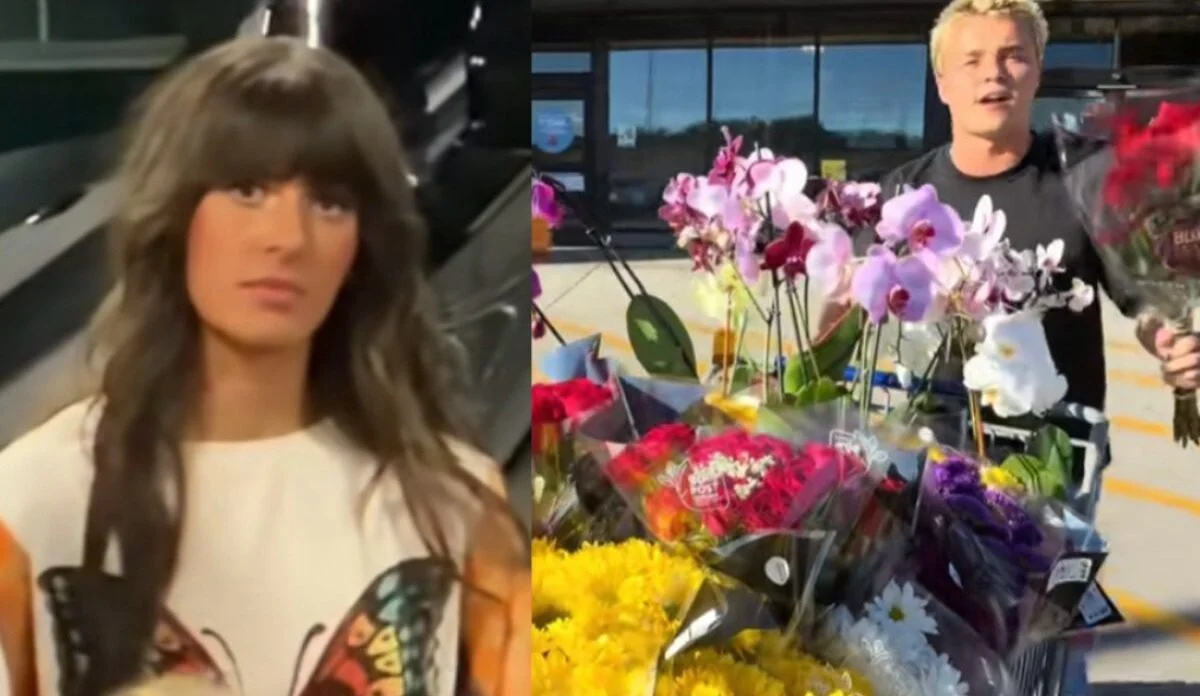
Country music sensation Ella Langley has addressed a viral social media interaction that quickly escalated into a widespread digital debate regarding the boundaries between rising music stars and their loyal fanbases. The controversy centers on a TikTok video filmed outside a parking garage, featuring a content creator attempting to secure a date through social media metrics. The incident has since ignited broader conversations surrounding modern celebrity culture, public harassment, and the delicate navigation of parasocial relationships in the digital age.
The Genesis of the Viral Encounter
The viral exchange began outside a venue parking structure where content creator and streamer Tiki, known online by his handle @tikibeen1, caught sight of the country music star. Capitalizing on the moment for social media engagement, the creator shouted a question toward Langley: “Ella, how many likes to take you on a date?”
Langley, caught off-guard during a private moment, delivered a sharp, deadpan response: “There’s not enough in the world.”
The creator immediately turned to his camera, laughing off the dismissal with the quip, “You miss 100% of the shots you don’t take.” The interaction was subsequently uploaded to TikTok, where it rapidly gained traction, accumulating more than three million views within days. The video’s virality divided the internet, drawing starkly contrasting opinions from online commentators regarding Langley’s tone and the appropriateness of the fan’s public approach.
Chronology of Events and Escalation
Following the initial upload, the timeline of the digital discourse evolved rapidly across multiple platforms:
- Initial Posting: Content creator Tiki uploads the parking garage interaction to TikTok, initiating massive digital engagement.
- Viral Spread: Within 48 hours, the video surpasses three million views, generating thousands of comments criticizing and defending Langley’s demeanor.
- Artist Response: Facing mounting commentary, Ella Langley takes to the comment section to clarify her remarks, citing dark humor and the challenges of maintaining personal boundaries.
- Follow-Up Content: Undeterred by the initial rejection, Tiki posts a follow-up video featuring a substantial purchase of floral arrangements, asking for concert access and a hug instead of a date.
- Industry Developments: Amid the online noise, attention simultaneously surrounds Langley’s professional trajectory, including upcoming collaborative work and rumored romantic ties within the country music community.
Artist Clarification and the Reality of Parasocial Dynamics
As criticism mounted regarding her perceived coldness, Langley intervened in the comment section of the viral video to provide context. The singer explained that her remark was intended as dark humor, though she conceded that her facial expression failed to convey irony. Furthermore, she emphasized the human element behind celebrity status, noting that genuine personal connections require significantly more than algorithmic validation on social media.
“This was definitely meant as dark humor, and it obviously didn’t land due to my face,” Langley wrote. “I will say, it takes more than likes on a TikTok. I’m still a human.”
Industry analysts and cultural commentators have pointed out that artists frequently face a double-edged sword when engaging with fan communities. Langley’s dedicated male fanbase, affectionately self-identifying as “Ella Fellas,” generally operates in a spirit of camaraderie and lighthearted support. However, public ambushes in non-public spaces like parking garages blur the boundaries between professional availability and personal privacy, challenging artists to balance accessibility with necessary personal boundaries.
The Fan Response and Media Pivot
Rather than retreating from the public eye following the widespread backlash, the content creator responsible for the initial video embraced the attention, escalating his public campaign in a lighthearted manner. In a subsequent TikTok post, Tiki addressed Langley directly, showcasing a massive quantity of flowers intended to offset the rejection.
“Ella, you said there’s no amount of likes in the world that could get me to take you on a date, I hope this amount of flowers is enough,” Tiki stated in the follow-up video. “And if not, let me come to your concert and at least just give you a hug. I’m an Ella Fella forever, I love you.”
The pivot from asking for a date to requesting concert access and expressing enduring fandom neutralized much of the immediate online hostility, transforming a controversial public interaction into a humorous masterclass in internet longevity. Neither Langley nor her management team has issued further formal statements regarding the floral delivery, maintaining focus on her burgeoning music career.
Broader Industry Context and Upcoming Releases
While social media algorithms continue to churn out commentary regarding the parking garage exchange, Langley’s primary focus remains firmly fixed on her professional output within the country music landscape. Industry insiders note that Langley has recently been spotted in the company of fellow country artist Tucker Wetmore, sparking widespread speculation across entertainment media regarding a potential romantic relationship between the two rising stars.
Professionally, Langley’s momentum is at an all-time high. She is currently slated to appear on acclaimed singer-songwriter Miranda Lambert’s highly anticipated upcoming album, Crisco, scheduled for release on Friday. Langley is featured on the track “Snakeskin Boots,” a stylistic departure that blends disco elements with traditional western themes, showcasing her versatility as a vocalist and songwriter.
Implications for Celebrity Culture in the Digital Age
The incident involving Langley and her fan serves as a case study in the modern intersection of social media clout-chasing and celebrity privacy. As platforms like TikTok continue to incentivize public stunts for algorithmic visibility, artists are increasingly forced to navigate unscripted, public encounters while under constant digital surveillance.
The widespread public discourse highlights an ongoing cultural education process regarding consent, physical boundaries, and the human cost of modern fandom. While viral moments often fade as quickly as they emerge, the underlying tensions between public accessibility and personal autonomy will likely remain a central discussion point for artists navigating the digital frontier.