Johan Budi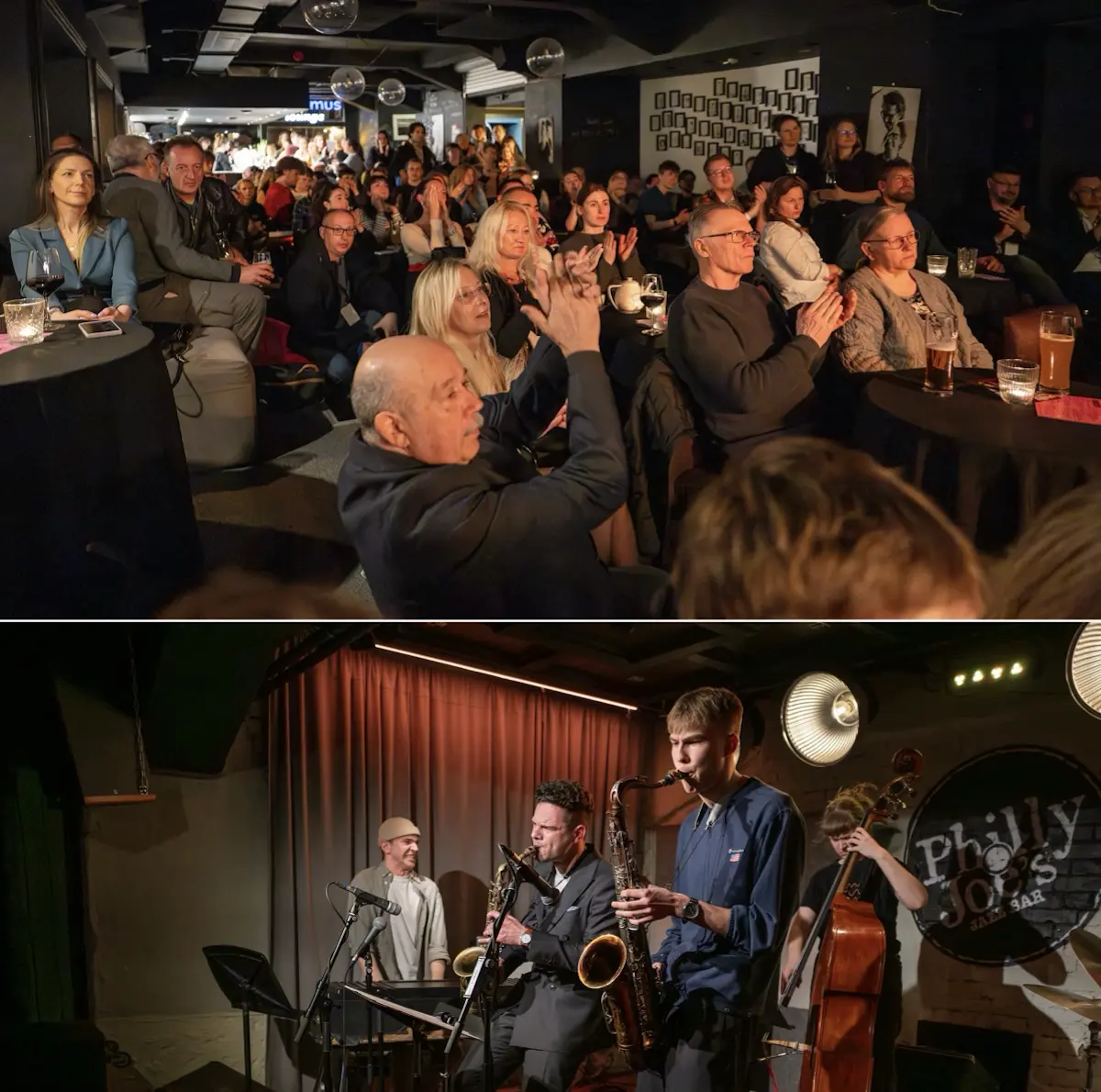
The 36th edition of the Jazzkaar Festival has concluded in Tallinn, Estonia, further solidifying its reputation as one of Northern Europe’s most essential and boundary-pushing jazz gatherings. Held from April 25 to May 2, 2026, the week-long event showcased a diverse array of international and local talent, drawing audiences from across the continent to the Baltic capital. Founded in 1990 by the tireless Anne Erm, Jazzkaar has evolved from a local celebration into a cornerstone of the European jazz circuit, characterized by its refusal to be confined by traditional genre definitions. This year’s programming continued that legacy, offering a curated blend of avant-garde experimentation, world-music fusion, and high-energy funk.
The Evolution of Jazzkaar and the Vision of Anne Erm
Since its inception during the pivotal era of Estonian independence, Jazzkaar has been more than just a music festival; it has served as a cultural bridge between the Baltic region and the global stage. Anne Erm, who has remained the festival’s artistic director for over three decades, has consistently prioritized a "broad church" approach to jazz. This philosophy was evident throughout the 36th edition, which balanced legendary figures of the genre with emerging voices pushing into electronic, folk, and classical territories.
The festival’s success is reflected in its sustained growth. Historically, Jazzkaar attracts over 20,000 attendees annually, utilizing a variety of venues that showcase Tallinn’s architectural and cultural diversity. The 2026 edition saw a significant emphasis on the Telliskivi Creative City, a former Soviet-era industrial complex that has been repurposed into a vibrant district of galleries, studios, and performance spaces. By centering the festival in this "creative city," organizers have successfully aligned the music with the modern, innovative spirit of Estonia’s capital.
A Study in Contrasts: From Intimate Dialogues to Flamenco Fusion
The second day of the festival provided a masterclass in stylistic diversity, illustrating the festival’s ability to pivot between vastly different sonic landscapes. At the Von Krahl Hall, a venue known for its excellent acoustics and intimate atmosphere, the legendary American guitarist Bill Frisell performed alongside violist Eyvind Kang. Frisell, whose career spans four decades and includes collaborations with artists ranging from John Zorn to Elvis Costello, brought his signature "Americana-jazz" sensibility to the stage.
The duo engaged in a subtle, almost telepathic musical dialogue. Moving between Frisell’s original compositions and reimagined standards, the performance was characterized by its use of space and silence. This contemplative atmosphere provided a stark contrast to the evening’s later events.
As the sun set over the Telliskivi district, the energy shifted toward the vibrant sounds of the Iberian Peninsula. Saxophonist and vocalist Antonio Lizana, a native of Cádiz, Spain, brought his quintet to Tallinn to conclude their latest international tour. Lizana is a leading figure in the "New Flamenco" movement, a genre that blends the rhythmic complexity of traditional flamenco with the improvisational freedom of contemporary jazz. Accompanied by the dancer El Mawi, Lizana’s performance was an electric display of Andalusian soul. The integration of El Mawi’s percussive footwork with the band’s sophisticated arrangements created a visceral experience that resonated deeply with the Estonian audience, demonstrating the universal appeal of rhythm and movement.
Nordic Roots and the Cinematic Influence of the Baltic
On Tuesday, the festival’s focus shifted toward the north, exploring the shared cultural heritage of the Baltic and Nordic regions. Estonian saxophonist Villu Veski, a veteran of the local scene, premiered a new project featuring Danish vocalist Katrina Petersen. The repertoire was heavily influenced by Petersen’s Faroese roots, with many of the songs performed in the Faroese language—a North Germanic tongue spoken by fewer than 80,000 people worldwide.
The performance at Fotografiska, Tallinn’s renowned photography museum and concert venue, took on an ethereal, almost mythological quality. The ensemble was expanded by the inclusion of the 25-member Satro Shaman Drums Orchestra. The collective sound was immersive, characterized by hypnotic, repetitive rhythms and guttural vocal chants. The sheer scale of the performance challenged the physical limits of the Fotografiska stage, creating a cinematic atmosphere that many critics compared to a Viking-era epic. This particular concert highlighted Jazzkaar’s commitment to exploring regional identities and the ways in which traditional folk elements can be modernized through the lens of jazz improvisation.
High-Octane Modernism and the Reach of Kneebody
While the Nordic performances focused on atmosphere and heritage, the American quartet Kneebody brought a different kind of intensity to Von Krahl Hall. Touring in support of their new album Reach, the group delivered an 80-minute set that was relentless in its technical demands and rhythmic complexity. Kneebody, known for their "post-bop meets indie-rock" sound, pushed the boundaries of ensemble playing.
A standout element of the performance was the work of Nate Wood, a multi-instrumentalist who famously plays drums and bass simultaneously. Wood’s ability to anchor the band’s complex time signatures while providing melodic counterpoints on the bass is a feat of coordination that remains a rarity in the jazz world. The performance was physically demanding for both the musicians and the audience, leaving a lasting impression of the high level of virtuosity currently defining the American modern jazz scene.
Genre-Defying Chamber Jazz and the Intimacy of the Jam Session
In a strategic contrast to the high-volume sets of the main stages, Jazzkaar also curated refined chamber-style performances. At Fotografiska, amidst an exhibition by the celebrated Dutch photographer and filmmaker Anton Corbijn, a quartet of Estonian musicians delivered a performance that blurred the lines between classical music and jazz. Featuring Peedu Kass (double bass), Villu Talsi (mandolin), Theodor Sink (cello), and Simone Minn (viola), the ensemble utilized an unconventional instrumentation to create a sound that was both sophisticated and accessible.
The festival’s social heart, however, remained at Philly Joe’s Jazz Bar. Located in Tallinn’s city center, the club is a staple of the European jazz community and frequently appears on lists of the world’s top jazz venues. The vaulted cellar of the bar hosted nightly jam sessions, where festival headliners and local players mingled in an informal setting. These sessions are a vital part of the Jazzkaar ecosystem, fostering professional connections and spontaneous creativity that often lead to future international collaborations.
One of the most talked-about performances of the final days was that of Kennedy Administration. Led by the powerhouse vocalist Kennedy, the group offered a high-energy blend of funk, soul, and R&B. Kennedy’s commanding stage presence and the band’s infectious grooves provided a sense of communal celebration. Her playful remark to the audience—positioning herself as their "president for the night"—served as a lighthearted but effective counterpoint to the contemporary political climate, emphasizing the role of music as a space for joy and unity.
Economic Impact and the Path Toward jazzahead! 2027
The 36th Jazzkaar Festival occurs at a critical juncture for the Estonian music industry. The festival is a significant contributor to Tallinn’s cultural tourism, with a notable percentage of ticket sales originating from international visitors, particularly from Finland, Latvia, and Germany. The economic ripple effect extends to the hospitality and service sectors, cementing the festival’s status as a key event in the national cultural calendar.
Looking forward, the Estonian jazz scene is preparing for a landmark year in 2027. The Baltic region—comprising Estonia, Latvia, and Lithuania—has been designated as the partner region for jazzahead!, the world’s largest jazz trade fair held annually in Bremen, Germany. This partnership will provide unprecedented global exposure for Baltic musicians and promoters.
Industry analysts suggest that the success of the 36th Jazzkaar serves as a successful "proof of concept" for this upcoming international spotlight. The festival’s ability to host world-class talent while maintaining a distinct regional identity suggests that Tallinn is well-positioned to lead the Baltic jazz movement into a new era of global prominence.
Conclusion: A Destination Realized
As the final notes of the 2026 festival faded, the consensus among attendees and critics was one of overwhelming success. Jazzkaar has managed to do what few festivals of its age achieve: it has remained relevant by constantly evolving while staying true to its core mission of artistic excellence. From the intimate strings of Bill Frisell to the thunderous drums of the Satro Orchestra, the 36th edition was a testament to the enduring power of jazz as a living, breathing art form.
Tallinn, with its unique blend of medieval history and industrial modernism, has proven to be the perfect backdrop for this exploration. As the festival looks toward its 37th year and the looming international opportunities of 2027, it is clear that Jazzkaar is no longer just a regional gem—it is a global destination for anyone seeking the cutting edge of contemporary music.