 Jia Lissa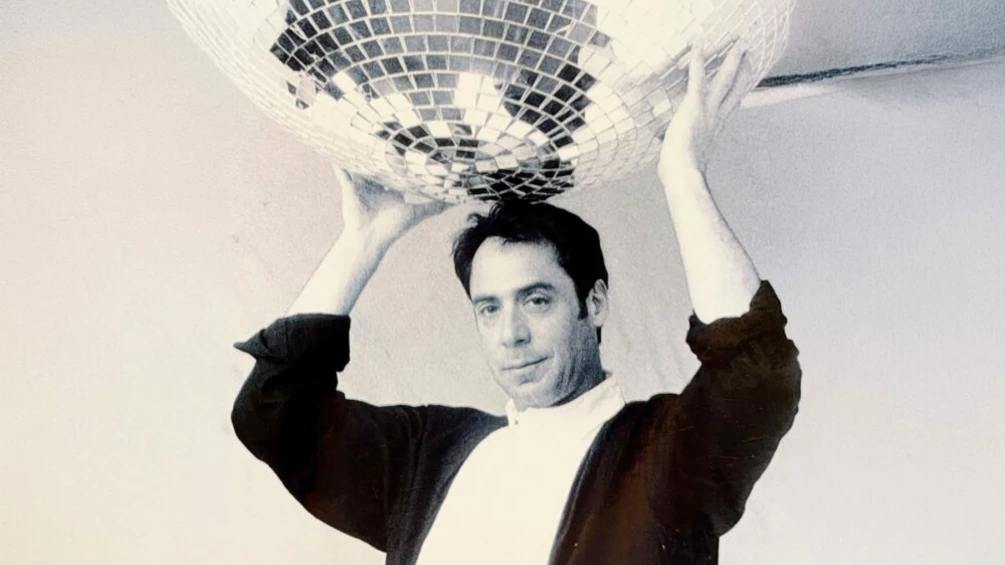
The San Francisco nightlife community is mourning the loss of Ira Sandler, the revered owner and founder of the seminal nightclub 1015 Folsom, who passed away at the age of 73. News of Sandler’s death was publicly announced on Monday, June 1st, through a heartfelt tribute posted on the venue’s official Instagram account. The statement lauded Sandler as a "beloved friend, brother, and impresario," underscoring his profound impact on countless lives and the city’s vibrant cultural landscape. While an official cause of death was not immediately released by the club, Yolanda Edwards, a long-time friend of Sandler’s, indicated on her personal Instagram account that she had been informed he succumbed to a heart attack.
For over four decades, Ira Sandler was inextricably linked with 1015 Folsom, a legendary establishment he not only founded but passionately nurtured into a cornerstone of global electronic music. The club’s poignant statement captured the essence of his character: "He was a true original, an icon, a man of kindness and humour." Beyond his entrepreneurial spirit, Sandler was celebrated for his unparalleled generosity and a keen eye for talent. "What made Ira special was not just his vision, but his generosity," the tribute continued. "He gave opportunities to artists before anyone else believed in them. He supported locals, nurtured creative communities, and welcomed people from every walk of life. He dedicated his life to creating spaces where people could thrive and be themselves." This ethos established 1015 Folsom as more than just a venue; it became a sanctuary for artistic expression and a melting pot for diverse communities.
A Legacy Forged in Sound: The Genesis of 1015 Folsom
Ira Sandler’s journey as a veteran of San Francisco’s dynamic nightlife scene began decades before the advent of mainstream electronic dance music. He was a figure deeply entrenched in the city’s counter-cultural movements, understanding intrinsically the need for spaces where music and community could converge. In 1986, Sandler channeled this understanding and his entrepreneurial drive into establishing a new venue, initially christened Das Klub. Located in the then-industrial, burgeoning South of Market (SoMa) district, Das Klub quickly gained traction, tapping into a nascent scene hungry for new sounds and experiences.
Just three years later, recognizing the evolving landscape of music and the expanding possibilities, Sandler strategically rebranded Das Klub to its enduring name, 1015 Folsom. This transition marked a pivotal moment, coinciding with the global explosion of house and techno music. Under Sandler’s astute stewardship, 1015 Folsom swiftly transformed into a veritable mecca for electronic music enthusiasts. Throughout the late 1980s and the entirety of the 1990s, the club became synonymous with groundbreaking house and techno parties, drawing in both local talent and international luminaries who would define the genre for generations. It wasn’t merely a place to hear music; it was a cultural crucible where sounds were experimented with, trends were set, and unforgettable nights unfolded.
The Impresario’s Vision: Cultivating Community and Innovation
Sandler’s vision extended far beyond merely booking popular acts. He possessed an innate ability to identify emerging talent and provide them with a platform, often long before they achieved widespread recognition. This commitment to nurturing artists, particularly local ones, cemented 1015 Folsom’s reputation as a vital incubator for creative communities. In an industry often driven by commercial interests, Sandler prioritized artistic integrity and community building. His generosity wasn’t just financial; it was a generosity of spirit, creating an environment where risks could be taken, and authenticity was celebrated.
This philosophy was crucial during a transformative period for electronic music. As the genre grew from underground roots to a global phenomenon, 1015 Folsom maintained its commitment to cutting-edge sounds and diverse programming. The club’s multi-room layout allowed for simultaneous exploration of various electronic sub-genres, catering to a wide array of tastes and fostering a sense of discovery for its patrons. This dedication to diverse programming and artist development distinguished 1015 Folsom from many of its contemporaries, ensuring its longevity and deep resonance within the music community. Sandler understood that a truly influential club was one that reflected and shaped its surrounding culture, rather than merely catering to passing trends.
San Francisco’s Electronic Pulse: 1015 Folsom’s Enduring Influence
For nearly four decades, 1015 Folsom has not only survived but thrived, adapting to shifts in musical tastes and economic climates, a testament to the robust foundation laid by Ira Sandler. Today, it remains one of San Francisco’s most enduring and influential electronic music venues, continuing to attract world-renowned artists and a dedicated following. Its enduring presence underscores the critical role independent venues play in the cultural fabric of major cities.
The list of performers who have graced 1015 Folsom’s stages reads like a who’s who of electronic music history, spanning pioneers of the past and contemporary titans. Recent years have seen performances from highly respected figures such as Honey Dijon, known for her vibrant house sets and advocacy; Bicep, the acclaimed Northern Irish duo celebrated for their innovative productions; LP Giobbi, a pianist and producer blending house with classical elements; and Chris Liebing, a techno veteran whose dark, driving sound has defined the genre for decades. These artists, along with countless others, have found a welcoming and technologically advanced space at 1015 Folsom to connect with their audience.
The club’s influence extends beyond its immediate walls. It has served as a cultural anchor in the SoMa district, which itself has undergone significant transformation from an industrial zone to a bustling urban center. 1015 Folsom’s sustained success has contributed to the district’s reputation as a nightlife hub, drawing visitors and generating economic activity. In an era where many independent music venues struggle against rising rents, changing consumer habits, and regulatory challenges, 1015 Folsom’s continued vitality stands as a powerful testament to the enduring power of a well-curated, community-focused establishment.
Tributes and the Outpouring of Grief
The announcement of Ira Sandler’s passing unleashed a wave of grief and heartfelt tributes across social media platforms and within the broader music industry. Artists, promoters, club staff, and countless patrons who experienced the magic of 1015 Folsom under his leadership shared anecdotes and expressions of gratitude. The sentiment was universal: Sandler was not just a club owner but a mentor, a friend, and a crucial figure who shaped the lives and careers of many.
Many recalled his humble demeanor, his accessibility, and his genuine interest in people. Stories emerged of Sandler taking a chance on unknown DJs, providing a safe space for marginalized communities, and consistently investing back into the club and its people. These personal testimonies painted a picture of a man whose impact transcended business, fostering a sense of belonging and artistic freedom that became a hallmark of 1015 Folsom. The collective outpouring underscored the deep personal connection many felt to Sandler and the institution he built. His passing marks not just the loss of an industry veteran, but the departure of a genuine cultural architect whose influence resonated far beyond the confines of his venue.
The Broader Impact: Preserving Nightlife Culture
Ira Sandler’s life and work at 1015 Folsom offer a compelling case study in the importance of independent nightlife venues. In an increasingly homogenized entertainment landscape, clubs like 1015 Folsom provide essential spaces for cultural innovation, community building, and artistic expression. They serve as crucibles where new genres are forged, emerging artists find their voice, and diverse groups of people can connect through the universal language of music.
The challenges facing such venues are manifold, from the financial pressures of operating in major urban centers to navigating evolving social dynamics and technological shifts. Sandler’s ability to maintain 1015 Folsom’s relevance and vibrancy for nearly 40 years speaks volumes about his adaptability, foresight, and unwavering dedication to his craft. His legacy serves as an inspiration for current and future club owners and promoters, highlighting the enduring value of authenticity, community engagement, and a genuine passion for music. The loss of figures like Sandler often prompts a broader reflection on how cities can better support and preserve these vital cultural institutions.
A Future Honoring the Past
In the wake of this profound loss, 1015 Folsom has confirmed its intention to host a dedicated celebration of Ira Sandler’s life in the near future. Details regarding this event are anticipated to be announced at a later date, providing an opportunity for the vast community touched by his work to come together, share memories, and honor his immense contributions. This upcoming tribute will undoubtedly serve as a testament to the indelible mark Sandler left on San Francisco’s nightlife and the global electronic music scene.
Ira Sandler’s passing represents the end of an era for many who knew him and experienced the magic he created. Yet, his legacy is not merely one of memory; it is a living, breathing testament to the power of vision, generosity, and an unyielding commitment to fostering creativity. 1015 Folsom, under his foundational influence, will continue to stand as a vibrant monument to a man who truly understood the soul of music and the spirit of community, ensuring that his impact resonates for generations to come. His pioneering work helped define a pivotal period in electronic music, establishing a cultural touchstone that remains as relevant and revered today as it was in its formative years.