Muhammad Ibadurrohman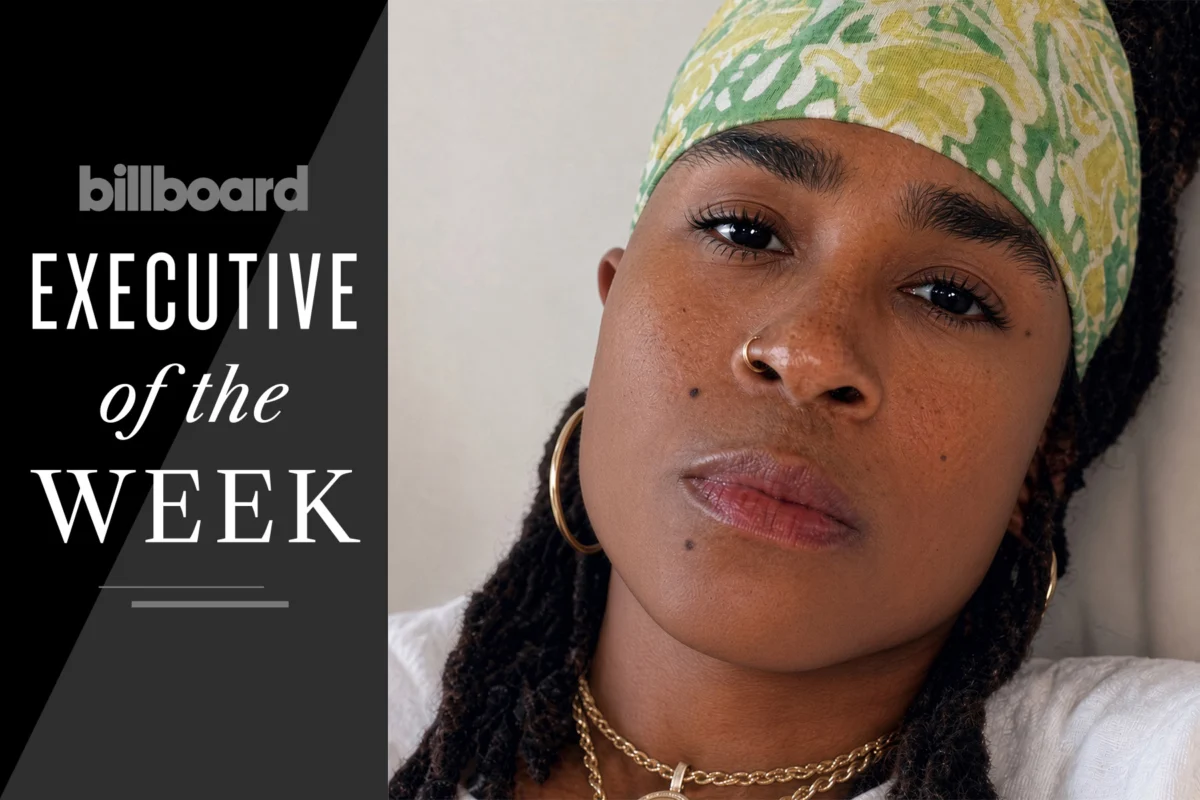
The landscape of modern music marketing shifted dramatically this September when R&B luminary Jhené Aiko achieved a career milestone that had eluded her for over a decade. On September 11, 2026, the California-born singer-songwriter released her sixth studio album, Westside Whimsy, with only three days of public notice. The strategic, albeit unconventional, rollout culminated in the project debuting at No. 1 on the Billboard 200 for the tracking week ending September 17, 2026. With 74,000 equivalent album units moved in the United States, Aiko not only secured her first chart-topping album but also signaled a significant shift in how legacy R&B artists are engaging with digital-era consumption patterns.
A Chronology of the Westside Whimsy Campaign
The trajectory of the album’s success was rapid, defying the traditional, months-long promotional cycles that have become the industry standard. On September 8, 2026, Aiko utilized her social media platforms to announce the existence and the imminent arrival of Westside Whimsy. The announcement caught industry analysts and fans off guard, as the artist had been largely absent from the major-label album release cycle since the 2020 debut of her critically acclaimed project, Chilombo.
By September 11, the album was available on all major streaming platforms. The impact was immediate, with high-velocity streaming numbers and digital sales propelling the project to the summit of the Billboard 200 within just six days of availability. This condensed timeline effectively bypassed the "leaks" and over-saturation that often plague longer rollout periods, allowing the listener experience to remain untarnished by excessive pre-release marketing discourse.
Contextualizing the Six-Year Hiatus
The success of Westside Whimsy is particularly notable given the duration of Aiko’s absence from the spotlight. Her last major studio effort, 2020’s Chilombo, served as a defining moment in her career, earning an Album of the Year nomination at the 2021 Grammy Awards and cementing her status as a titan of contemporary R&B.
Ketrina "Taz" Askew, Aiko’s longtime manager and the founder of ArtClub International, characterizes the six-year gap not as a strategic marketing retreat, but as a period of organic personal development. For Aiko, the time away was defined by the demands of motherhood and a desire to move at a pace that prioritized artistic integrity over industrial output. This approach, while risky in an industry that often demands constant content creation, allowed Aiko to return with a project that felt both anticipated and essential. The six-year break, rather than eroding her fan base, appears to have deepened the connection, as evidenced by the high engagement rates during the album’s first week.

Data and Performance Analysis
The performance of Westside Whimsy represents a landmark for the R&B genre in 2026. It stands as the first album by a female R&B artist to reach the No. 1 spot on the Billboard 200 this year, and the first to achieve this feat since SZA’s SOS concluded its historic 13-week run in May 2025.
The 74,000 equivalent album units were driven primarily by streaming volume, reflecting a shift in how Aiko’s core audience interacts with her music. While physical sales remain a component of her overall strategy, the dominance of streaming platforms in the R&B space suggests that Aiko’s catalog-building approach—creating "evergreen" songs that retain listenability over several years—has successfully transitioned into a winning strategy for her latest release. Furthermore, the album marks her sixth top 10 appearance on the Billboard 200, a streak that began with her 2013 debut project, Sail Out.
The Management Philosophy of Ketrina "Taz" Askew
Central to this success is the management style of Ketrina "Taz" Askew. As a veteran executive, Askew has cultivated an approach that focuses on "enhancing and amplifying" an artist’s natural tendencies rather than forcing them into predetermined marketing templates. When asked about the decision to pivot toward a surprise, short-notice release, Askew noted that the move was largely intuitive.
"Sometimes you can overthink a rollout," Askew stated in a recent interview. "We just went with the flow and decided to let the music speak for itself."
This philosophy underscores a broader trend in the music industry: the "less is more" approach. By removing the months of pre-release hype, Askew and the ArtClub team avoided the potential for audience fatigue. For managers of legacy artists, this presents a viable alternative to the aggressive, algorithm-chasing promotional tactics that characterize much of the current pop landscape. By trusting the strength of the music to drive the conversation, Askew has effectively positioned Aiko for long-term viability rather than a flash-in-the-pan success.
Broader Implications for the R&B Genre
The success of Westside Whimsy serves as a litmus test for the state of R&B in 2026. For several years, industry pundits have debated whether R&B is losing its footprint in the mainstream charts. Aiko’s performance proves that, when authenticity is prioritized, the genre retains a powerful and dedicated audience.

Askew attributes the success of the album to its relatability and the emotional honesty that Aiko embeds in her songwriting. "There’s an honesty in her music that allows people to see themselves in it," Askew explained. "I feel like we’re making our way back to authenticity."
This sentiment is echoed by many in the industry who observe that listeners are increasingly gravitating toward projects that feel intimate and grounded, rather than those manufactured for viral social media moments. The ability of a veteran artist to command the No. 1 spot without a massive, multi-platform promotional blitz suggests that the power of an established brand, paired with high-quality, authentic songwriting, remains the most potent tool in the industry.
Future Outlook and Strategic Campaign Expansion
Following the initial surge of the debut week, the focus for Aiko and her management team has transitioned toward sustainability. Rather than resting on the success of the debut, the strategy moving forward involves a multi-pronged approach that includes the continued promotion of individual tracks, the rollout of high-concept visuals, and the eventual transition into a live tour.
When questioned about the potential for further accolades, specifically regarding the upcoming Grammy cycle, Askew remains grounded. While acknowledging the significance of Aiko’s previous nominations, she emphasizes a focus on the work itself rather than the industry awards circuit. "Hoping for the best," Askew said. "Really don’t have any expectations."
The immediate roadmap for Westside Whimsy includes aggressive engagement across various digital spaces, ensuring that the album reaches audiences beyond the initial, loyal fan base. As the project settles into its place on the charts, the focus will likely shift to international expansion and the cultivation of long-term streaming performance.
Conclusion
The journey of Westside Whimsy from a surprise announcement to a chart-topping powerhouse serves as a case study for modern artist development. It highlights the importance of artistic autonomy, the necessity of patience, and the effectiveness of letting the music dictate the momentum. For Jhené Aiko, the success of this album is not merely a numbers game; it is a validation of a career built on consistent artistic growth and a deep, empathetic connection with her listeners. As the industry looks toward the remainder of 2026, the success of this project serves as a compelling reminder that in an era of constant noise, sometimes the most effective strategy is to let the music do the talking.