Mia Khoirunisa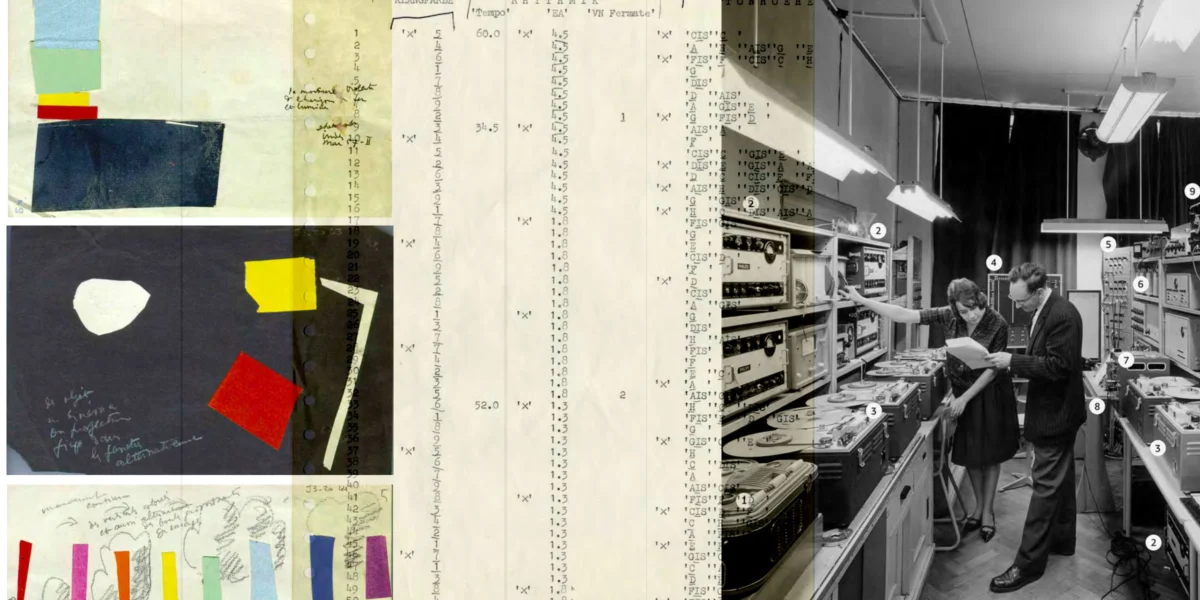
Kees Tazelaar’s seminal work, On the Threshold of Beauty: Philips and the Origins of Electronic Music in the Netherlands, 1925-1965, offers an unparalleled deep dive into a crucial, yet often overlooked, epoch of sonic innovation. Originally published in November 2013 and significantly revised into a digital edition in October 2020, this comprehensive study is now available as a free download, presenting a wealth of information for historians, musicians, engineers, and enthusiasts of electronic music and technological advancement. The book, a testament to the pioneering spirit of Dutch institutions and individuals, meticulously documents the fertile ground from which modern electronic soundscapes began to emerge.
The genesis of this historical exploration lies in the groundbreaking work undertaken at Philips, a Dutch multinational corporation renowned for its technological prowess. The period between 1925 and 1965 witnessed a remarkable convergence of scientific research, artistic experimentation, and commercial enterprise, all centered around the nascent field of electronic sound. Tazelaar’s research begins at the very foundations, delving into the early investigations at Philips that laid the groundwork for stereophonic sound, advancements in radio and film audio, and the creation of truly novel acoustic instruments. This era, prior to the widespread recognition of electronic music as a distinct genre, was characterized by a "primordial soup" of ideas, where sound was being re-imagined through the lens of emerging electrical and mechanical technologies.
The Philips Pavilion and the Dawn of Immersive Sound
Central to the narrative is the iconic Philips Pavilion at the 1958 Brussels World’s Fair (Expo 58). This architectural marvel, designed by Iannis Xenakis and featuring a groundbreaking sound installation conceived by Edgar Varèse, served as a powerful showcase for Philips’ technological contributions. The pavilion’s "Poème électronique," a multi-channel audio-visual experience, was a watershed moment in the history of sound art and immersive environments. It demonstrated the potential of electronic sound to transcend traditional musical structures and create entirely new sensory experiences for audiences.
The development of the Philips Pavilion and its sonic centerpiece was not an isolated event but the culmination of decades of research and development. Tazelaar’s book meticulously traces the lineage of these innovations, highlighting inventions such as the Philiolist Loudspeaker Violins, which predate the more widely known electronic synthesizers of the 1960s. These early instruments and experiments, often born from the intersection of engineering and artistic curiosity, explored concepts that would later become foundational to electronic music, including principles of spatialization, reverberation, and what was then termed "ambiophonics" – an early precursor to today’s immersive audio technologies.
Chronology of Innovation: Key Milestones
The period covered by On the Threshold of Beauty is rich with significant developments:
- 1925-1930s: Early research at Philips into acoustics, sound recording, and broadcasting. Exploration of stereophonic principles and novel loudspeaker designs. Inventions like the Philiolist Loudspeaker Violins emerge, showcasing early attempts at electro-acoustic sound generation and manipulation.
- 1940s: Continued theoretical and practical work on sound reproduction and manipulation. The war effort may have influenced research trajectories, but the foundational work for post-war innovation continued.
- 1950s: The golden age of post-war technological optimism. Philips invests heavily in research and development, leading to significant breakthroughs.
- Mid-1950s: Philips begins conceptualizing its presence at the upcoming Brussels World’s Fair.
- 1958: The Philips Pavilion at Expo 58 opens. Edgar Varèse’s "Poème électronique," a revolutionary sound installation, is presented. Iannis Xenakis’s architectural design for the pavilion is inextricably linked to the sonic experience. This event marks a pivotal moment in public awareness of electronic sound and immersive media.
- 1960s: The influence of the Philips Pavilion and the broader trajectory of electronic music development begin to be felt. The foundations laid in this period pave the way for the synthesizer revolution of the late 1960s and 1970s.
Beyond the Philips Pavilion: A Broader Dutch Contribution
While the Philips Pavilion is a prominent landmark, Tazelaar’s work emphasizes that the Dutch contribution to electronic music extends far beyond this singular event. The book meticulously details the less-known composers and researchers from the Netherlands whose work was instrumental in shaping the field. For audiences primarily familiar with the electronic music scenes in the UK, US, France, and Germany, Tazelaar’s research offers a vital corrective, introducing a roster of influential figures and their innovative contributions. This expanded perspective is crucial for a holistic understanding of electronic music’s global evolution.
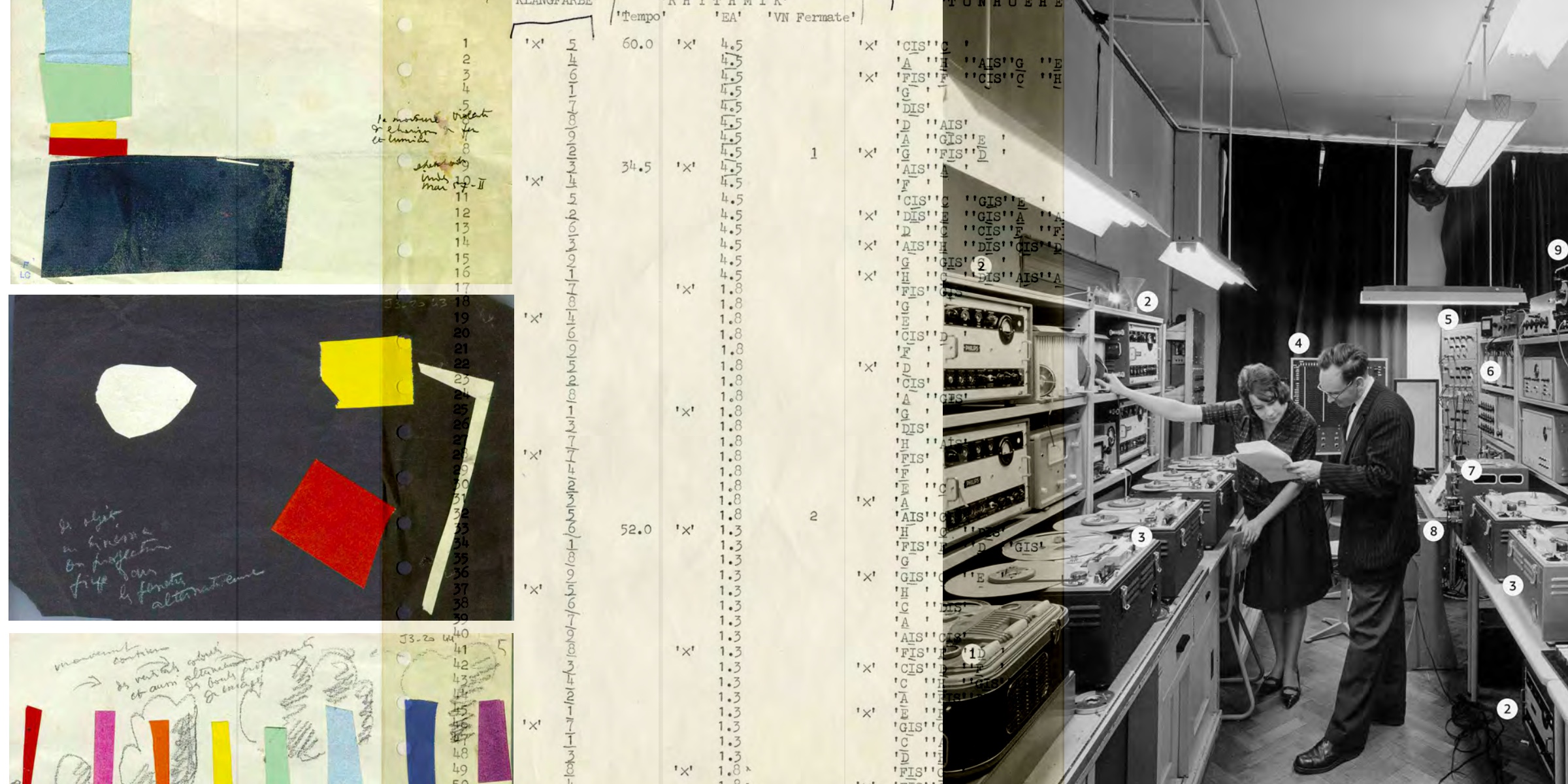
The "gems" unearthed by Tazelaar include not only insights into the work of avant-garde composers like Varèse and Xenakis but also the intricate details of early electronic music production. The book features:
- Musical Scores: Providing a direct look at the compositions themselves, offering insight into their structure and intent.
- Album Details: Documenting the recording and release of early electronic music works, tracing their dissemination and reception.
- Program Code: Revealing the technical underpinnings of early electronic music generation and manipulation, offering a glimpse into the algorithmic and computational aspects of sound creation.
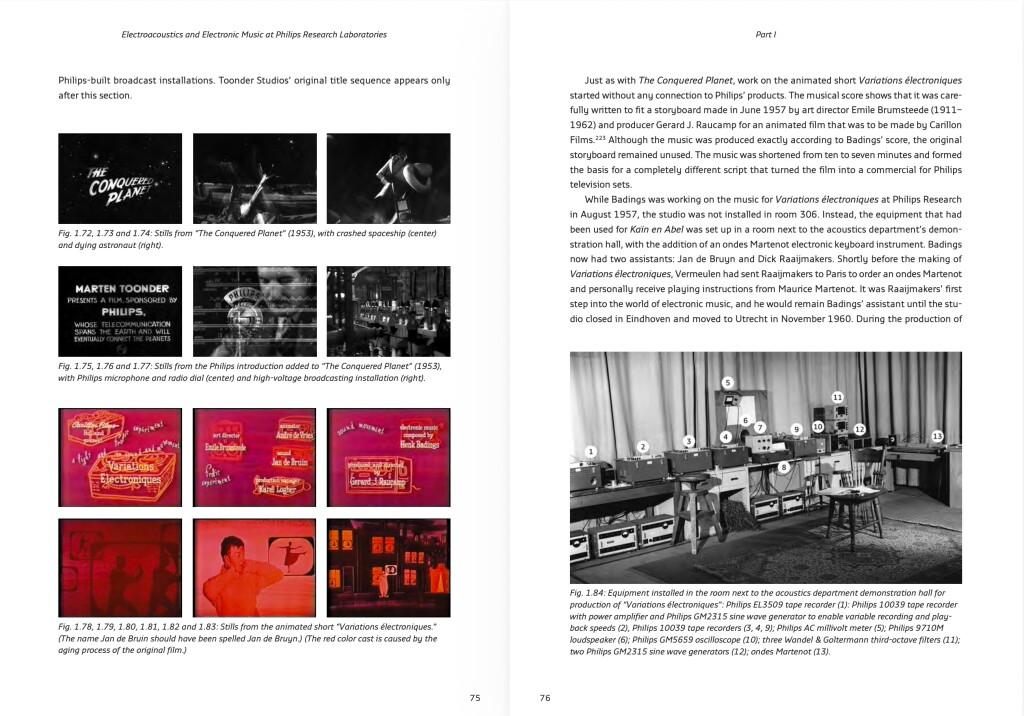
- Archival Imagery: A rich collection of photographs from laboratories, studios, and gear setups, offering visual context to the technological advancements and creative environments of the era.
These elements combine to create a tangible connection to the past, allowing readers to visualize the spaces where these revolutionary sounds were conceived and realized.
Echoes in Modern Technology and Artistic Practice
The historical lessons embedded within On the Threshold of Beauty resonate strongly with contemporary discussions in technology and the arts. Tazelaar highlights how early conceptualizations of "ambiophonics," immersive soundscapes, and the integration of sound into architectural spaces offer valuable perspectives for today’s digital creators. The principles explored in the mid-20th century—how concerts and sound could merge, how sound could be manipulated to create specific emotional or spatial effects, and the very definition of what constitutes a musical performance—continue to inform the development of virtual reality, augmented reality, spatial audio formats, and interactive installations.
The book’s exploration of how sound and architecture were designed to work in tandem, as exemplified by the Philips Pavilion, is particularly relevant as we navigate the design of increasingly complex digital and physical environments. The innovative use of multi-channel sound systems to create a dynamic and enveloping experience in 1958 offers a foundational case study for contemporary immersive audio design, influencing everything from cinematic sound mixing to the creation of interactive art installations.
Companion Resources and Enduring Legacy
Complementing the textual richness of the book is a companion website that features musical illustrations. This integration allows the theoretical discussions to be directly experienced through sound, transforming the reading experience into a multi-sensory exploration. This digital component enhances the accessibility and impact of Tazelaar’s research, making it a truly dynamic resource. The availability of these musical examples underscores the book’s utility for both academic study and practical application, enabling artists and researchers to engage with the sonic legacy directly.
The publication of On the Threshold of Beauty was made possible through the financial support of organizations such as the Société Gavigniès and the Royal Conservatoire in The Hague. The revised digital edition, in particular, received crucial support from the Société Gavigniès and the Konrad Boehmer Foundation, underscoring the commitment of these entities to preserving and disseminating important cultural and historical knowledge. This collaborative effort has ensured that this valuable resource remains accessible to a global audience.
The physical edition of the book is now sold out, making the generously provided revised digital version an invaluable offering. This screen-ready PDF, with a high-resolution version available upon request, ensures that the detailed imagery and extensive content are preserved and accessible.
Connections to Contemporary Media and Cultural Institutions
The design of the book itself is noteworthy. Joke Brouwer, who was responsible for its visual presentation, is a prominent figure in the Dutch new media art scene. As co-founder and adjunct director of V2, the Lab for Unstable Media in Rotterdam, Brouwer has been at the forefront of supporting and showcasing experimental artistic and technological projects for decades. V2 has a distinguished history of curating events, exhibitions, and publications that explore the intersections of art, technology, and society.
Brouwer’s involvement in On the Threshold of Beauty highlights the interconnectedness of historical research and contemporary artistic practice. Her work with V2 has fostered a vibrant ecosystem for innovation, and her design contributions to Tazelaar’s book reflect a deep understanding of how to present complex information in an engaging and aesthetically pleasing manner. The mention of V2‘s ongoing events serves as a reminder that the spirit of experimentation and exploration that characterized the era documented in the book continues to thrive. V2_’s commitment to keeping the "flame going," particularly in an era where cultural funding and artistic freedom are often subject to change, is a testament to its enduring significance.
The rabbit hole that Tazelaar’s work leads down extends to other fascinating projects, such as the "Book for the Unstable Media" from 1992, also associated with V2_. This earlier project reflects a period when cultural funding and artistic freedom across Western Europe were perhaps more robust, and it serves as a historical marker of the ongoing dialogue between technological advancement and artistic expression.
Broader Implications and Future Directions
The comprehensive nature of On the Threshold of Beauty invites reflection on the global history of electronic music and sound art. The author expresses a hope that this kind of detailed historical exploration will inspire further research and discussion on the contributions of various regions, such as Argentina or Japan, to the development of electronic music. By illuminating a crucial chapter in Dutch innovation, the book implicitly calls for a more inclusive and globally aware understanding of music history.
The publication’s detailed listing of credits and funding sources provides transparency and acknowledges the collaborative nature of such scholarly endeavors. It also serves as a reminder of the infrastructure required to support ambitious research projects in the arts and sciences. The fact that a physical edition has sold out, while a revised digital version is freely available, speaks to the evolving landscape of academic publishing and the increasing importance of open access to knowledge.
In conclusion, Kees Tazelaar’s On the Threshold of Beauty is more than just a historical account; it is a vital resource that bridges the past and the present. It illuminates the foundational principles of electronic music and immersive sound through the lens of Dutch innovation, offering profound insights that remain relevant to contemporary technological and artistic practices. Its availability as a free download ensures that this rich history is accessible to all who seek to understand the origins of the sounds that shape our modern world.