Johan Budi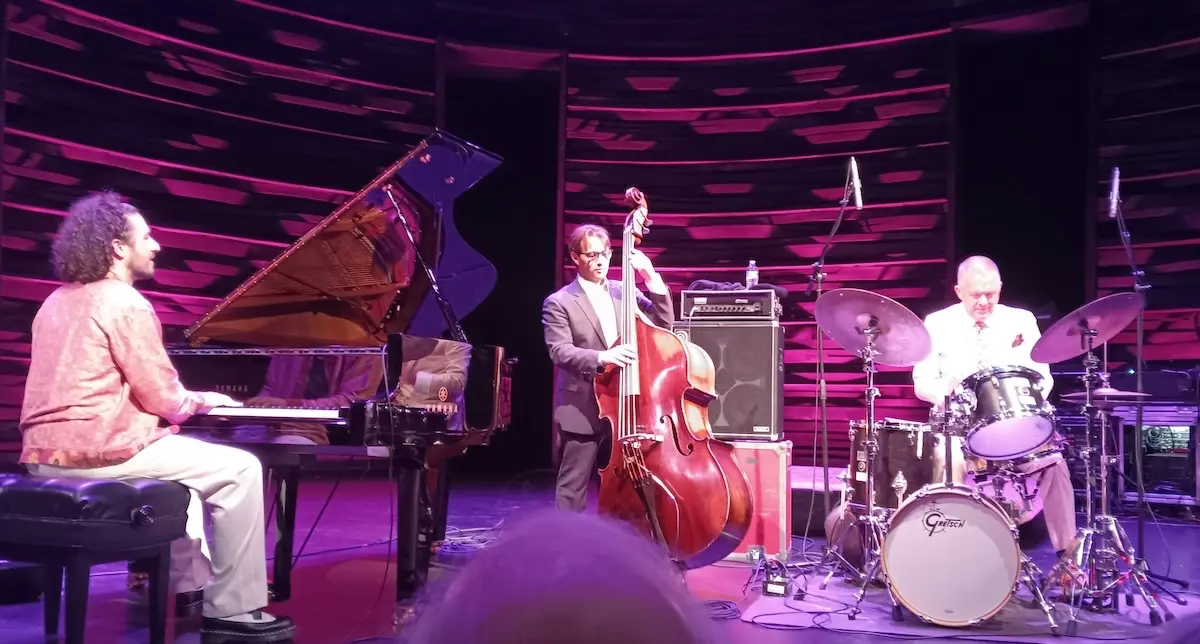
The vibrant waterfront of Washington, D.C., transformed into a global nexus of improvisation, syncopation, and cultural celebration as the DC JazzFest successfully concluded its 22nd annual installment over the Labor Day weekend. Spanning multiple venues across the District with a primary anchor at The Wharf, the milestone festival defied sweltering late-summer temperatures and sporadic torrential downpours to deliver a powerhouse weekend of performances. Drawing tens of thousands of enthusiasts, casual listeners, and industry professionals, the multi-day event reaffirmed its status as a premier fixture on the international festival circuit, standing shoulder-to-shoulder with long-established historical institutions like the Newport Jazz Festival and the Montreal International Jazz Festival.
Main Facts and Festival Scope
The 2026 edition of the DC JazzFest, officially running from September 5 through September 6 with preliminary events peppered throughout the preceding week, utilized five distinct stages to showcase a broad spectrum of sonic artistry. From the intimate acoustics of indoor venues to sprawling outdoor piers along the Potomac River, the festival offered an embarrassment of riches for contemporary music aficionados.
Headlining the logistical and artistic triumph of the weekend was a heavily anticipated, surprise appearance by American music icon Stevie Wonder, which instantly elevated the profile of an already stacked roster. The festival’s programming successfully bridged generational divides, presenting legendary veterans alongside dynamic newcomers. Attendees were forced to navigate difficult scheduling dilemmas, weighing whether to catch the blues-infused delivery of vocal powerhouse Dee Dee Bridgewater at the Arena Stage or pivot to the Transit Pier for the cerebral, post-bop explorations of pianist Orrin Evans.
Beyond the performances themselves, the festival served as a vibrant economic and cultural engine for the nation’s capital. Local restaurants, bars, and retail spaces surrounding The Wharf reported operating at maximum capacity throughout the holiday weekend. Visitors intermingled with neighborhood residents against a backdrop of cooling river breezes, creating an atmosphere of communal engagement that transcended traditional demographic boundaries.
Chronology and Weekend Progression
The trajectory of the festival was marked by a steady crescendo of musical exploration, beginning with early-week educational sessions and community-focused workshops leading up to the main weekend showcase.
As the calendar turned to Saturday, September 5, the festival faced immediate meteorological challenges. A heavy, draining heatwave tested the endurance of both festival staff and patrons. Nevertheless, crowds packed the outdoor corridors of The Wharf, driven by an almost palpable sense of anticipation. The afternoon sets established a high baseline of technical proficiency, culminating in standout performances that pushed the boundaries of traditional genre categorization.
Guitarist Bill Frisell took to the stage on Saturday afternoon, offering a masterclass in his signature European-influenced style—reminiscent of the atmospheric output historically associated with ECM Records. Frisell methodically dismantled conventional melodic expectations, guiding audiences through soundscapes that favored texture and space over rapid-fire execution.
As Sunday evening approached, the festival accelerated toward its grand finale. Pianist Danilo Pérez delivered a mesmerizing masterclass in Latin jazz that stood as a definitive highlight of the weekend. Drawing deeply from his Panamanian heritage while paying homage to foundational architects like Miles Davis and Thelonious Monk, Pérez infused his compositions with staggering technical sophistication and disarming humor. Supported by a world-class trio, Pérez utilized the platform to articulate jazz’s historical and ongoing capacity for cross-cultural unification.
Supporting Data and Demographic Diversity
The programming committee for the 2026 DC JazzFest curated an expansive lineup designed to reflect the multi-faceted evolution of jazz in the twenty-first century. Rather than relying solely on traditional swing or bebop idioms, the festival embraced a sprawling sonic ecosystem that incorporated funk, soul, Latin rhythms, Afro-Cuban traditions, and avant-garde experimentation.
Among the standout structural successes of the festival was the prominent residency granted to pianist Emmet Cohen. Serving as the official artist-in-residence, Cohen anchored multiple sets that underscored the genre’s intergenerational appeal and collaborative ethos. His trio—featuring the seasoned mastery of legendary drummer Joe Farnsworth alongside the virtuosic, 24-year-old bassist Joey Ranieri—demonstrated how historical continuity is maintained through mentorship and mutual respect on the bandstand. The ensemble’s performances were characterized by constant tempo shifts, playful rhythmic interplay, and a seamless fusion of original compositions with reimagined standards.
The breadth of the festival’s artist roster was equally striking:
- Vocal jazz was prominently represented by acclaimed interpreter Kurt Elling alongside rising bebop vocalist Alfred Yun.
- High-energy funk and groove-oriented compositions were delivered by Cory Henry & The Funk Apostles and the Muneer Nasser Quartet.
- Caribbean and Gulf Coast flavors infused the waterfront via Etienne Charles & Creole Soul and the rhythmic stylings of Son Cubano Subterraneo.
- Avant-garde and international perspectives were brought to the fore by artists including Domas Žeromskas, Sakobi, and the African Rhythms Alumni Quintet.
This vast array of talent functioned as an effective discovery engine for attendees. Many festival-goers reported encountering international artists for the first time, expanding mainstream exposure for emerging global talents and diversifying modern listening habits.
Artistic Experimentation vs. Audience Accessibility
While the overwhelming majority of performances were met with enthusiastic critical and public reception, the festival also provided a compelling case study in the ongoing dialogue surrounding artistic experimentation and audience accessibility.
Saxophonist Joshua Redman delivered a performance that sparked lively debate among music critics and seasoned fans alike. Known for his technical brilliance and seamless navigation within ensemble structures, Redman utilized a portion of his set to plunge into raw, emotionally charged sonic territory. His extended solo departed significantly from conventional melodic phrasing, incorporating piercing high registers, intentional feedback, and sharp percussive squeaks.
This brand of avant-garde expression—often categorized as raw emotional performance art—elicited mixed reactions from the audience. While experimental purists praised the uncompromising emotional honesty of the exercise, listeners more accustomed to traditional, lyrical jazz standards found the prolonged dissonance challenging. However, the set demonstrated the festival’s overarching curatorial philosophy: providing a platform where artists are encouraged to take creative risks. Redman subsequently anchored the remainder of his performance with a breathtaking, deeply lyrical ballad, seamlessly restoring equilibrium to the set and demonstrating that artistic tension can ultimately yield profound resolution.
Official Responses and Industry Dialogue
Beyond the auditory spectacles occurring on the five stages, the 22nd annual DC JazzFest functioned as an essential forum for industry stakeholders, educators, and artists to discuss the structural health and future trajectory of the genre.
A series of panel discussions and keynote conversations held concurrently with the musical performances focused heavily on the state of music education. Industry leaders voiced unanimous concern regarding the systemic reduction of arts funding and music programs within public school systems across the United States. Speakers emphasized that the long-term survival of jazz as an American art form is inextricably linked to early childhood music education and institutional support.
Representatives from the DC Jazz Festival organization noted that community outreach has remained a core pillar of their mission since the event’s inception over two decades ago. By integrating free community programming, student showcases, and educational masterclasses into the festival’s broader schedule, organizers have actively worked to dismantle economic and social barriers to entry, ensuring that jazz remains accessible to younger, diverse generations of Washington, D.C. residents.
Broader Impact and Implications
As the curtains closed on the 22nd installment of the DC JazzFest, the event’s broader cultural and economic implications became readily apparent. In an era marked by socio-political division and economic uncertainty, large-scale cultural festivals continue to serve vital civic functions. They act as communal gathering spaces where diverse populations can experience shared joy, intellectual stimulation, and emotional resonance.
The festival’s ability to seamlessly integrate global musical traditions—from Panamanian rhythms to European ECM-style minimalism—positions Washington, D.C. not merely as a political capital, but as a thriving hub for international artistic diplomacy. Furthermore, the commercial success of the Labor Day weekend underscores the robust economic viability of live music tourism in the District.
With its 22-year foundation now firmly established, the DC JazzFest is no longer striving to find its footing; it has matured into a self-assured, vital institution. By balancing reverence for jazz luminaries with an aggressive embrace of emerging global innovators and uncompromising sonic experimenters, the festival has mapped out a sustainable blueprint for the future. As fans departed The Wharf carrying newly discovered artists on their playlists and memories of world-class performances, the overarching sentiment of the weekend remained clear: jazz, in all its complex, evolving glory, is not only surviving—it is remarkably, vibrantly alive.