 Lana Akmaluna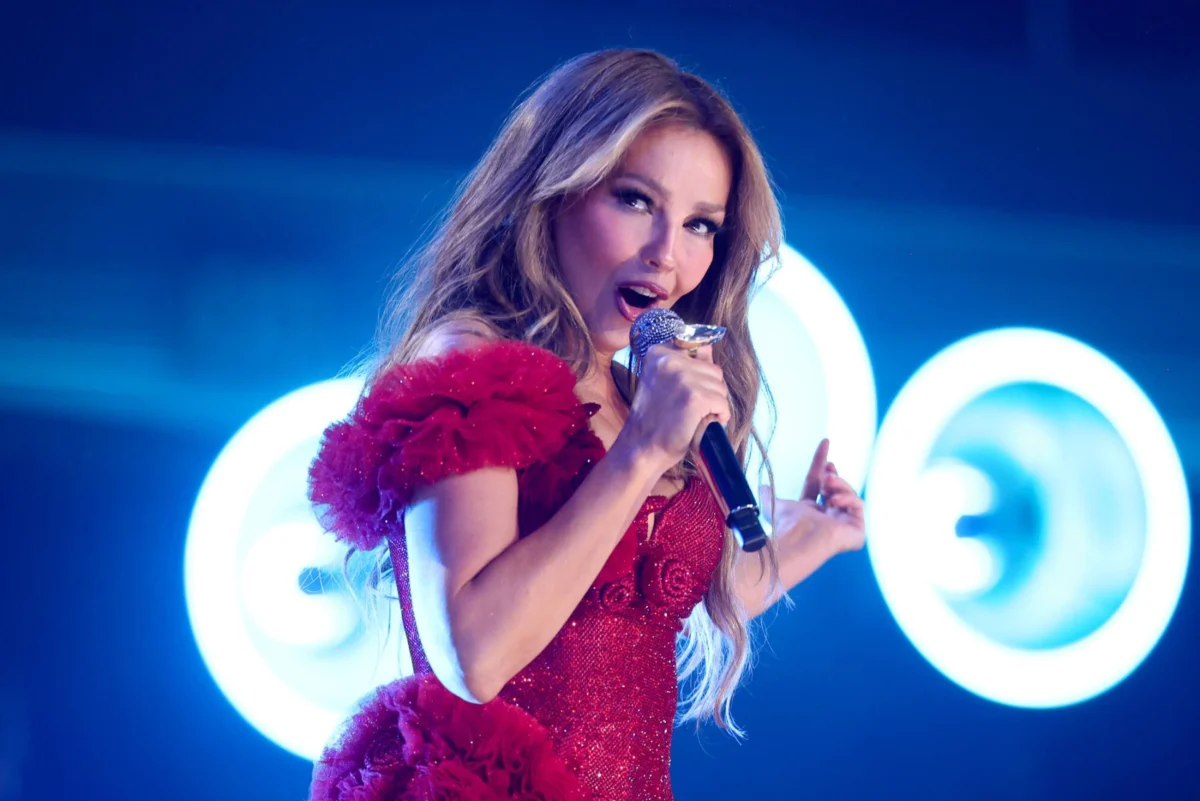
As the United States reflects on its foundational principles of liberty, the Latin music industry—a dominant force in the global cultural landscape—continues to provide a soundtrack for those seeking their own "Independence Day" within their private lives. From the streets of San Juan to the recording studios of Miami and the vibrant pop scenes of Santiago, these selections represent a cross-section of genres and generations, all united by a singular theme: the empowerment of the self.
The Cultural Resonance of Self-Liberation in Latin Music
The selection of these fifteen tracks comes at a pivotal moment for Latin music. According to mid-year industry reports from Luminate, Latin music remains one of the fastest-growing genres in the United States, with streaming numbers consistently outpacing traditional market growth. This commercial success is mirrored by a deepening of lyrical content, as artists increasingly move away from standard romantic tropes toward themes of mental health, social justice, and personal agency.
The concept of "self-liberation" in this context is multifaceted. It involves breaking free from toxic relationships, rejecting societal expectations, and finding the strength to persist in the face of failure. For many Latin artists, this narrative is also tied to their identity as immigrants or descendants of diverse cultures, making the theme of "independence" particularly resonant during the Fourth of July weekend.
Elena Rose: A Manifesto of Resilience
Among the highlights of the playlist is Elena Rose’s latest composition, "Quién Contra Mi." The Miami-based Venezuelan singer-songwriter, who has previously penned hits for global superstars such as Becky G and Rauw Alejandro, has recently transitioned into a powerhouse solo performer. "Quién Contra Mi" serves as a masterclass in the "good part" of a comeback story.
In the track, Rose chants about the lessons learned through hardship, emphasizing that her current success is a result of unwavering faith and perseverance. The lyrics, "Blessings are falling like snowflakes / Now the good part begins / I haven’t lost faith," serve as a reminder that personal independence is often won after a period of struggle. Industry analysts note that Rose’s rise reflects a broader trend of "behind-the-scenes" songwriters reclaiming their voices and asserting their independence from the traditional industry machinery.
Thalía and the Legacy of Individual Expression
The inclusion of Thalía’s cover of "A Quién Le Importa" brings a historical perspective to the playlist. Originally released in 1986 by the Spanish synth-pop group Alaska y Dinarama, the song became a definitive anthem for the LGBTQ+ community and anyone marginalized by societal norms. Thalía’s version, which she performed with renewed vigor at the Billboard Women in Music 2026 event at the Hollywood Palladium, reimagines the track for a modern audience.
The song’s core message—"Who cares what I do? / Who cares what I say?"—is the quintessential declaration of independence. By embracing this track, Thalía highlights the importance of self-expression as a form of liberation. Her performance in Los Angeles in April 2026 underscored her status as a "Global Powerhouse," a title bestowed upon her by Billboard to recognize her decades-long influence on the Latin pop landscape.
Bad Bunny and the Social Dimensions of Freedom
Bad Bunny’s contribution to the list, "Andrea," featuring the Puerto Rican duo Buscabulla, shifts the focus toward the social and safety aspects of independence. As explained by the artist during a 2022 interview with Chente Ydrach, the song is a tribute to a woman’s desire to "grow, be free, be respected, and understood."
"Andrea" gained significant cultural weight following its release on the record-breaking album Un Verano Sin Ti. The track is widely interpreted as a commentary on the struggles women face in Puerto Rico and across Latin America, specifically regarding gender-based violence and the right to live without fear. In this context, independence is not just a personal feeling but a fundamental human right. The collaboration with Buscabulla adds an ethereal, dream-pop layer to the message, suggesting that the dream of freedom is both beautiful and necessary.

Francisca Valenzuela: Celebrating the Evolution of the Self
Chilean-American singer-songwriter Francisca Valenzuela is represented on the list by "SALÚ," a track from her critically acclaimed 2022 album Vida Tan Bonita (Such a Beautiful Life). Valenzuela has long been an advocate for women’s rights and artistic autonomy, and "SALÚ" serves as a feel-good anthem for those who have navigated the "good and the bad."
The lyrics, "Cheers to the good and the bad / Cheers for unsuccessful attempts / We’re changing, always changing," offer a sophisticated take on independence. It posits that liberation is not a static destination but a continuous process of evolution and the acceptance of failure. Valenzuela’s work often bridges the gap between mainstream pop and intellectual introspection, making her a vital voice in the conversation regarding personal sovereignty.
Pedro Capó: Gratitude as a Path to Autonomy
Closing the editorial selection is Pedro Capó’s "Gracias," a track that anchors the concept of independence in the philosophy of gratitude. Capó, a Latin Grammy winner known for his global hit "Calma," uses "Gracias" to remind listeners of the importance of perspective.
The song touches on the realities of the music industry—"We keep making songs even if we don’t win Grammys"—and contrasts professional accolades with personal fulfillment. Capó’s emphasis on waking up and being present for his family suggests that true independence comes from knowing what truly matters. His lyrics, "I never lose faith and I always learn from failure," resonate with the broader theme of the playlist: that the most significant victories are often the ones won within the self.
Data and Market Trends: The Rise of the Empowerment Narrative
The shift toward empowerment-themed music is supported by consumer data. A recent report by Billboard Pro indicated that "self-care" and "empowerment" are among the top five most-searched themes in Latin music playlists over the last 24 months. Furthermore, the commercial performance of artists like Bad Bunny and Elena Rose suggests that audiences are increasingly seeking authenticity and social resonance in their music consumption.
In 2025, Latin music revenues in the United States surpassed $1.5 billion, a testament to the genre’s staying power and its ability to connect with diverse audiences. Curated lists like this one play a crucial role in maintaining that momentum, providing listeners with a roadmap to discover artists who are pushing the boundaries of what Latin music can represent.
Chronology of Empowerment: From Protest to Personal Peace
To understand the current state of Latin "independence" songs, one must look at the timeline of the genre’s evolution:
- 1970s-1980s: Empowerment was often political, characterized by the Nueva Canción movement and artists like Mercedes Sosa or Silvio Rodríguez.
- 1990s-2000s: The "Latin Explosion" brought personal independence into the mainstream pop world, with artists like Shakira and Gloria Estefan singing about breaking free from traditional roles.
- 2010s-Present: The rise of Urban and Alternative Latin music has democratized the narrative, allowing for a more nuanced exploration of identity, mental health, and social equity.
Broader Impact and Implications
The curation of this 15-song playlist by Billboard’s Latin editors is more than a seasonal recommendation; it is a reflection of the music industry’s role in shaping social discourse. By highlighting songs that celebrate self-liberation, Billboard acknowledges that the spirit of the Fourth of July can be applied to the individual’s journey toward wholeness.
For the artists featured, inclusion on such a list provides a significant boost in visibility and streaming potential during a high-traffic holiday weekend. For the audience, it offers a moment of reflection. As the United States celebrates its national independence, these Latin artists provide a reminder that personal freedom—the right to be heard, respected, and true to oneself—is a cause worth celebrating every day of the year.
As the industry moves toward the latter half of the decade, the influence of these themes is expected to grow. The intersection of music, personal identity, and social justice remains a fertile ground for creativity, ensuring that the next generation of Latin artists will continue to inspire listeners toward their own versions of self-liberation. Whether through the defiant pop of Thalía or the introspective gratitude of Pedro Capó, the message remains clear: independence is a journey, and music is the essential companion for the road ahead.