Nayara Elvina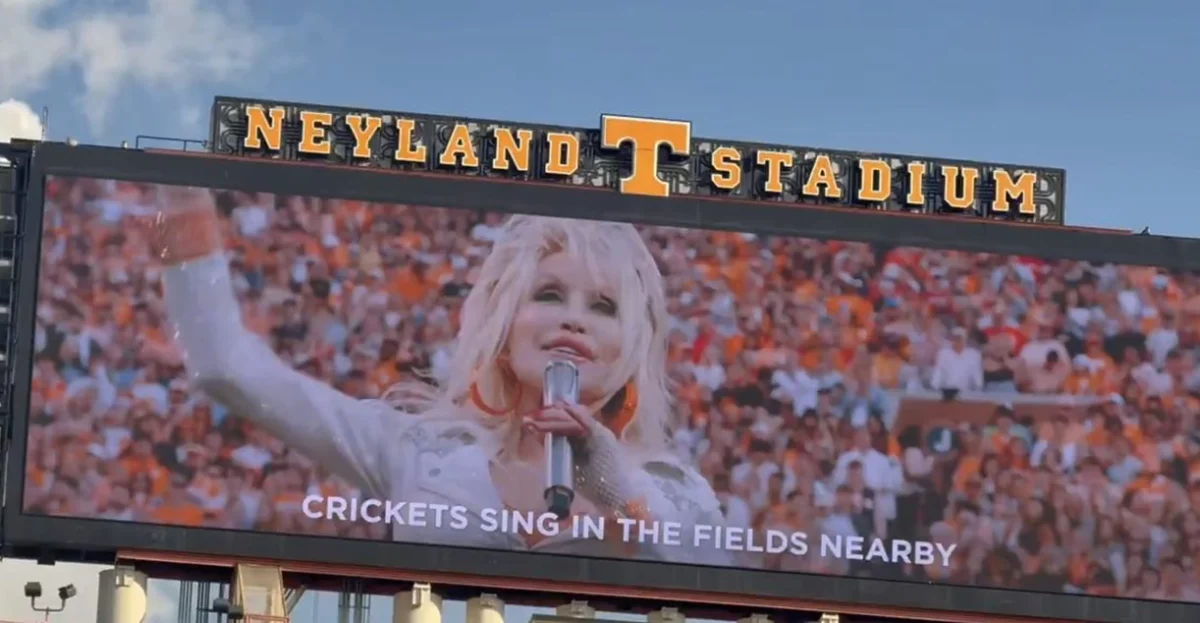
The University of Tennessee’s college football season opened with a wave of emotional and cultural tributes dedicated to the late music icon Dolly Parton, who passed away on August 25 at the age of 80 following a battle with cancer. As a proud daughter of East Tennessee whose philanthropic and artistic contributions cemented her legendary status worldwide, Parton’s legacy became central to the fan experience at Neyland Stadium. Athletic department officials, players, and more than 100,000 cheering fans mobilized to honor the East Tennessee queen through a series of carefully planned in-game presentations, visual markers, and musical interludes that briefly redefined the traditions of Tennessee Volunteers football.
However, the rapid evolution and sudden alteration of these newly established game-day elements have sparked widespread discussion among sports analysts, university officials, and the fanbase alike. What began as a permanent-seeming homage to one of country music’s most revered figures has encountered unexpected scheduling and programming adjustments just weeks into the autumn schedule.
The Genesis of the Tribute: Redefining Neyland Stadium Traditions
At the dawn of the 2026 college football season, university leadership initiated a profound shift in the game-day soundtrack at Neyland Stadium. For years, the fourth-quarter transition song for the Volunteers had been country star Morgan Wallen’s hit track "The Way I Talk." Seeking a deeper, more historically rooted connection to the region following Parton’s passing, the university elected to replace Wallen’s song with Parton’s 1973 classic, "My Tennessee Mountain Home."
The title track from her seminal conceptual album, "My Tennessee Mountain Home" carries deep personal resonance. The original album cover prominently features the one-room cabin in Sevier County where Parton was raised among the Smoky Mountains. For the University of Tennessee, integrating the song into the critical fourth-quarter window offered a nostalgic, down-home sentiment that transcended typical sports entertainment, providing fans with a unifying moment of reflection and regional pride.
The debut of the new anthem during the season opener drew immediate, powerful reactions from attendees. Video footage captured by sports journalists and broadcast crews showed thousands of fans swaying and singing along inside the stadium, with many describing the atmosphere as deeply moving.
Comprehensive Visual and Interactive Commemorations
Beyond the fourth-quarter musical shift, the athletic department integrated Parton’s memory into several visual aspects of the team’s presentation. Most notably, the Tennessee Volunteers football team adopted a commemorative helmet sticker worn by every player for each game of the 2026 season.
The design featured a vibrant orange butterfly—a nod to Parton’s enduring aesthetic motifs—with her name displayed prominently across the center. Alongside the physical decals, the university released a cinematic promotional hype video prior to the home opener. The production combined sweeping cinematic shots of rural East Tennessee farmlands and mountain vistas with footage of fans preparing for game day inside Neyland Stadium, underscored by the gentle acoustic melodies of "My Tennessee Mountain Home."
To further engage the capacity crowd of over 102,000 spectators, the stadium introduced the "Dolly Karaoke Cam." During a break in the action, the stadium’s massive video boards featured lyrics to Parton’s timeless ballad "I Will Always Love You," prompting a massive stadium-wide sing-along that reverberated through Knoxville. These multi-layered tributes demonstrated a concerted institutional effort to weave Parton’s cultural footprint into the fabric of Volunteer athletics.
Chronology of Events and Sudden Adjustments
The timeline of Parton’s integration into the 2026 season highlights a swift implementation followed by unexpected programmatic silence:
- August 25, 2026: Legendary singer-songwriter Dolly Parton passes away at the age of 80 after battling cancer, prompting an outpouring of grief and tributes across Tennessee and the global music community.
- Late August 2026: The University of Tennessee announces comprehensive tributes, including the replacement of the fourth-quarter song, player helmet stickers, and the introduction of the "Dolly Karaoke Cam."
- Early September 2026: During the season’s first home game, "My Tennessee Mountain Home" makes its debut as the official fourth-quarter anthem, receiving widespread acclaim from fans and media outlets.
- Late September 2026: During the Volunteers’ home game against the University of Texas at Neyland Stadium, the fourth-quarter musical selection is notably absent. Instead, the Pride of the Southland marching band performs the traditional school fight song, "Rocky Top."
- Early October 2026: As Tennessee prepares to host Auburn on October 3, athletic department officials decline to comment on the omission of Parton’s song, leaving the long-term status of the tribute uncertain.
Official Responses and Institutional Silence
The absence of "My Tennessee Mountain Home" during the fourth quarter of the high-profile matchup against Texas did not go unnoticed by sports journalists or spectators. According to reports from Knox News, university athletic representatives declined to provide an official statement explaining why the song was omitted from the stadium’s audio rotation. Furthermore, officials have not clarified whether the omission was a permanent policy change, a one-game programming decision, or part of a rotating audio schedule.
The lack of official clarification has generated considerable speculation among college football commentators. While some analysts suggest the university may permanently revert to Morgan Wallen’s "The Way I Talk" or adopt a rotating playlist of regional artists, others argue that abandoning the Parton tribute so soon after its emotional introduction risks alienating fans who viewed the gesture as a fitting seasonal memorial.
Broader Implications for College Sports Traditions
The situation at Neyland Stadium underscores the delicate balance major collegiate athletic programs must maintain when altering long-standing traditions. Stadium audio and visual presentation are vital components of modern sports entertainment, capable of driving team morale, shaping fan engagement, and reflecting the broader cultural identity of a university’s home region.
For decades, college football traditions have evolved slowly, anchored by regional fight songs and localized anthems. The introduction—and subsequent questioning—of the Dolly Parton tributes at Tennessee illustrates how contemporary athletic departments attempt to honor cultural icons while navigating the commercial and entertainment pressures of Division I athletics.
As the Tennessee Volunteers prepare to host Auburn at Neyland Stadium, all eyes will be on the stadium’s fourth-quarter audio system. Whether the university chooses to reinstate "My Tennessee Mountain Home," return to previous musical selections, or chart a new course entirely, the decision will signal how the institution intends to balance the preservation of its modern game-day atmosphere with the lasting memory of East Tennessee’s most celebrated cultural ambassador.