Nayara Elvina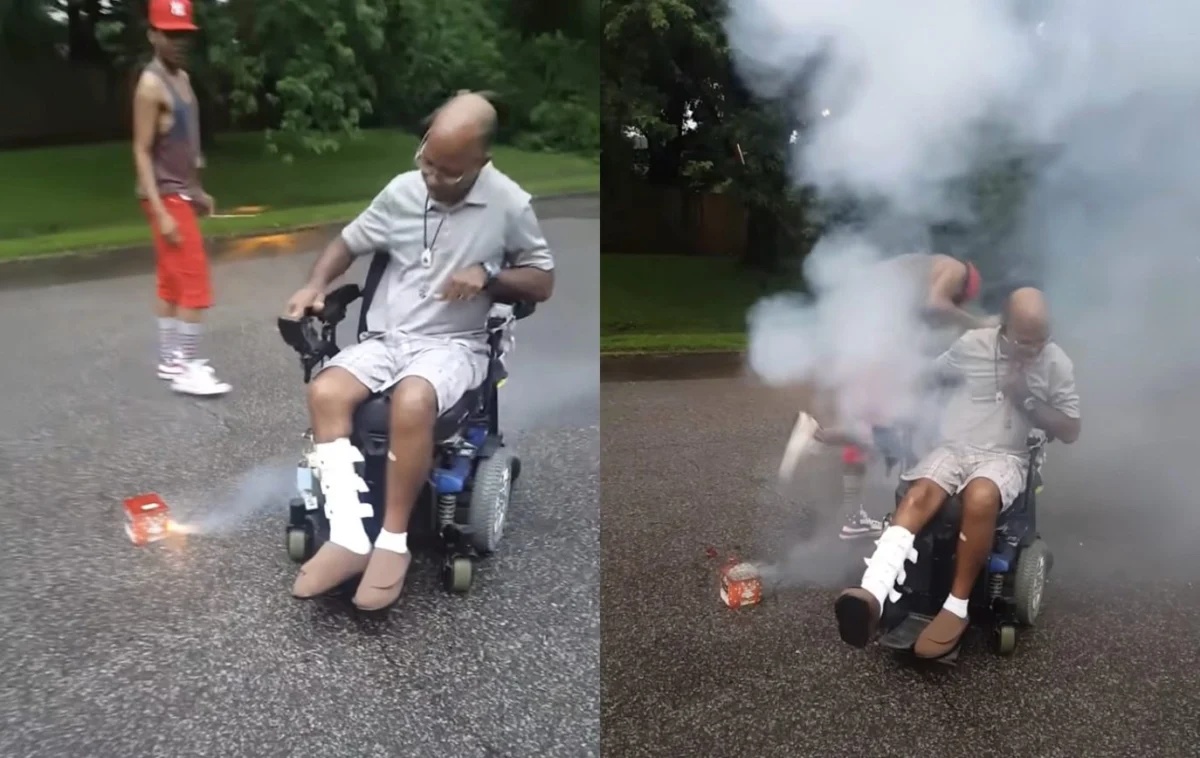
The United States of America marks its 250th anniversary on July 4, 2026, a milestone known as the Semiquincentennial that serves as a focal point for national reflection, celebration, and the evolution of cultural symbols. While traditional observances such as civic parades, historical reenactments, and large-scale pyrotechnic displays remain central to the festivities, the digital age has introduced a new tier of cultural icons that have become inextricably linked with the holiday. Among the most prominent of these modern symbols is Terry Davis, better known globally as the subject of the viral "Put It In Reverse Terry" video. What began as a localized incident involving consumer fireworks in 2017 has, nearly a decade later, transitioned into a recognized, albeit unofficial, mascot of the American Independence Day experience.
The Genesis and Viral Trajectory of a Modern Holiday Icon
The video that would eventually define a segment of American digital folklore was recorded in Memphis, Tennessee, during the Independence Day period of 2017. The footage depicts Terry Davis, a man using a motorized wheelchair, attempting to navigate away from a lit firework display on a residential street. As the pyrotechnics begin to ignite, an off-camera narrator—later identified as Davis’s cousin—repeatedly and frantically urges him to "put it in reverse" to avoid the sparks and smoke. Due to a mechanical failure or a momentary lapse in the wheelchair’s operation, Davis remained in close proximity to the discharge, resulting in a chaotic and visually striking scene that resonated with millions of viewers.
The video’s initial surge on platforms like YouTube and Twitter (now X) was driven by its unique blend of tension, humor, and the relatable nature of neighborhood fireworks celebrations. By 2026, the footage has achieved a "classic" status, reappearing annually as a seasonal harbinger of the July 4th holiday. Cultural analysts suggest that the video’s longevity is due to its authenticity; it captures an unvarnished, grassroots American experience that contrasts with the highly choreographed nature of professional firework shows and official government ceremonies.
Statistical Context: The Consumer Fireworks Industry and Public Safety
The "Put It In Reverse Terry" phenomenon highlights a broader trend in American culture: the massive scale of consumer firework usage. According to data from the American Pyrotechnics Association (APA), the consumer fireworks industry has seen unprecedented growth over the last decade. In 2023, the industry reported revenues exceeding $2.3 billion, a significant increase from the $1 billion reported in 2019. By the 2026 Semiquincentennial, these figures are projected to reach record highs as citizens across all 50 states participate in the 250th-anniversary celebrations.
However, the prevalence of these explosives brings significant safety concerns. The Consumer Product Safety Commission (CPSC) annual report consistently indicates a spike in emergency room visits during the two weeks surrounding July 4th. In 2024, the CPSC reported approximately 10,200 firework-related injuries treated in U.S. hospital emergency departments. The most common injuries involve the hands and fingers (29%), followed by the head, face, and ears (19%). The Davis video, while viewed through a lens of humor, serves as a vivid illustration of the risks associated with consumer-grade pyrotechnics, particularly when operated in close quarters or by individuals with limited mobility.
Comparative Traditions: Competitive Eating and the Search for a Mascot
As the United States searches for symbols that encapsulate the spirit of the 4th of July, few events rival the Nathan’s Famous International Hot Dog Eating Contest in Coney Island, New York. Since its inception, the contest has become a staple of holiday television programming. The dominance of Joey "Jaws" Chestnut, who has secured 16 titles as of 2024 and continues to be a central figure in the 2026 festivities, provides a different kind of holiday mascot—one centered on athletic endurance and the American penchant for excess.
While Chestnut represents the competitive and commercial side of the holiday, the "Terry" phenomenon represents the communal and unpredictable nature of domestic celebrations. Holiday mascots traditionally serve to personify the themes of a celebration: Santa Claus embodies the spirit of giving at Christmas, while the Easter Bunny represents renewal. In the context of Independence Day, a holiday defined by the rejection of authority and the celebration of individual liberty, the figure of a citizen stubbornly—or perhaps accidentally—facing down a barrage of fireworks offers a contemporary, if unconventional, archetype.
Philanthropic Outcomes and Public Reaction
The impact of the "Put It In Reverse Terry" video extended beyond mere internet fame. Following the viral success of the footage, the public responded with a significant outpouring of support for Terry Davis. A GoFundMe campaign was established to assist Davis, who had been using an aging and occasionally malfunctioning wheelchair and lacked accessible transportation.
The campaign successfully raised over $60,000, which was utilized to purchase a new, state-of-the-art motorized wheelchair and a custom-fitted van equipped with a wheelchair lift. This real-world outcome added a layer of sentimentality to the meme, transforming Davis from a figure of amusement into a recipient of national communal support. In interviews following his rise to fame, Davis and his family expressed surprise at the global reach of the video, noting that the "Put It In Reverse" catchphrase had become a part of the American lexicon, often used to describe situations where a quick retreat is necessary but unavailable.
The Semiquincentennial and the Future of American Folklore
The 250th anniversary of the United States is being overseen by the U.S. Semiquincentennial Commission, also known as America250. The commission’s mandate is to facilitate commemorations that are "inclusive and represent the diverse history of the nation." While the commission focuses on the Declaration of Independence and the Founding Fathers, the organic emergence of figures like Terry Davis indicates that American folklore is increasingly being written in the digital space.
Sociologists argue that in a fragmented media landscape, viral videos provide a "shared cultural campfire." The annual re-sharing of the Davis video creates a sense of continuity and shared experience across different demographics. It reflects a specific American aesthetic: the mid-summer heat, the residential asphalt, the "pop-up" firework tents in vacant lots, and the improvisational nature of local festivities.
Analysis of Implications: Tradition in the Digital Age
The elevation of a viral video subject to the status of an "unofficial mascot" reflects a shift in how national identity is constructed. In the 18th and 19th centuries, symbols like Uncle Sam or Lady Liberty were used to personify the state. In the 21st century, the public increasingly identifies with "relatable" individuals who find themselves in extraordinary or humorous circumstances.
From a journalistic perspective, the "Put It In Reverse Terry" saga illustrates the power of the internet to preserve a moment in time and convert it into a recurring cultural event. As the U.S. moves past its 250th year, the integration of digital artifacts into historical celebrations is likely to increase. The video also serves as a persistent reminder of the need for accessibility and safety in public and private celebrations, ensuring that all citizens, regardless of mobility, can participate in the nation’s birthday safely.
Conclusion
As America celebrates its Semiquincentennial, the landscape of Independence Day is a blend of the ancient and the modern. The echoes of the Liberty Bell coexist with the digital pings of viral videos. Terry Davis, through a singular moment of neighborhood chaos, has captured a specific brand of American resilience and spontaneity. Whether through the lens of firework safety, the growth of the pyrotechnics industry, or the philanthropic power of social media, the story of "Put It In Reverse Terry" remains a significant chapter in the contemporary history of the 4th of July. As long as fireworks are lit on the hot July asphalt, the call to "put it in reverse" will likely remain a staple of the American summer experience, reminding a nation of 340 million people that sometimes, the most enduring traditions are the ones that were never planned.