 Nayara Elvina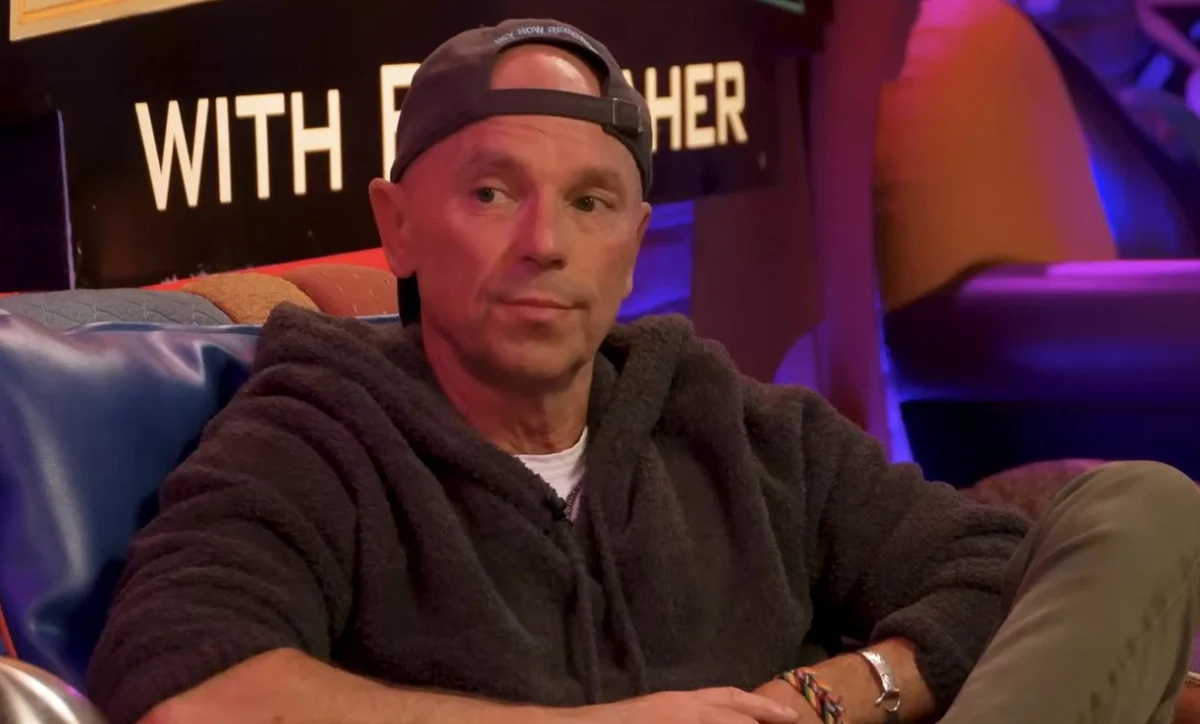
The live music industry, currently navigating a complex landscape of monopolistic scrutiny, evolving fan behavior, and shifting professional standards, has come under fire from one of its most seasoned veterans. During a recent appearance on the Club Random podcast hosted by Bill Maher, Country Music Hall of Fame inductee Kenny Chesney expressed significant concern regarding the increasing frequency of last-minute concert cancellations by modern artists. Chesney’s remarks highlight a growing divide between the traditional "show business" work ethic, forged in the club and casino circuits of the late 20th century, and the modern era of rapid, social media-driven stardom. This critique comes at a time when the live entertainment sector faces unprecedented challenges, ranging from federal antitrust lawsuits against major ticket distributors to a documented decline in audience etiquette.
The Professional Standard of the Show Business Era
During his conversation with Maher, Chesney emphasized that the concept of canceling a performance for anything other than severe physical illness was virtually non-existent during his developmental years. He noted that the "day-to-day grind" of his early career—playing in small venues, bars, and casinos—instilled a sense of gratitude and a commitment to the audience that he believes is becoming increasingly rare among the newer generation of performers. Chesney specifically addressed the trend of artists canceling shows while fans are already inside the venue, often citing mental health or lack of "fitness" to perform as justifications.
"I know people that cancelled shows before they went on. People were already there, and they just said, ‘I’m not going on,’" Chesney told Maher. He argued that the traditional path to success required a level of resilience that modern artists, who often find fame overnight through platforms like TikTok, may not have had the opportunity to develop. The implication is that the "work" was not just a means to an end, but a vital part of the professional tempering process. Maher, a veteran of the stand-up comedy circuit for over 40 years, echoed these sentiments, noting that voluntary cancellations were not an option in his professional trajectory.
High-Profile Cancellations and the Trend of Unreliability
Chesney’s comments appear to be a direct response to a series of high-profile incidents within the country music genre over the past year. These events have sparked intense debate among fans and industry analysts regarding the accountability of artists to their paying audiences.
One of the most prominent examples occurred in May 2024 involving rising star Bailey Zimmerman. On May 27, Zimmerman canceled a scheduled performance in New Mexico, initially citing a sudden illness. However, subsequent reports and legal filings revealed a different narrative. Zimmerman was allegedly too intoxicated to perform and was accused of causing more than $16,000 in damages to his hotel room. Although he was initially charged with a felony on the following Monday, those charges were eventually dropped. This incident served as a catalyst for industry-wide discussions regarding the lack of transparency when artists fail to fulfill their contractual and professional obligations to fans who often travel long distances and spend significant sums on tickets and lodging.
Similarly, Morgan Wallen, currently one of the most successful artists in the genre, faced significant backlash for canceling a performance in Pittsburgh earlier this year. While the official reason provided was the threat of severe weather, including potential tornadoes in the Pennsylvania area, the cancellation was met with public criticism from local officials. Pittsburgh Mayor Ed Gainey’s office claimed that Wallen’s team did not consult with the city or stadium management before making the unilateral decision to cancel, leading to logistical chaos for the thousands of fans already in the city.
The Intersection of Industry Monopolies and Fan Frustration
The frustration voiced by veterans like Chesney is amplified by the broader economic climate of the live music industry. Currently, the Department of Justice (DOJ) is engaged in a landmark antitrust lawsuit against Live Nation and its subsidiary, Ticketmaster. The DOJ alleges that the company maintains an illegal monopoly over the live entertainment industry, leading to inflated ticket prices and predatory "dynamic pricing" models.
When fans pay record-high prices for tickets—often exacerbated by the presence of automated bots and third-party scalpers—the impact of a last-minute cancellation is felt more acutely. Industry data suggests that the average cost of a concert ticket has risen by over 20% in the last two years alone. For many consumers, a concert is no longer a casual outing but a significant financial investment. When an artist cancels a show for reasons deemed "menial" or due to preventable personal conduct, it exacerbates the existing resentment toward an industry already viewed as exploitative.
A Chronology of Declining Fan Behavior and On-Stage Incidents
The scrutiny of the industry is not limited to the artists and promoters; the behavior of the audience has also come under fire in what many describe as a "post-COVID" decline in social etiquette. The past 24 months have seen a disturbing rise in fans throwing objects at performers, leading to physical injuries and disrupted sets.
- Sam Canty (Treaty Oak Revival): The frontman was left with a visible gash under his eye after being struck by a beer can during a performance.
- Riley Green: The singer required stitches after a fan hurled a mobile phone at him during a concert in Australia.
- Megan Moroney: In September 2024, Moroney was forced to pause her set and have a fan removed after he threw a hat at her, an incident she later described as "scary."
- Morgan Wallen: In 2023, Wallen was physically grabbed by a fan during a "walk-out" sequence, highlighting security vulnerabilities even for top-tier stars.
This cycle of mutual disrespect—where fans act out and artists cancel unexpectedly—has created a volatile environment for live touring. Analysts suggest that the lack of traditional "gatekeeping" in the industry has contributed to this. In the past, the slow ascent from small clubs to arenas allowed both artists and their fanbases to grow together, establishing a set of unwritten rules regarding conduct and professional expectations.
The TikTok Effect and the Loss of Resilience
A core component of Chesney’s critique is the role of social media in bypassing the traditional "grind." The "TikTok-to-Stadium" pipeline allows artists to achieve global stardom with only a handful of songs and minimal stage experience. While this democratization of music has allowed for more diverse voices to be heard, it has also removed the "tempering" phase of a career.
Industry experts point out that playing "dumpy bars" and small casinos, as Chesney did, serves as a form of professional training. It teaches performers how to manage their voices, how to handle difficult crowds, and how to maintain a tour schedule while dealing with minor illnesses or personal setbacks. Without this foundation, the physical and mental demands of a major stadium tour can become overwhelming, leading to the "mental unfitness" cancellations that Chesney noted.
Broader Implications for the Future of Live Entertainment
The comments made by Kenny Chesney serve as a bellwether for a potential shift in the industry. As ticket prices continue to climb and the legal battle against Ticketmaster unfolds, the tolerance for artist unreliability is likely to diminish. Insurance companies providing tour coverage are also reportedly looking closer at "discretionary" cancellations, which could eventually lead to higher premiums or more stringent requirements for artists to prove medical necessity before a show is scrapped.
Furthermore, the "gratitude" mentioned by Chesney is increasingly being viewed as a vital business asset. In an era where music is easily accessible via streaming, the live experience is the primary revenue driver for most artists. Maintaining a reputation for reliability is essential for long-term career sustainability.
Ultimately, the current state of live music represents a clash between the "old guard" values of professional obligation and a modern "new guard" that prioritizes individual wellness and rapid growth, sometimes at the expense of the audience. Chesney’s stance is a reminder that while the technology and the business models of music may change, the fundamental contract between the performer and the fan remains rooted in the expectation that the show must, indeed, go on. As the industry moves forward, the challenge will be to balance the genuine need for artist mental health support with the professional discipline required to sustain the trust of the ticket-buying public.