 Aveline Kirana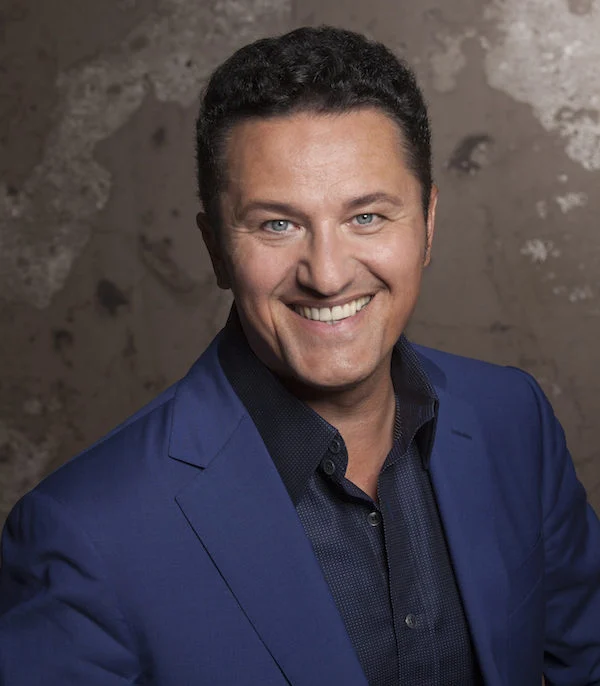
Renowned Polish tenor Piotr Beczała has been forced to withdraw from two highly anticipated performances, casting a shadow over the summer opera season. The cancellations, announced via his social media channels, include a performance of Gounod’s Faust at the Bayerische Staatsoper on July 24 and a concert appearance at the prestigious Bayreuth Festival on July 25. The tenor cited a severe laryngeal infection, exacerbated by a pre-existing cold, as the reason for his inability to perform. This unfortunate development necessitates significant adjustments for both opera houses, with replacements already confirmed.
A Difficult Decision: Laryngeal Infection Derails Performances
In a candid statement shared with his followers, Beczała expressed his profound regret. "Dear friends, I am very sorry to announce that tomorrow’s performance of Faust at the Bayerische Staatsoper as well as the concert at the Bayreuth Festival will take place without me," he wrote. He elaborated on the progression of his illness, explaining, "During my final performances in Madrid I was already battling a cold and despite antibiotic treatment, the infection has now reached my larynx, making it impossible for me to take the stage tomorrow." The tenor emphasized his dedication to his craft and his audience, concluding his statement with a commitment to recovery: "I am now focusing all my energy on recovery, so that I can return to full strength and be with you again at the next Faust performance. Thank you for your understanding and support."
This announcement comes at a critical juncture for both institutions. The Bayerische Staatsoper was scheduled to present Gounod’s Faust, a production that often garners significant attention. Similarly, the Bayreuth Festival, a cornerstone of the operatic calendar and a pilgrimage site for Wagner enthusiasts, had programmed a special concert featuring Beczała, a highly sought-after artist. The sudden withdrawal of a leading tenor of Beczała’s caliber inevitably creates logistical challenges and potential disappointment for ticket holders who had eagerly anticipated his performances.
Immediate Replacements and Chronology of Events
The swiftness with which the opera houses have responded underscores the professional protocols in place for such unforeseen circumstances. At the Bayerische Staatsoper, the title role of Faust on July 24 will now be sung by Long Long. This change marks a significant opportunity for the tenor to step into a demanding role on a major international stage.
The Bayreuth Festival has announced that Klaus Florian Vogt will assume Beczała’s place on the concert program on July 25. Vogt, a celebrated interpreter of Wagnerian roles, is a familiar and welcome presence at Bayreuth, known for his distinctive vocal timbre and profound understanding of the repertoire. His stepping in ensures that the concert will proceed with a performer of considerable stature, albeit with a different artistic interpretation than originally planned.
To reconstruct the timeline leading to these cancellations:
- Recent Past: Piotr Beczała concluded a series of performances in Madrid. During these engagements, he began to experience symptoms of a cold.
- Early July: Despite initial antibiotic treatment for the cold, the infection persisted and began to affect his vocal cords.
- July 23: Beczała made the difficult decision to withdraw from his upcoming performances.
- July 24: The performance of Faust at the Bayerische Staatsoper proceeds with Long Long in the title role.
- July 25: The Bayreuth Festival concert proceeds with Klaus Florian Vogt taking the stage as scheduled.
This chronology highlights the rapid deterioration of Beczała’s condition and the immediate, decisive actions taken by the affected opera houses to mitigate the impact of his absence.
Background Context: The Demands of a Tenor’s Career
Piotr Beczała is internationally recognized as one of the leading lyric-spinto tenors of his generation. His repertoire spans a wide range of operatic masterpieces, with particular acclaim for his portrayals in Faust, La Bohème, Madama Butterfly, and numerous roles in the Czech and Polish operatic traditions. His vocal artistry is characterized by its clarity, warmth, and exceptional vocal agility, making him a highly in-demand artist for leading opera houses and festivals worldwide.
The life of a touring opera singer is inherently demanding, involving constant travel, rigorous rehearsal schedules, and the physical strain of nightly performances. Vocal health is paramount, and even minor ailments can escalate into significant issues given the immense pressure placed upon the vocal cords. The fact that Beczała was already battling a cold during his Madrid performances indicates a precarious vocal state prior to the worsening infection. The larynx, being a complex muscular organ, is particularly susceptible to inflammation and swelling, which can severely impair a singer’s ability to produce sound.

The Bayerische Staatsoper, located in Munich, is one of the world’s leading opera houses, renowned for its extensive repertoire and its commitment to artistic excellence. Its Faust productions are often critically acclaimed, and the casting of a tenor of Beczała’s stature would have undoubtedly contributed to the anticipation surrounding this particular engagement.
The Bayreuth Festival, held annually in Bayreuth, Germany, is dedicated exclusively to the operas of Richard Wagner. While the primary focus is on Wagner’s works, the festival also includes concert performances that offer audiences a different facet of the operatic experience. Beczała’s inclusion in a concert program at Bayreuth signifies his broad appeal and his ability to connect with diverse audiences beyond the strict Wagnerian repertoire.
Supporting Data: The Impact of Cancellations
While specific financial data related to ticket sales for these particular performances is not publicly available, opera house cancellations can have tangible economic consequences. These include:
- Lost Ticket Revenue: The most immediate impact is the loss of revenue from the canceled performances. For high-profile artists like Beczała, tickets are often sold out well in advance, representing a significant portion of the performance’s earning potential.
- Ancillary Revenue: Opera houses also generate revenue from concessions, merchandise, and parking, all of which are reduced when performances are canceled.
- Reputational Impact: While unfortunate, cancellations are a reality in the performing arts. However, frequent or poorly managed cancellations can, over time, affect an institution’s reputation and public trust.
- Artist Fees: While not a direct loss for the opera house, the artist’s fee for the canceled performances is not paid, impacting the artist’s income.
The fact that replacements have been secured so quickly suggests that the opera houses had contingency plans or readily available artists on standby. This is a common practice in the industry, especially for major houses and festivals, to mitigate the disruption caused by unforeseen circumstances.
Official Responses and Industry Implications
The swift communication from Piotr Beczała and the prompt announcements from the Bayerische Staatsoper and the Bayreuth Festival reflect a high degree of professionalism and transparency.
Bayerische Staatsoper: While no direct statement from the Staatsoper has been quoted beyond the confirmation of the replacement, their swift action in naming Long Long indicates efficient internal communication and planning. The primary implication for the Staatsoper is the need to inform ticket holders and manage any potential inquiries. The presence of a replacement tenor ensures the Faust production proceeds as scheduled, maintaining the integrity of their performance calendar.
Bayreuth Festival: The Bayreuth Festival, known for its meticulous organization, also acted swiftly to announce Klaus Florian Vogt’s participation. Vogt’s established reputation at Bayreuth likely mitigates any significant loss of audience interest. The festival’s management would have focused on ensuring the concert’s artistic quality remains high, even with the change in soloist.
The broader implications for the opera industry include:
- Vocal Health Awareness: This incident serves as a stark reminder of the delicate nature of a singer’s voice and the importance of prioritizing vocal health. It underscores the challenges faced by artists in maintaining peak physical condition while adhering to demanding performance schedules.
- Importance of Understudies and Replacements: The availability of talented understudies and versatile artists like Vogt and Long Long is crucial for the survival of live opera. Their willingness and ability to step in at short notice are invaluable to the continuity of artistic programming.
- Resilience of Artistic Institutions: Despite such setbacks, the ability of major opera houses and festivals to adapt and continue their programming highlights the resilience of these institutions and their commitment to delivering artistic experiences to the public.
A Focus on Recovery and Future Engagements
Piotr Beczała’s statement clearly indicates a singular focus on his recovery. This proactive approach to healing is essential for a singer whose livelihood depends on the optimal functioning of his vocal instrument. The hope is that with dedicated rest and medical attention, he will regain his full vocal power and be able to fulfill his upcoming commitments.
Fans and colleagues alike will undoubtedly be sending their best wishes for a swift and complete recovery. The opera world eagerly anticipates his return to the stage, where his artistry continues to captivate audiences globally. The cancellations, while regrettable, are a testament to the physical realities of a demanding profession and the unwavering dedication of artists to their craft and their audiences. The swift and professional handling of these situations by all parties involved ensures that the artistic endeavors of the Bayerische Staatsoper and the Bayreuth Festival will continue to thrive.